
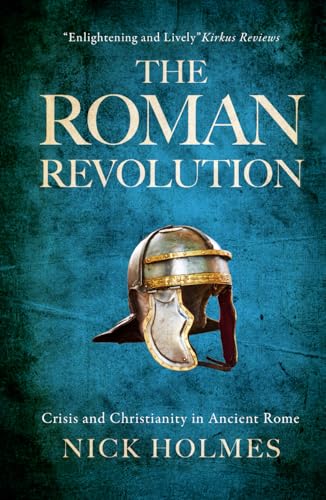
1. The Roman Revolution
The Roman Revolution examines the Crisis of the Third Century, when invasion, epidemic disease, civil war and rapid imperial turnover brought Roman government close to disintegration. Nick Holmes follows the pressure exerted by Sasanian Persia and northern peoples, the capture of Valerian, the formation of the…
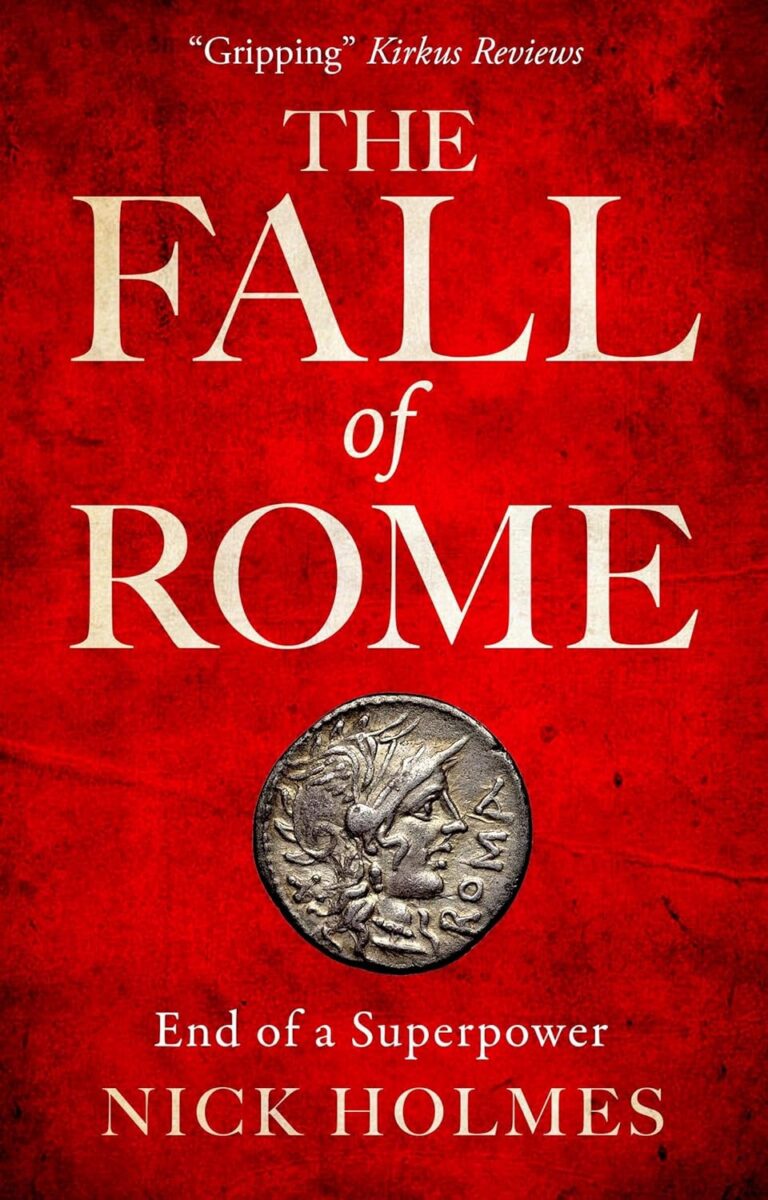
2. The Fall of Rome
The Fall of Rome begins with the fourth-century frontier system and the arrival of Gothic refugees inside the empire, treating the Roman defeat at Adrianople in 378 as a major warning rather than an isolated disaster. Holmes connects Hunnic pressure and environmental change on the Eurasian…
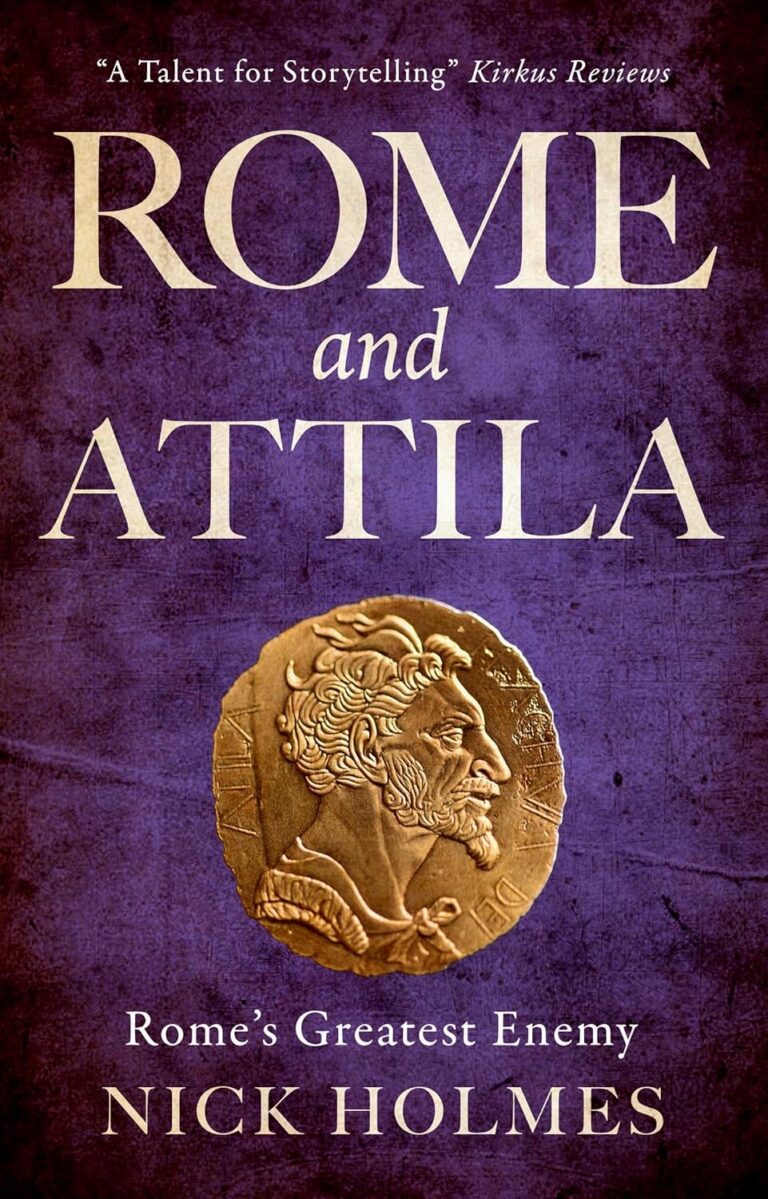
3. Rome and Attila
Rome and Attila reconstructs the rise of Attila and the Hunnic confederation during the final decades of Roman rule in the West. Holmes examines tribute, diplomacy and coercion in Attila’s dealings with Constantinople before following the Hunnic invasions of Gaul and Italy. Attila is treated as…
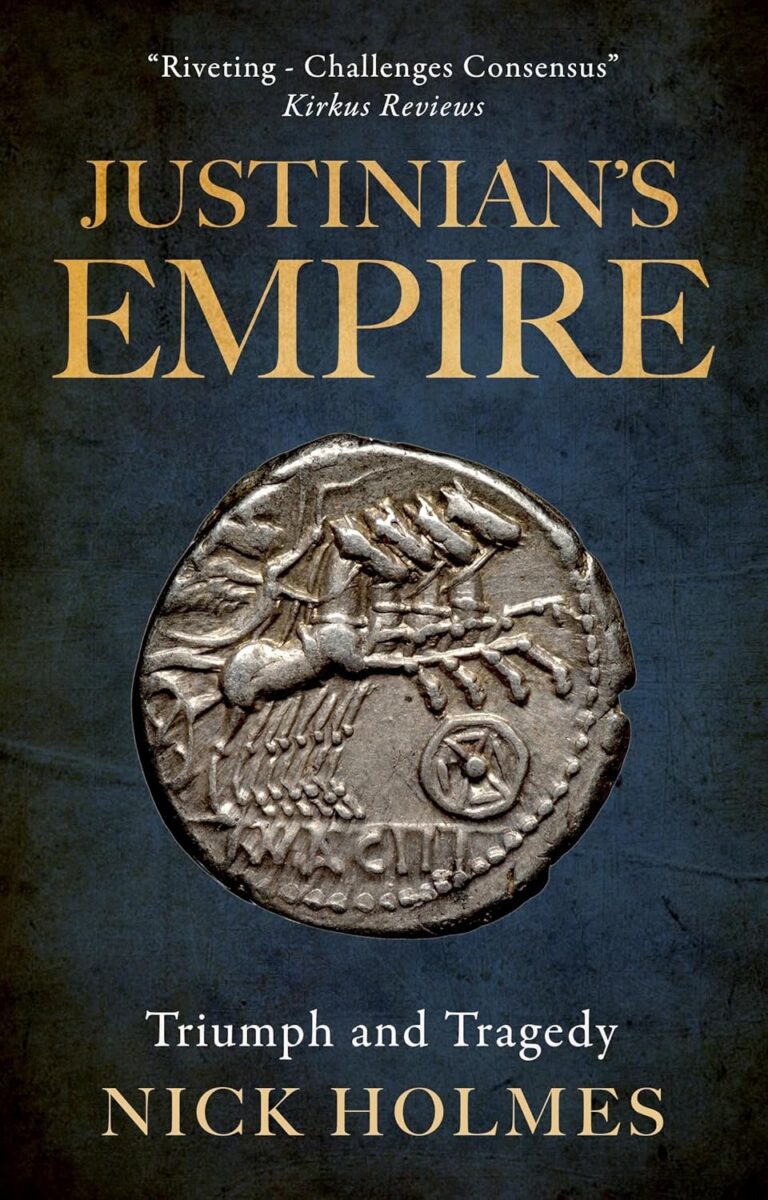
4. Justinian’s Empire
Justinian’s Empire examines the reign of Justinian I, when the eastern Roman state attempted to restore imperial authority across the Mediterranean. Holmes covers the codification of Roman law, the Nika riots, the construction of Hagia Sophia and the campaigns led by Belisarius against the Vandals in…
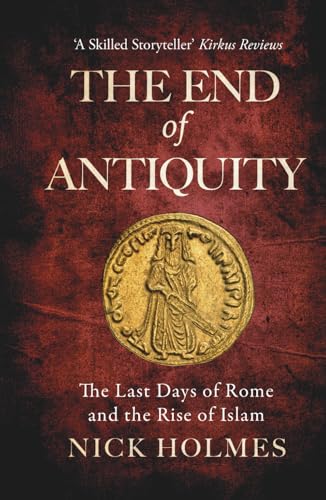
5. The End of Antiquity
The End of Antiquity examines the seventh-century struggle that exhausted the eastern Roman and Sasanian empires. Holmes follows Khosrow II’s conquests, Heraclius’s counter-offensive and the destruction caused by a war that moved repeatedly across Anatolia, the Levant, Egypt and Mesopotamia. He also considers plague, economic contraction…
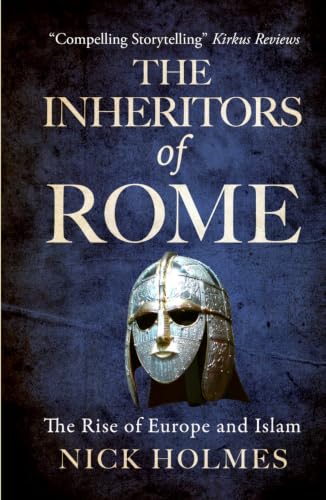
6. The Inheritors of Rome
The Inheritors of Rome concludes the series with the centuries from roughly 700 to 1000, when the former Roman world was reorganised into competing Christian and Islamic states. Holmes follows the fragmented societies of western Europe, the consolidation of Frankish power and the empire of Charlemagne,…