Belisarius was the most famous general of the emperor Justinian I and a central commander in the sixth-century attempt to restore Roman rule around the Mediterranean. Probably born in the Balkans around 500, he first gained prominence on the eastern frontier against Persia. In 532 he helped suppress the Nika revolt in Constantinople, and the following year he led the expedition that destroyed the Vandal kingdom in North Africa, capturing Carthage and bringing King Gelimer to submission.
Justinian then sent Belisarius against the Ostrogothic kingdom in Italy, where he seized Sicily, Naples and Rome and eventually entered Ravenna in 540. Recalled and redeployed several times, he later returned to Italy and also commanded against Persian forces. His relationship with Justinian was marked by both trust and suspicion, and Procopius’s works preserve sharply contrasting images of the general and his household. Later legend falsely turned Belisarius into a blinded beggar, but the historical commander remained wealthy and honoured enough to serve again shortly before his death in 565.
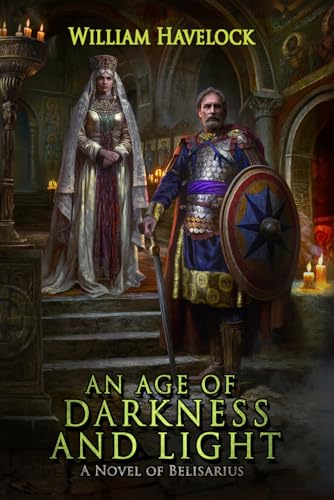
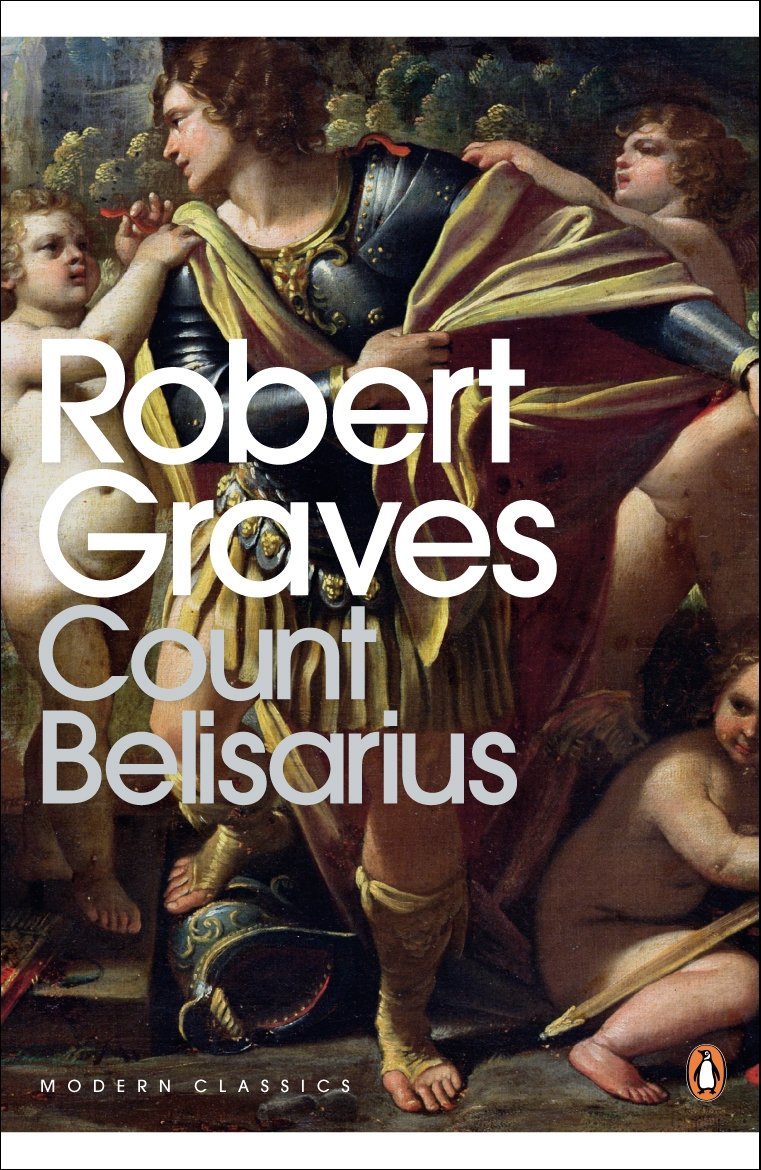
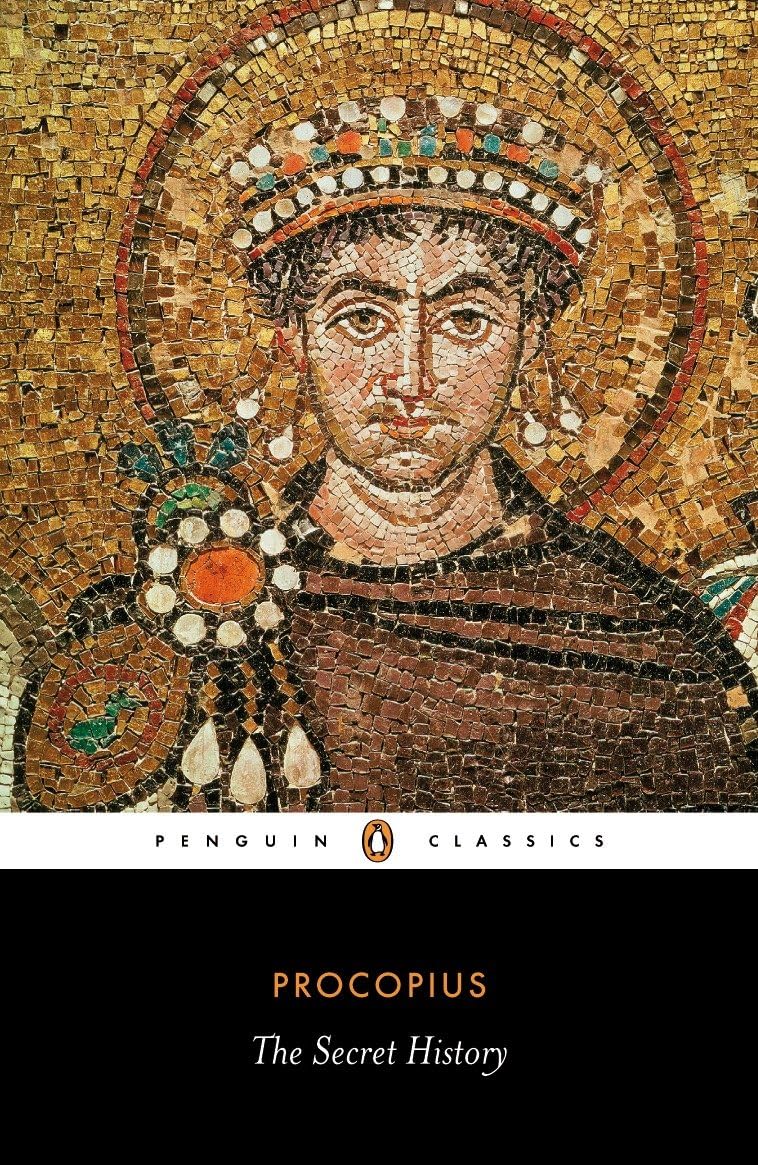
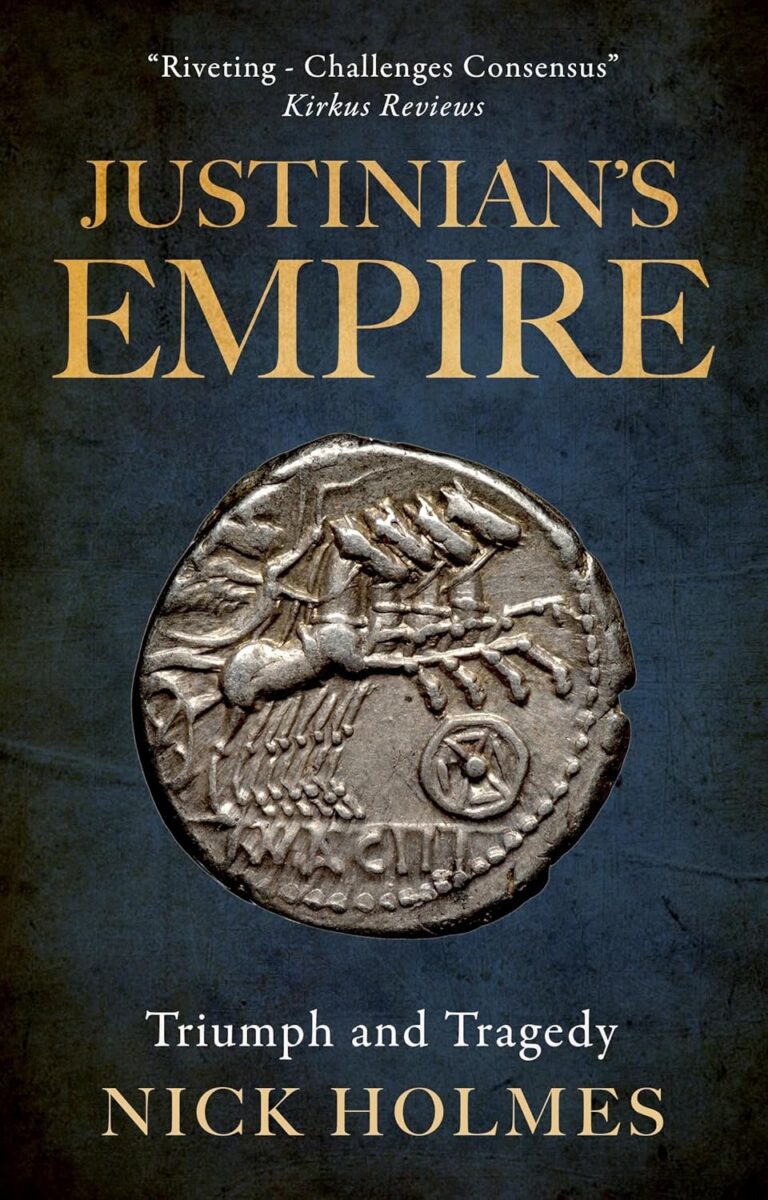
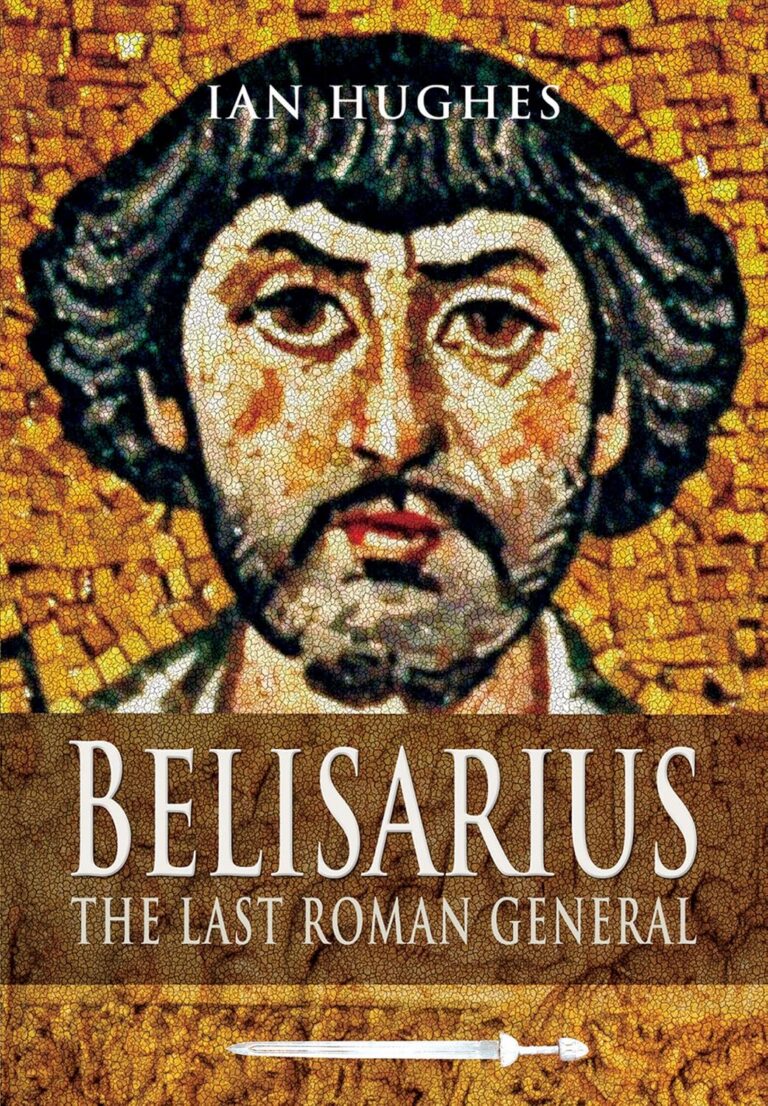
Ian Hughes’ Belisarius became the most celebrated commander of Justinian I’s reign, serving on fronts that stretched from Mesopotamia to North Africa and Italy. Nick Holmes’ Justinian’s Empire covers the codification of Roman law, the Nika riots, the construction of Hagia Sophia and the campaigns led by Belisarius against the Vandals in North Africa and the Ostrogoths in Italy. Theodora and Procopius are central to an account of court politics, propaganda and the contested reputation of the emperor. Further fictional perspectives on Belisarius can be found in William Havelock’s An Age of Darkness and Light, Robert Graves’ Count Belisarius, David Pilling’s Flame of the West, and David Donachie’s Honour. For broader historical treatment of Belisarius, see Procopius’ The Secret History.