Books
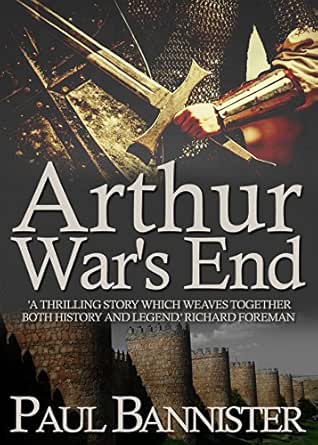
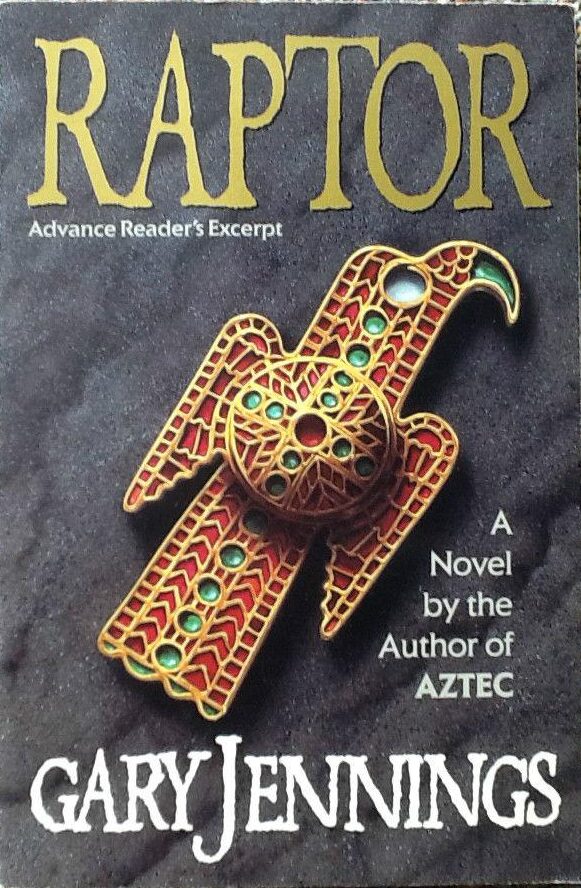
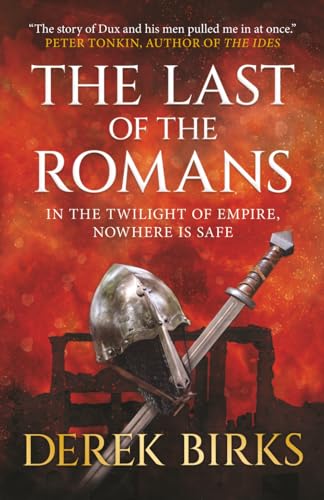
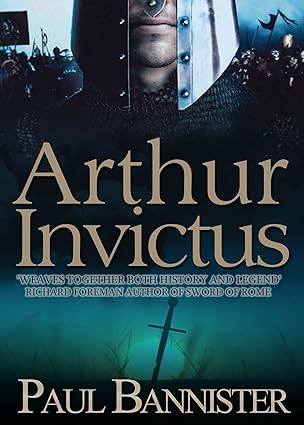
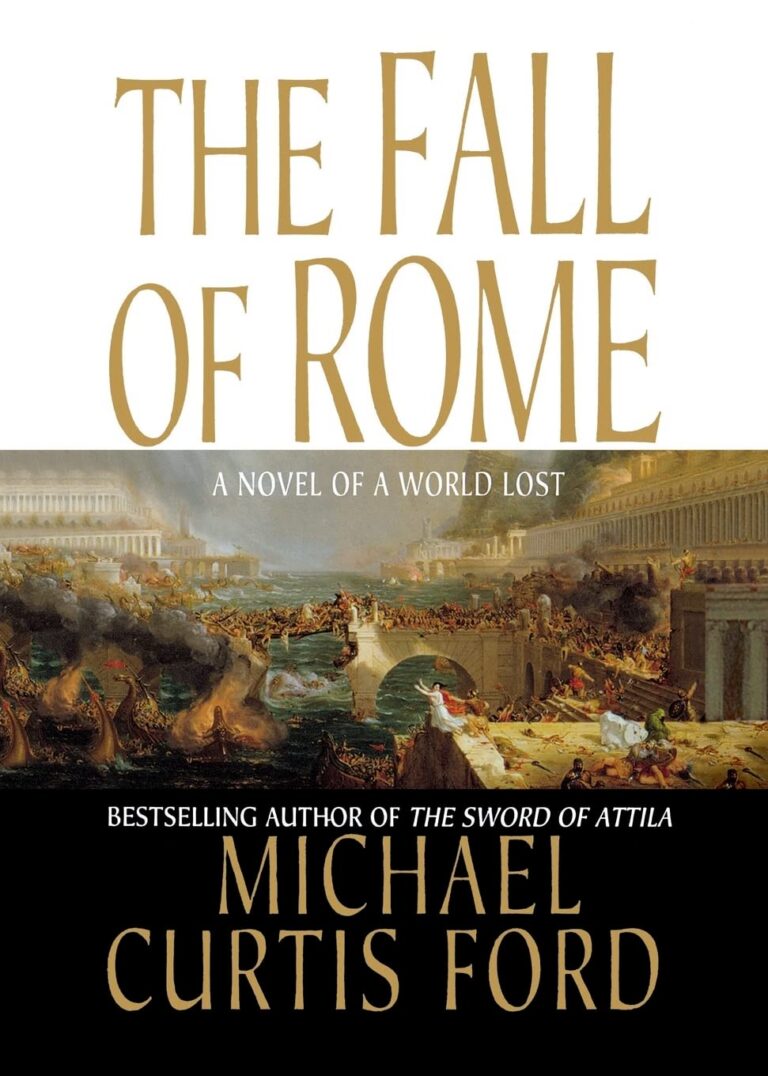
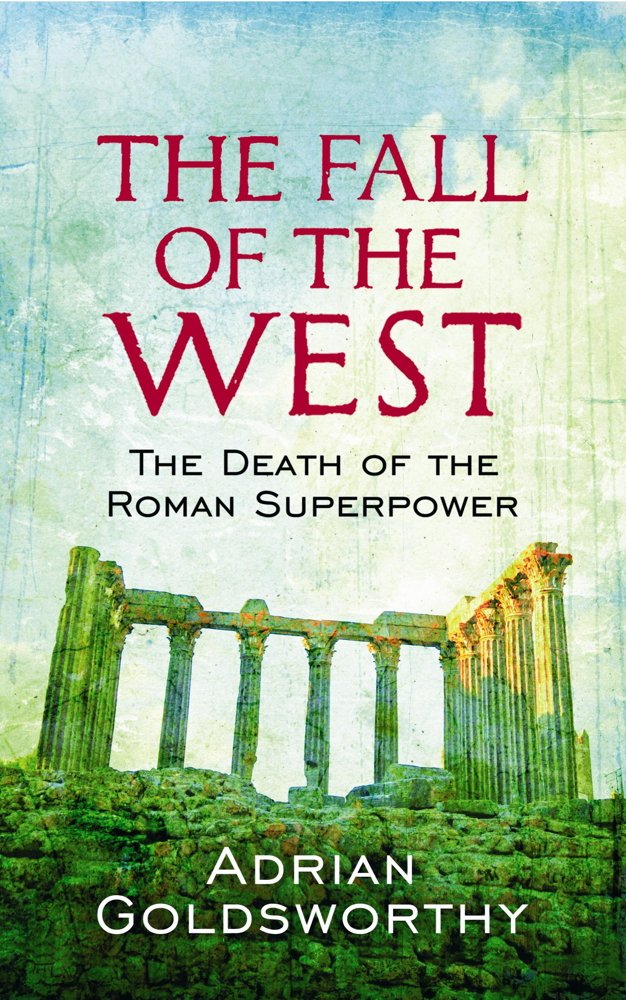

As an Amazon Associate I earn from qualifying purchases. Affiliate disclosure.
Phase
c. 395–476 CE
The Fall of the Western Roman Empire is traditionally marked in AD 476, when Romulus Augustulus was deposed by Odoacer. The date is symbolic rather than a single sudden end, since western imperial authority had already weakened through invasion, civil war, economic strain, and reliance on military strongmen. Roman power continued in the east, and many western institutions survived under new rulers.
The fall mattered because it became one of the major turning points in European historical memory. It raised questions about why states collapse, how identities survive, and what happens when imperial structures no longer protect local communities. The western empire’s end was both a political event and a long process of transformation.
The Fall of the Western Roman Empire is a broad but powerful setting for novels about endings, survival, and transformation. Wallace Breem’s Eagle in the Snow, Rosemary Sutcliff’s late Roman Britain fiction, and other late-antique novels show how the collapse can be told through soldiers, families, frontier communities, and people trying to preserve order after authority fades.
Books
Non-Fiction
Histories, biographies and reference works are listed separately from the historical novels above.