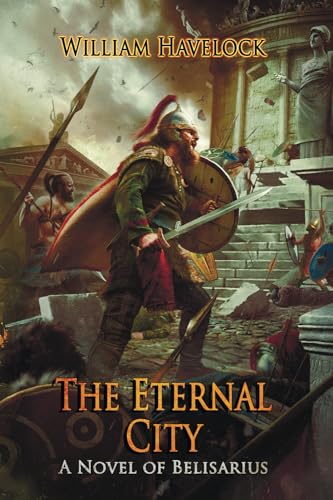
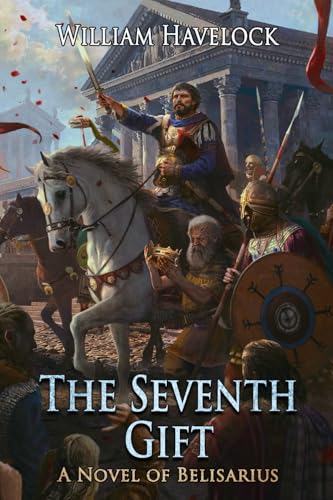
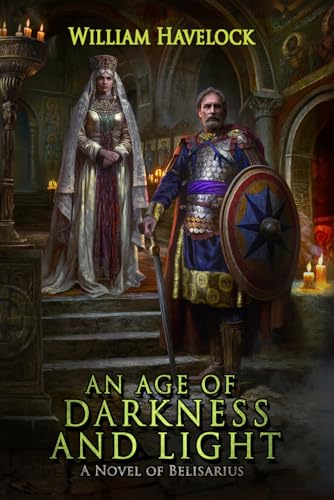
William Havelock is, at his core, a researcher‑novelist—someone driven less by the urge to invent worlds than by the desire to recover them. Before he ever drafted The Last Dying Light, he spent years immersed in the margins of history: military treatises, obscure chronicles, untranslated letters, and the scattered academic work that surrounds figures like Belisarius and Theodora. What sets him apart is his fixation on the people history remembers vaguely but never fully. He gravitates toward individuals whose reputations have been flattened—heroes turned into footnotes, villains into caricatures, and entire societies reduced to clichés. His writing grows out of a conviction that these people were far more complex, more human, and more dramatic than the simplified versions we inherit.
Havelock’s background blends academic discipline with narrative instinct. He approaches each historical figure like an engineer disassembling a machine: examining motivations, political pressures, cultural forces, and the emotional texture of their lives. That analytical bent is paired with a storyteller’s sense of pacing and atmosphere, allowing him to reconstruct not just events but the lived experience of late antiquity. His broader project, The Last of the Romans, reflects his belief that the Byzantine world—its generals, empresses, bureaucrats, and soldiers—contains some of the most astonishing true stories ever recorded. If you want to follow his work, see upcoming releases, or explore maps and artwork tied to the series, you can join his newsletter at Havelock Books.

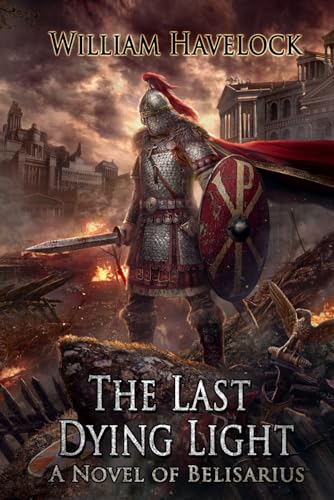
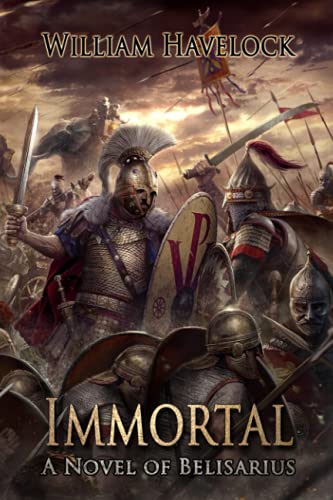
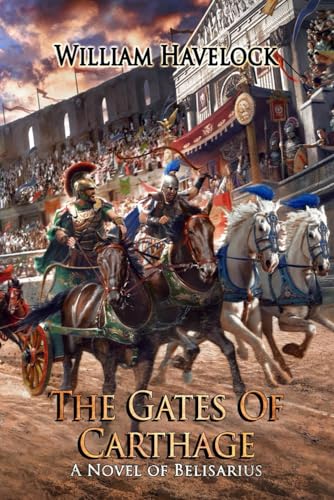
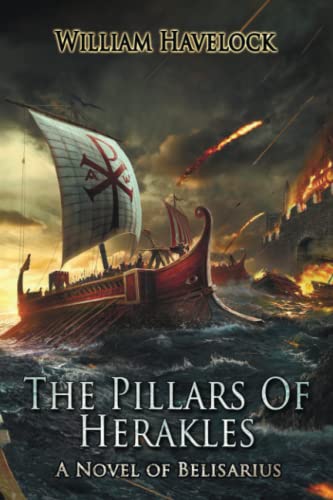
 David Pilling
41 books
David Pilling
41 books
 Robert Graves
4 books
Robert Graves
4 books
 Guy Gavriel Kay
10 books
Guy Gavriel Kay
10 books
 Cecelia Holland
20 books
Cecelia Holland
20 books
 Tim Hodkinson
12 books
Tim Hodkinson
12 books