Robert Graves is central to classic Roman historical fiction and literary retellings of ancient myth and imperial politics.
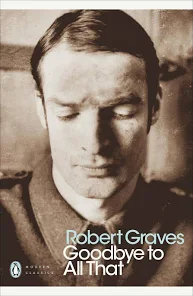
Robert Graves was born in Wimbledon in 1895. He served as an officer in the Royal Welch Fusiliers during the First World War, was severely wounded and later wrote about the experience in poems and in the memoir Good-Bye to All That. After the war he developed a wide-ranging literary career as a poet, critic, translator and novelist, eventually making his long-term home on the island of Mallorca.
Graves’s best-known historical novels are I, Claudius and Claudius the God, both published in 1934. Written as the emperor’s supposed autobiography, they transform the Julio-Claudian court into a world of surveillance, family violence and political calculation while using Claudius’s underestimated position as a powerful narrative device. Graves also wrote Count Belisarius and numerous works inspired by classical myth. His interpretations could be highly personal and controversial, especially in The White Goddess, but his command of voice and dramatic structure had a major influence on later fiction about Rome. Graves died in 1985. His Roman novels remain compelling examples of how ancient sources can be reshaped into intimate political memoir.

 William Havelock
9 books
William Havelock
9 books
 Gillian Bradshaw
20 books
Gillian Bradshaw
20 books
 Margaret George
6 books
Margaret George
6 books
 Gordon Doherty
25 books
Gordon Doherty
25 books
 M.C. Scott
11 books
M.C. Scott
11 books