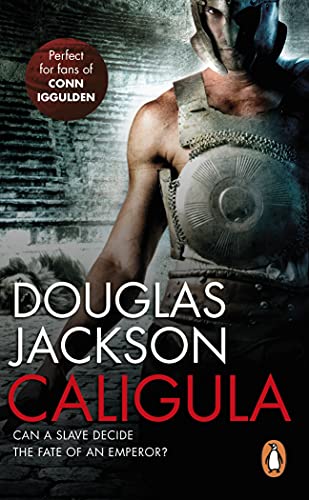
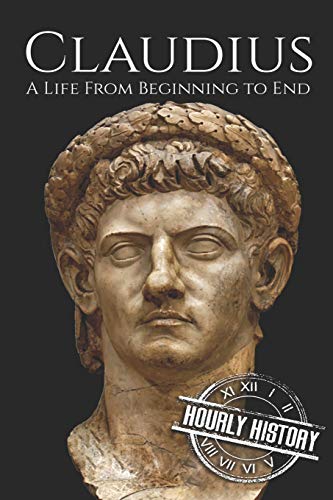
Claudius became Roman emperor unexpectedly in AD 41 after the assassination of his nephew Caligula. Although ancient writers mocked his disabilities and dependence on freedmen and wives, his reign expanded imperial administration, annexed territories and launched the conquest of Britain.
His marriages to Messalina and Agrippina ended in political crisis, and he died in AD 54, possibly poisoned, after adopting Nero ahead of his own son Britannicus. Claudius was born in Lugdunum and died in Rome.
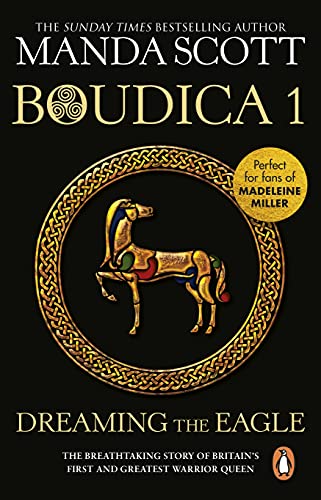
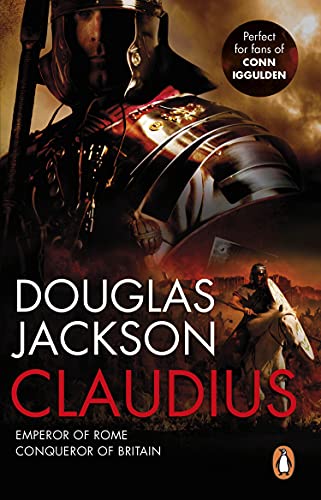
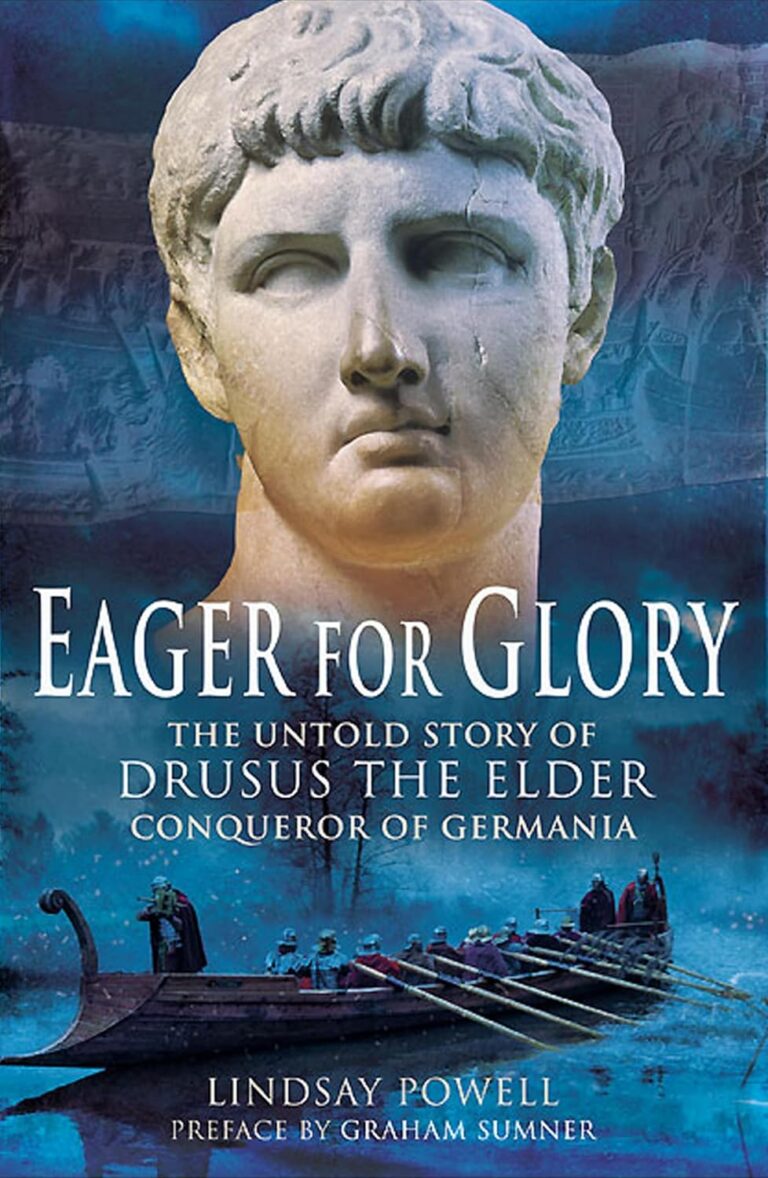
Robert Graves’s I, Claudius makes Claudius himself the narrator, presenting the underestimated and physically disabled member of the Julio-Claudian family as a survivor who watches his relatives destroy one another before unexpectedly becoming emperor. Claudius the God continues that imagined memoir into his reign, including conquest, administration and the destructive politics of Messalina and Agrippina. Douglas Jackson’s Claudius follows the emperor from Caligula’s assassination into the invasion of Britain through the eyes of Rufus, a servant of the imperial household. M. C. Scott’s Boudica: Dreaming the Eagle shows the same invasion from Britain, where Claudius’s decision to send the legions transforms tribal politics into a struggle for independence. Lindsay Powell’s Eager for Glory, a biography of Claudius’s father Drusus, traces the family and military inheritance that shaped the emperor’s place within Augustus’s dynasty.