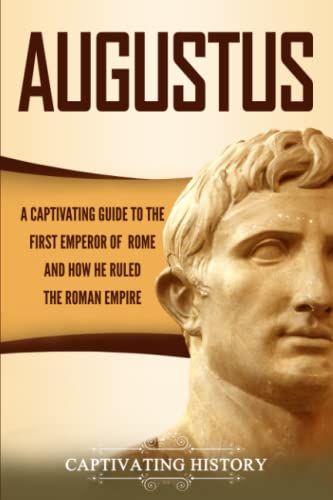
Augustus, born Gaius Octavius, was Julius Caesar’s adopted heir and the founder of the Roman principate. After defeating Caesar’s assassins and then his former ally Mark Antony and Cleopatra, he became Rome’s dominant ruler and in 27 BC received the name Augustus.
Augustus presented his regime as a restoration of republican order after decades of civil war, but real power rested on his control of the army, provinces and political patronage. He cultivated a public programme of religious renewal, monumental building and dynastic succession while carefully avoiding the title of king. The deaths and scandals within his family repeatedly frustrated his succession plans before Tiberius eventually became his heir.
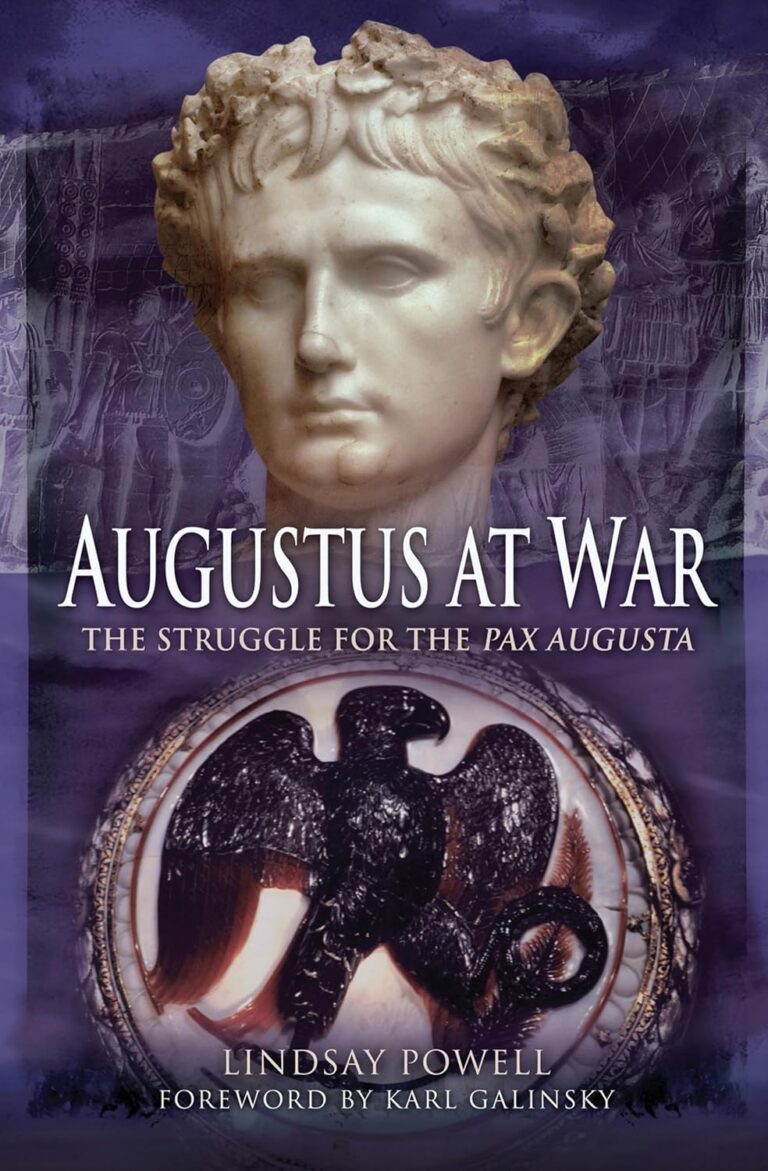
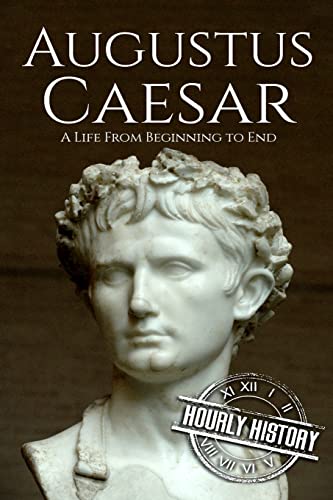
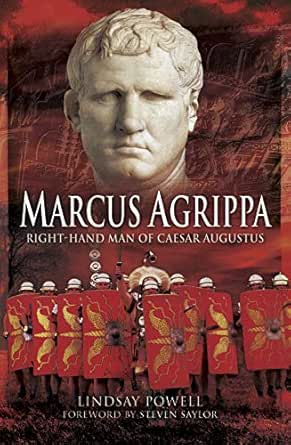
Adrian Goldsworthy’s Augustus focuses on the political skill behind his transformation into Augustus. Lindsay Powell’s Augustus at War challenges the conventional image of the first emperor’s reign as an era of effortless peace. Additional non-fiction treatment of Augustus comes from Hourly History’s Augustus Caesar, Lindsay Powell’s Eager for Glory, Mary Beard’s Emperor of Rome, Lindsay Powell’s Germanicus, and Lindsay Powell’s Marcus Agrippa.