Parthian Chronicles in Order
The Parthian Chronicles follow Pacorus, a fictional Parthian prince whose life stretches across the violent politics of the first century BCE. The opening novel places him beside Spartacus during the Third Servile War; later volumes return him to Mesopotamia, where he becomes ruler of Dura and is drawn…
All books in this series

1. The Parthian
2. Parthian Dawn

3. Parthian Vengeance
4. Carrhae
5. Companions
6. Sons of the Citadel

7. Usurper

8. The Cursed Kingdom

9. Amazon
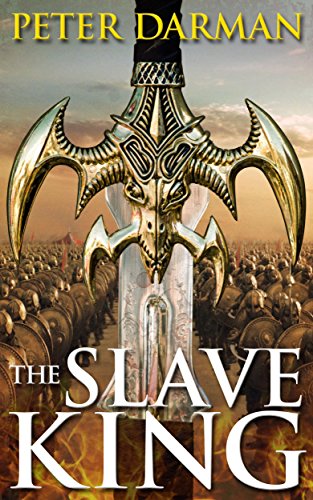
10. The Slave King

11. Lord of War

12. Wraiths

13. Sarmatian

14. Pacorus

15. Dura