Sejanus was the powerful commander of the Praetorian Guard under Tiberius. He accumulated influence while the emperor lived on Capri, removed rivals and may have aimed at succession before being suddenly arrested and executed in AD 31.
An equestrian by birth, Sejanus became sole prefect of the Praetorian Guard and concentrated its cohorts in a permanent camp at Rome, greatly increasing the office’s political weight. His power grew while Tiberius withdrew to Capri, and he reached the consulship in 31. Later that year Tiberius abruptly denounced him to the Senate; Sejanus was arrested, executed and followed by a wider purge of his associates.
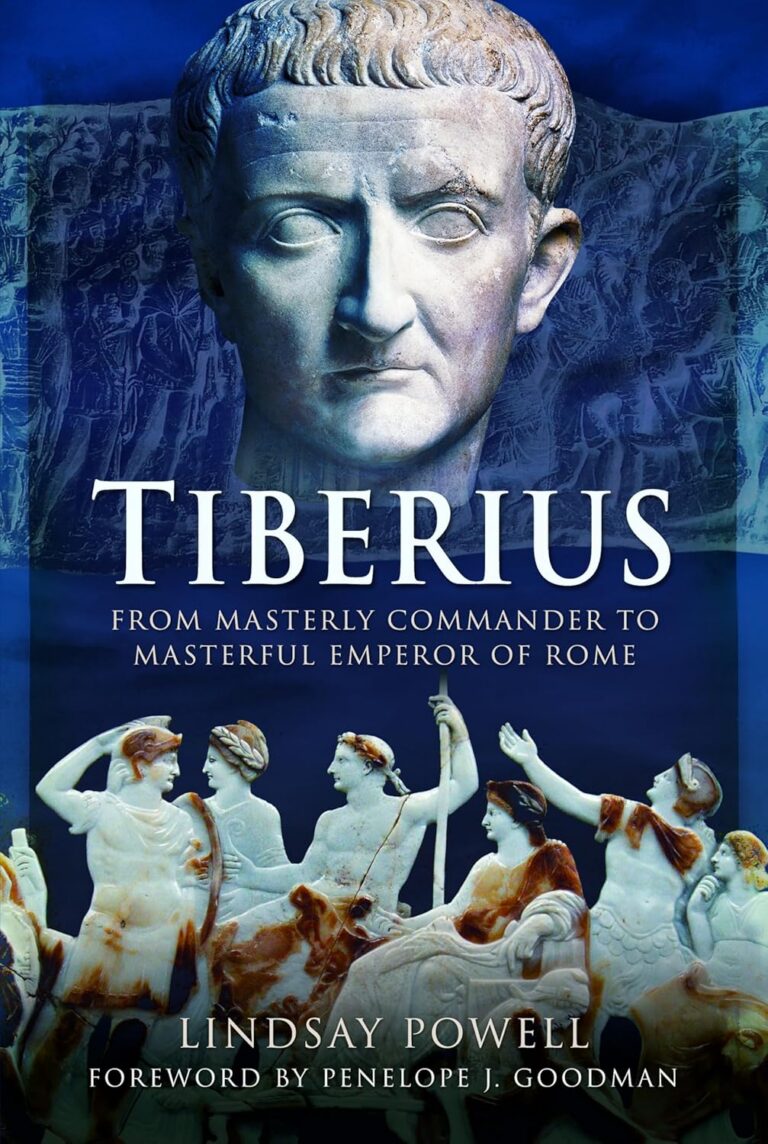
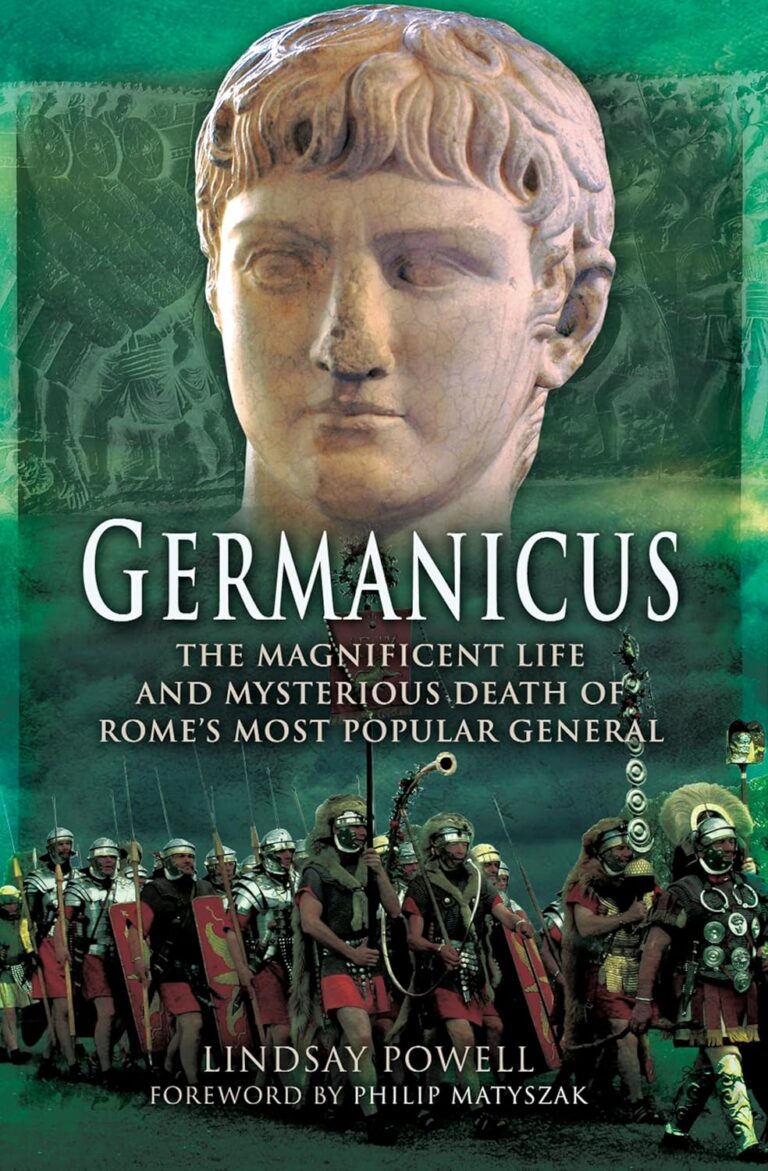
In Lindsay Powell’s Germanicus, the final chapters examine the persecution of Germanicus’s widow and children under Tiberius and Sejanus, and the survival of his public image through Caligula, Claudius and later Roman memory. In Lindsay Powell’s Tiberius, the imperial chapters reconsider Tiberius’s financial management, provincial government, treason trials and retreat to Capri, separating contemporary evidence from later stories of depravity and tyranny. Germanicus’s popularity, the rise and fall of Sejanus and the position of Livia and Caligula are treated as central to the politics of the reign. Sejanus is treated fictionally in Fiona Forsyth’s Poetic Justice, L. J. Trafford’s The Wine Boy, Fiona Forsyth’s Written in Blood, Robert Fabbri’s Tribune of Rome, and Robert Fabbri’s Rome’s Executioner.