Livia was the wife of Augustus and a central matriarch of the Julio-Claudian dynasty. Her long public career linked the household of Augustus to the succession of Tiberius, while later sources made her a powerful and sometimes sinister symbol of female influence at court.
Livia was born in Rome. Livia also held the offices or ranks of Augusta and Roman Empress. Livia belonged to the Livii Drusi; Julio-Claudian dynasty; Julii Caesares and operated within Ancient Rome.
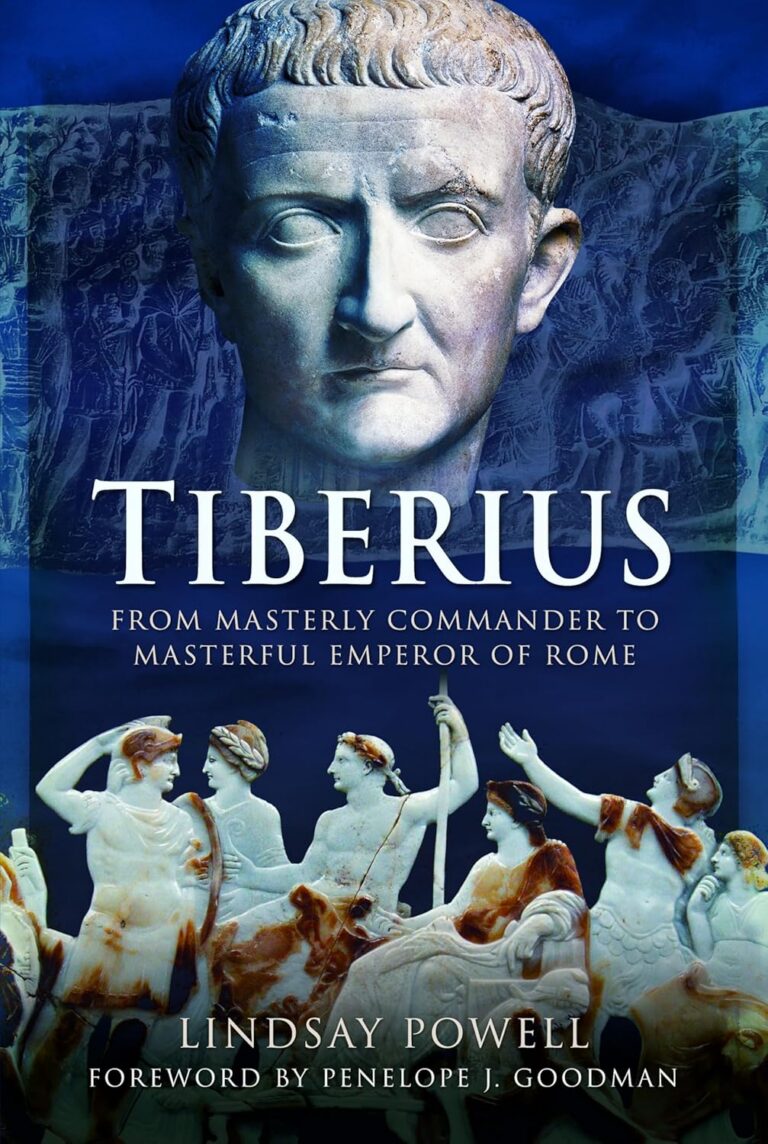
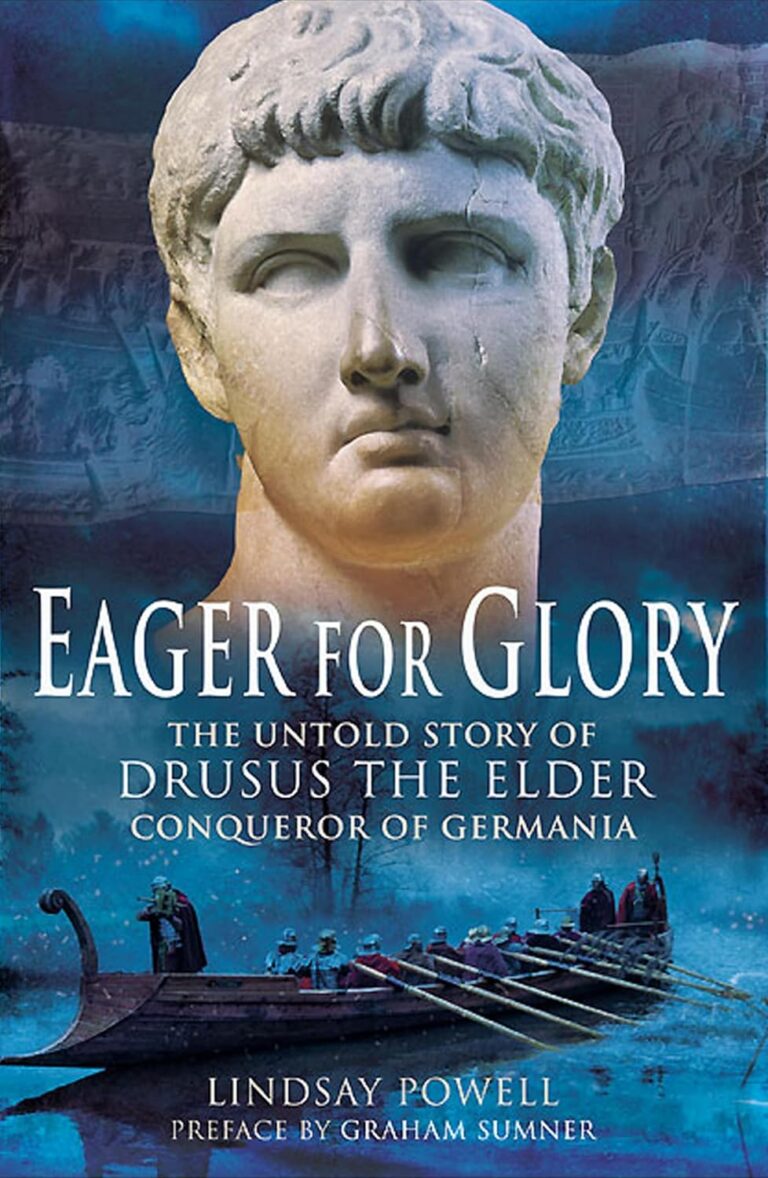
Fiona Forsyth’s Death and the Poet has Livia send a cryptic message to Ovid through his wife Fabia as Augustus’s failing health makes the succession to Tiberius a matter of immediate danger. In Robert Graves’ I, Claudius, Livia is one of the dominant powers inside the Julio-Claudian household, shaping marriages and succession in Claudius’s darkly suspicious account of his family. Forsyth’s Written in Blood makes her an active conspiratorial force again when she entrusts Ovid with a boy whose imperial descent could threaten rival factions. Lindsay Powell’s Eager for Glory approaches Livia through the career of her son Drusus and the family politics of Augustus’s court. Powell’s Tiberius then treats her position directly within the making and early government of the second emperor, distinguishing the surviving evidence from later stories about an all-controlling imperial mother.