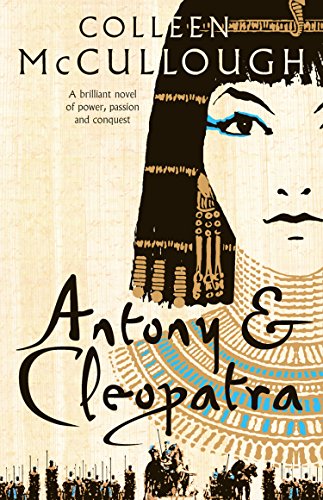
Mark Antony was a Roman general and politician who served Julius Caesar and became one of the three rulers of the Second Triumvirate after Caesar’s assassination. He defeated Brutus and Cassius with Octavian, controlled the eastern provinces and formed an alliance and relationship with Cleopatra. Rivalry with Octavian became civil war, ending in defeat at Actium and the fall of Alexandria.
Antony died by suicide in 30 BC. Mark Antony served as Triumvir and Roman consul. Mark Antony belonged to gens Antonia. Mark Antony is generally dated to 83–30 BCE.
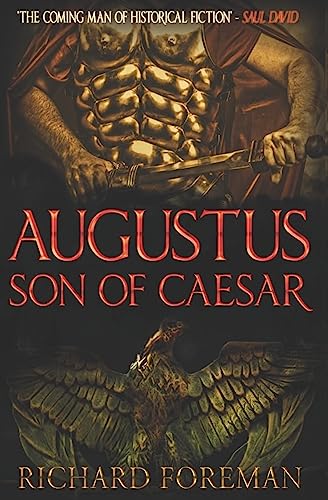
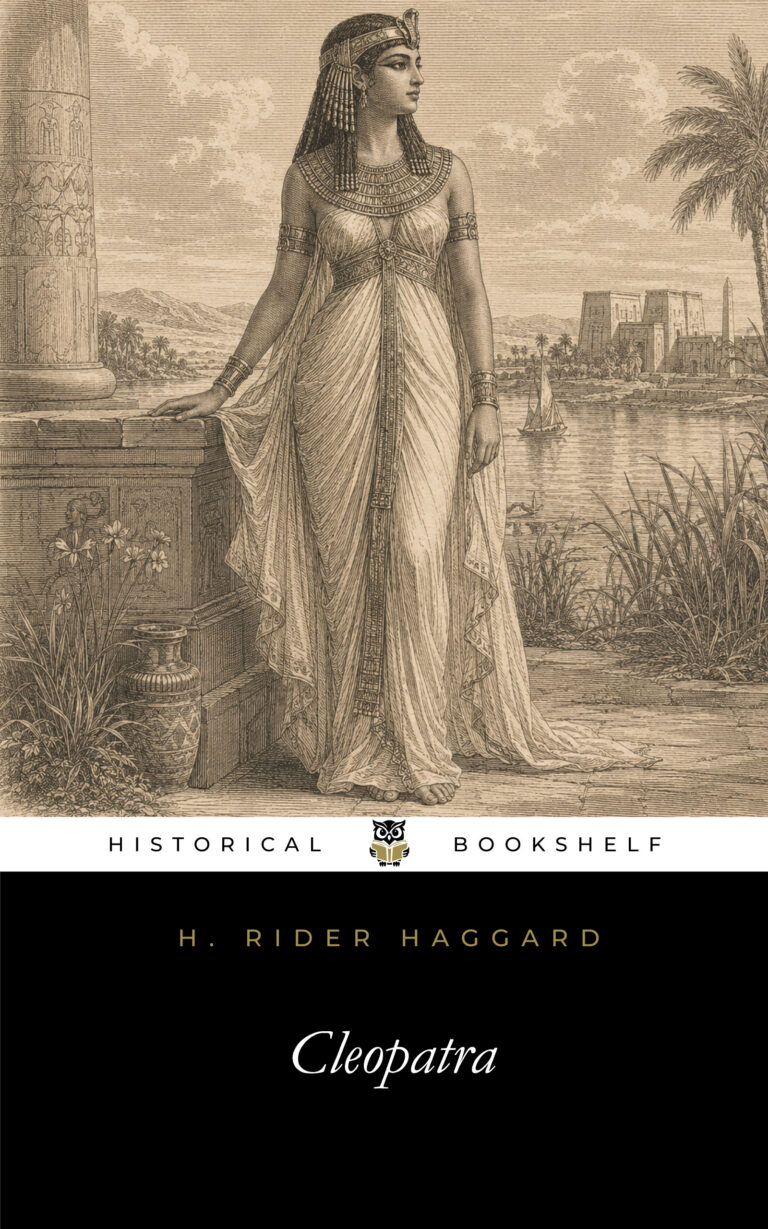
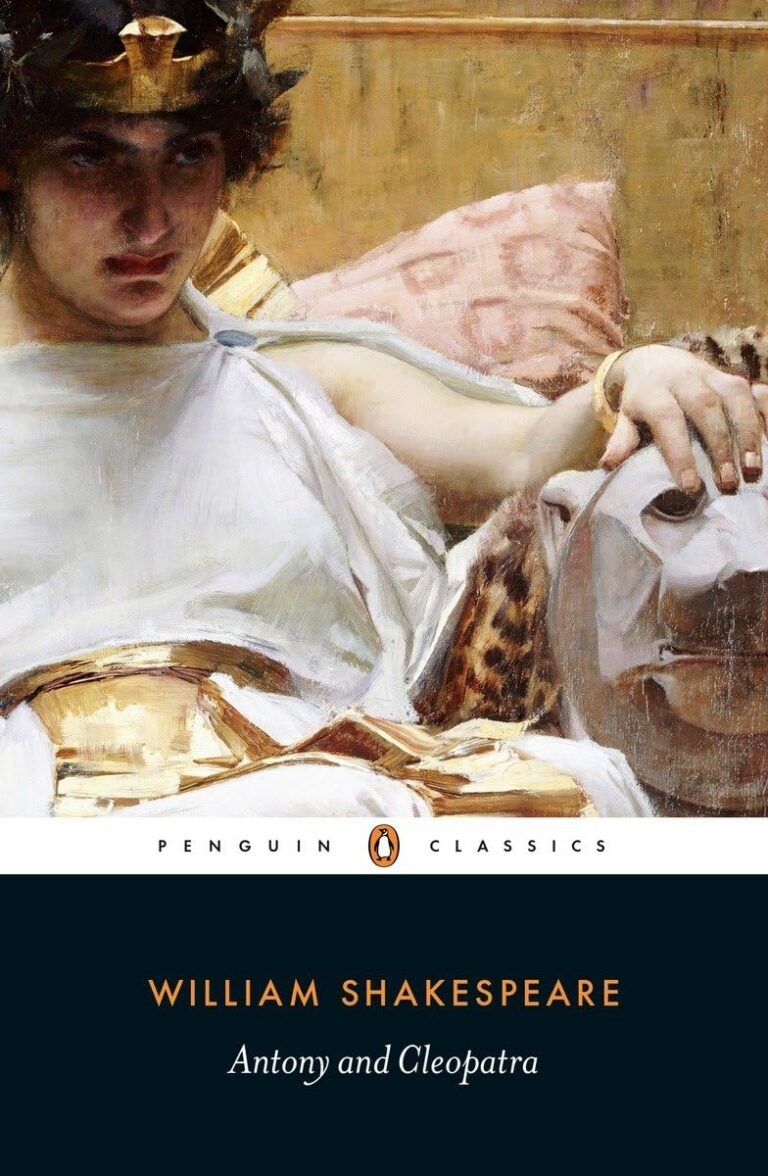
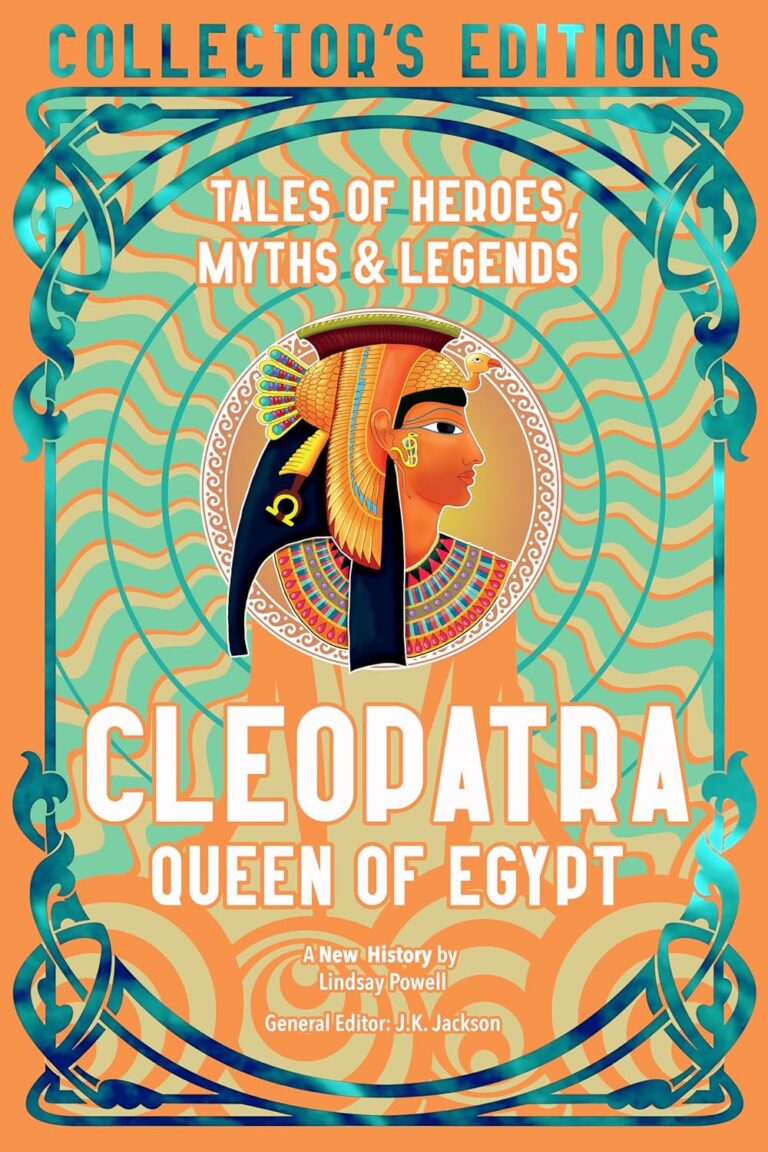
In H. Rider Haggard’s Cleopatra, Cleopatra, Mark Antony and Octavian stand within a tragic story of nationalism, betrayal and the political uses of love. In Lindsay Powell’s Cleopatra Queen of Egypt, born into a Greek-speaking dynasty, Cleopatra used language, ceremony, diplomacy and personal alliances to preserve a kingdom increasingly constrained by Roman power. Her relationships with Julius Caesar and Mark Antony are placed within the civil wars that transformed the Roman Republic rather than treated only as romantic legend. Further fictional perspectives on Mark Antony can be found in Peter Tonkin’s After the Ides, Robert Harris’ Agrippa, Richard Foreman’s Alesia, Shakespeare’s Antony and Cleopatra, and Richard Foreman’s Augustus: Son of Caesar.