Marcus Junius Brutus was a Roman senator, philosopher and one of the leading assassins of Julius Caesar. Although Caesar had pardoned and promoted him after the civil war, Brutus joined the conspiracy in the belief that dictatorship threatened the republic.
After the murder he failed to secure political control of Rome, raised armies in the east and fought Antony and Octavian at Philippi. Defeated in 42 BC, he took his own life. Other treatments emphasise wealth, provincial exploitation and the contradiction between republican principle and civil war.
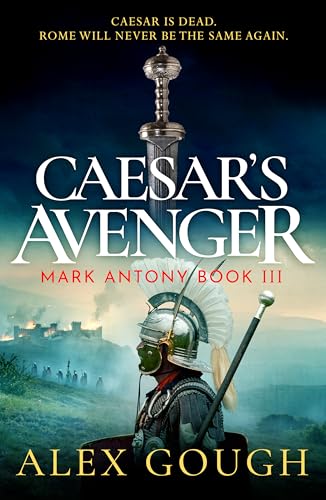
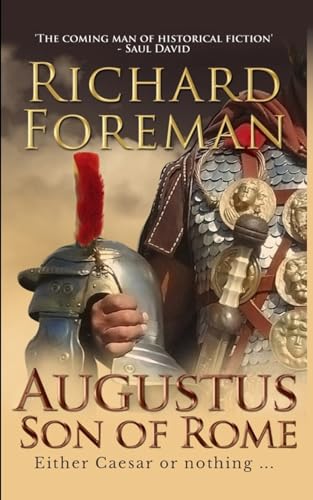
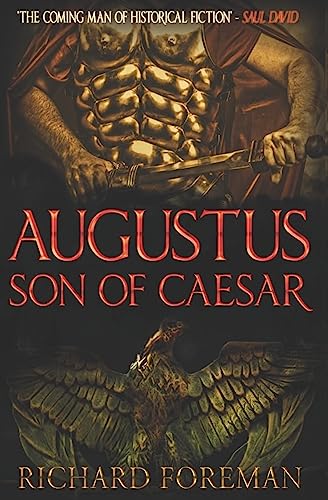
Richard Foreman’s Augustus: Son of Rome and Augustus: Son of Caesar present Brutus as one of the principal assassins whose flight and resistance leave Caesar’s teenage heir facing a republic already divided into armed camps. Alex Gough’s Caesar’s Avenger follows Brutus and Cassius as they build forces in the east while Antony, Octavian and Lepidus organise the triumvirate that will pursue them. Peter Tonkin’s Death at Philippi centres the final military contest in Macedonia, where Brutus’s republican cause is destroyed by the triumviral armies. Shakespeare’s Julius Caesar makes Brutus the moral and political centre of the assassination itself, dramatising the conflict between his attachment to Caesar and his fear that Caesar’s power threatens the Republic.