Books

As an Amazon Associate I earn from qualifying purchases. Affiliate disclosure.
Phase
63–62 BCE
The Catilinarian Conspiracy centred on Lucius Sergius Catilina, an aristocratic politician who had repeatedly failed to win the consulship. Cicero claimed that Catiline and his supporters intended to murder officials, cancel debts and seize power. Catiline left Rome to join an armed force in Etruria, while several allies were arrested in the city.
The Senate allowed Cicero to execute five alleged conspirators without trial, a decision that later damaged his own political position. Catiline died with his army at Pistoria in 62 BC. The episode became a lasting argument about emergency power, elite debt, political violence and whether Cicero exposed a genuine revolution or magnified a disorganised movement.
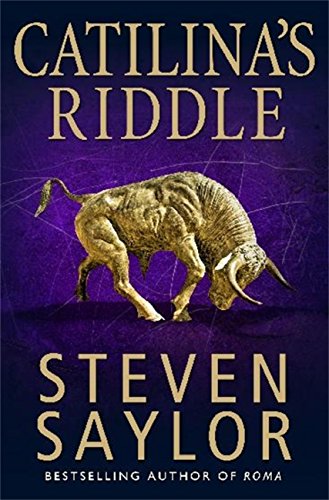
Steven Saylor’s Catilina’s Riddle places Gordianus between Cicero’s intelligence network and Catiline’s supporters, using murder and uncertainty to question both official claims and revolutionary promises. Robert Harris and Colleen McCullough also make the conspiracy central to fiction about the Republic’s breakdown.
Books
Non-Fiction
Histories, biographies and reference works are listed separately from the historical novels above.