Gaius Sallustius Crispus, known as Sallust, was a Roman politician and historian of the late Republic. Born in 86 or 85 BCE in the Sabine town of Amiternum, he entered public life as a supporter of Julius Caesar and was expelled from the Senate in 50 BCE, officially for misconduct. Caesar restored his career, and Sallust later governed the province of Africa Nova. Ancient sources accused him of enriching himself corruptly there, though the details are entangled with hostile political tradition.
After withdrawing from active politics, Sallust wrote sharply compressed historical monographs concerned with moral decline, ambition and faction. The Conspiracy of Catiline examines the failed uprising of 63 BCE, while The Jugurthine War uses Rome’s North African conflict to expose aristocratic corruption and political rivalry. Fragments also survive from his larger Histories. Sallust’s distinctive archaic Latin style and pessimistic analysis of elite competition made him a major model for later Roman historians and an important source for the final decades of the Republic.
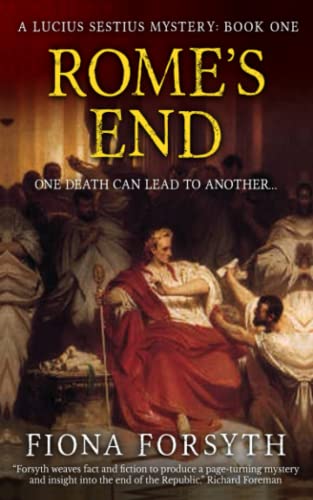
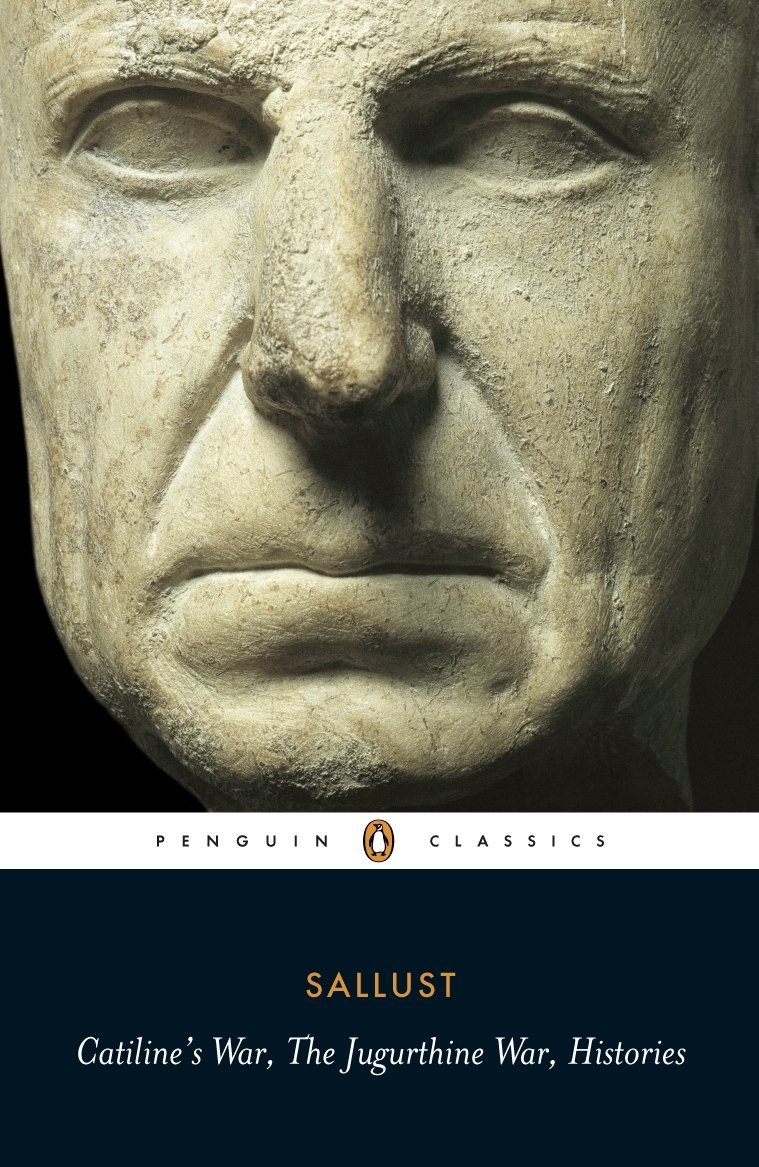
In Sallust’s Catiline’s War, the Jugurthine War, Histories, Sallust’s surviving histories are useful sources for three late-republican crises: the Catilinarian conspiracy in Rome in 63 BCE, the Jugurthine War in Numidia from 112 to 105 BCE, and the political instability that followed Sulla. In Fiona Forsyth’s Rome’s End, Lucius Sestius Quirinalis is an ambitious young lawyer whose family has taken up a case against the historian Sallust for corruption during his governorship of Africa. Sallust’s own research into the Catilinarian Conspiracy has disturbed men who believed the events of 63 BC safely buried.