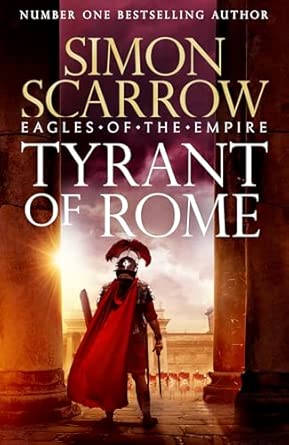
Eagles of the Empire in Order
The Eagles of the Empire series follows Roman soldiers Macro and Cato from the reign of Claudius into that of Nero. Their service takes them through the invasion and occupation of Britain, Mediterranean piracy, revolt, imperial court intrigue and Rome’s eastern wars, combining military campaigning with the politics…
All books in this series
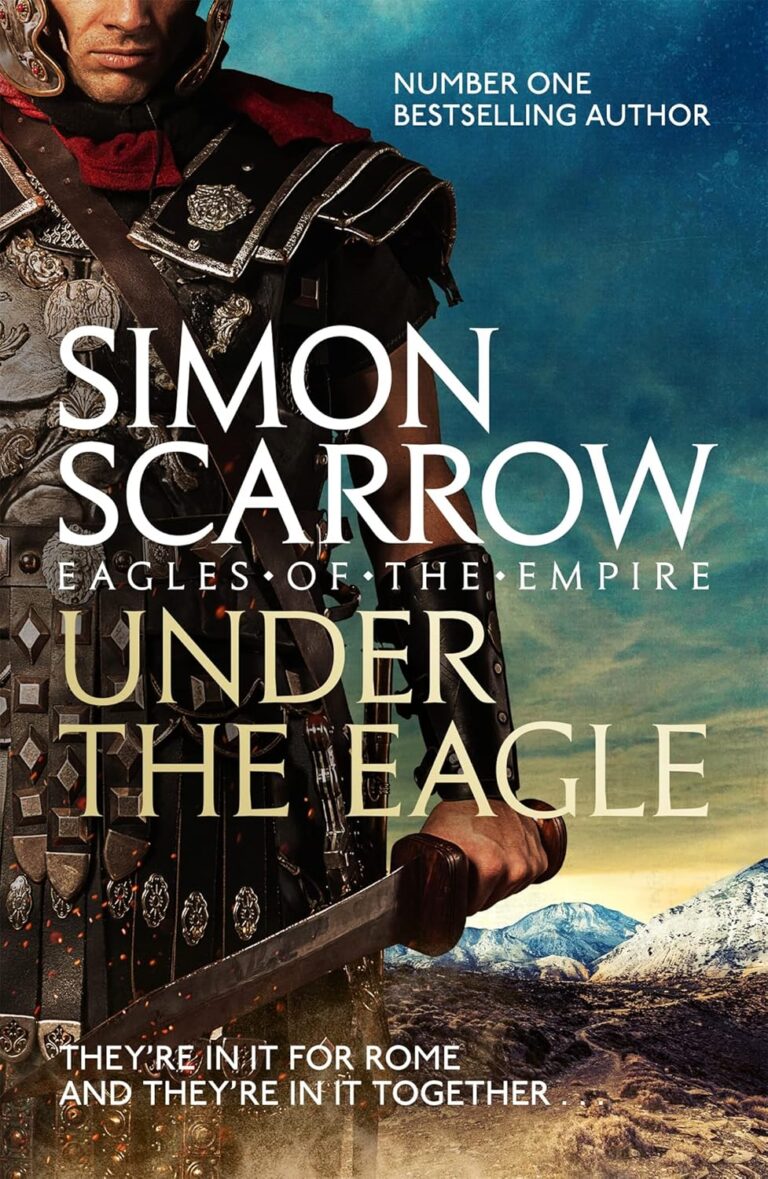
1. Under the Eagle
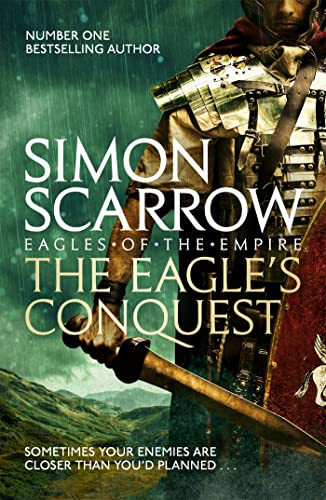
2. The Eagle’s Conquest

3. When the Eagle Hunts

4. The Eagle and the Wolves

5. The Eagle’s Prey
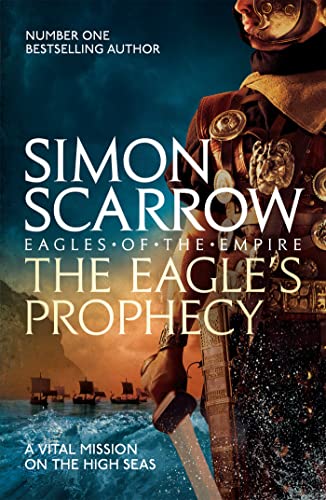
6. The Eagle’s Prophecy
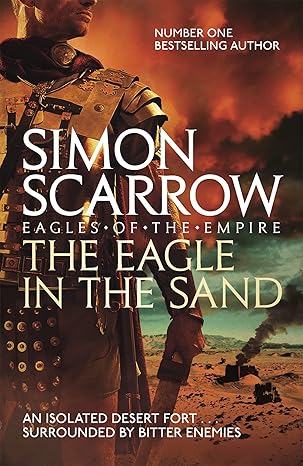
7. The Eagle in the Sand

8. Centurion
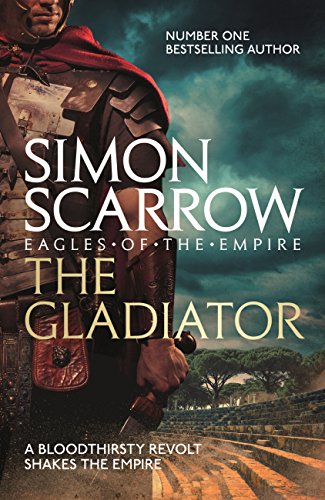
9. The Gladiator
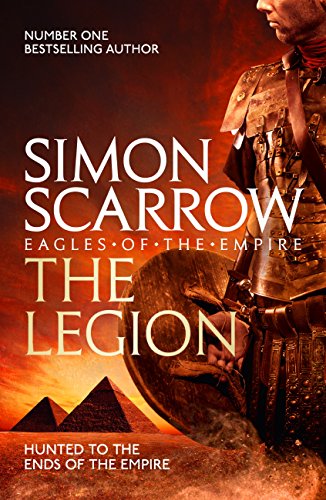
10. The Legion
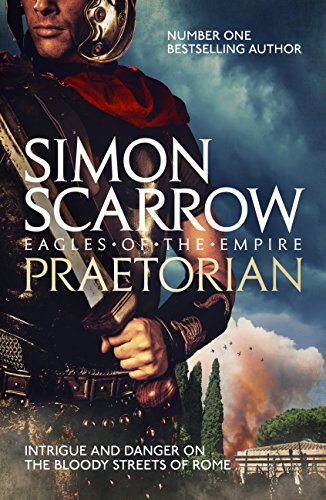
11. Praetorian
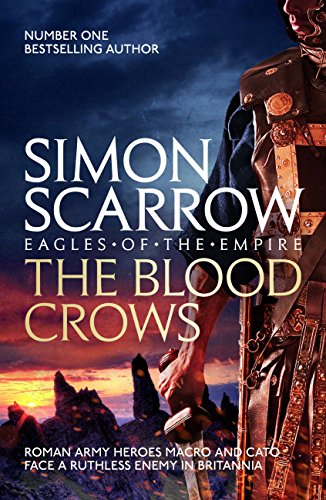
12. The Blood Crows
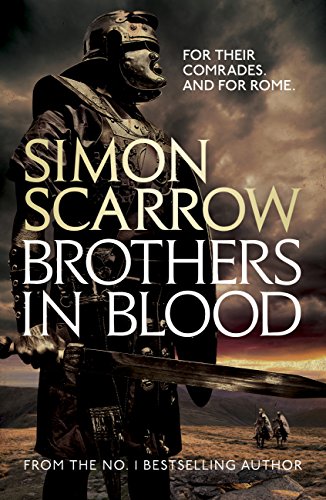
13. Brothers in Blood

14. Britannia
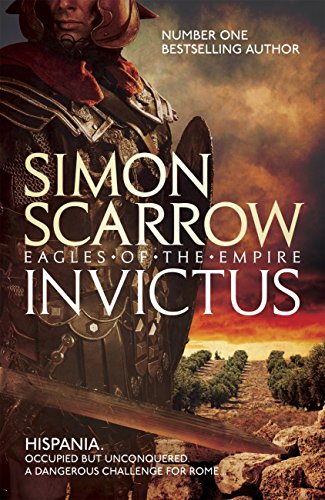
15. Invictus
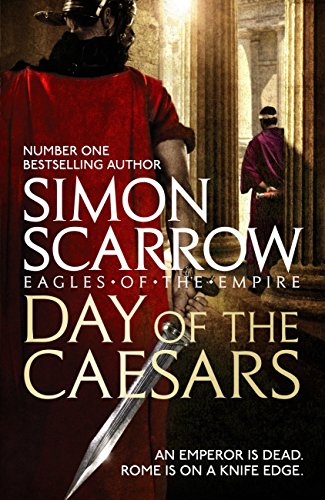
16. Day of the Caesars
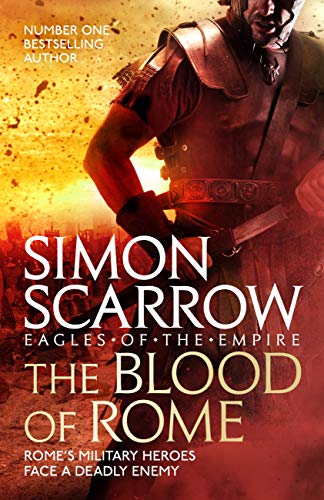
17. The Blood of Rome
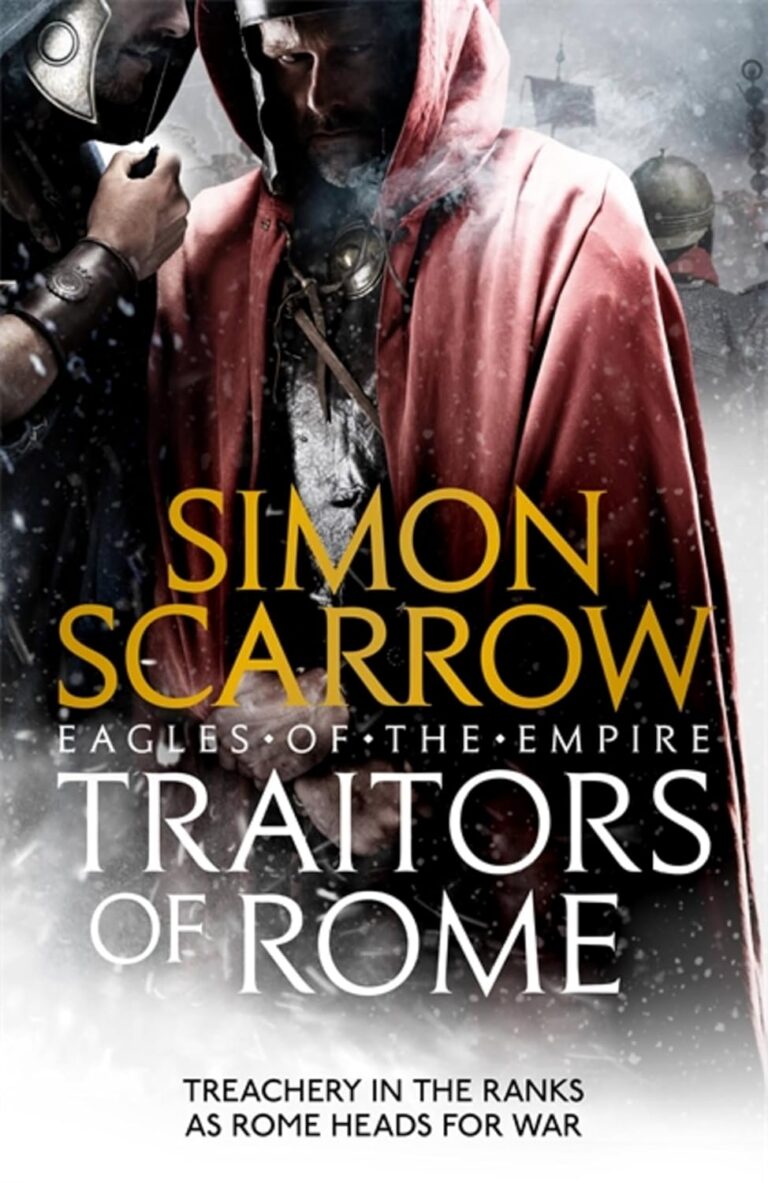
18. Traitors of Rome

19. The Emperor’s Exile
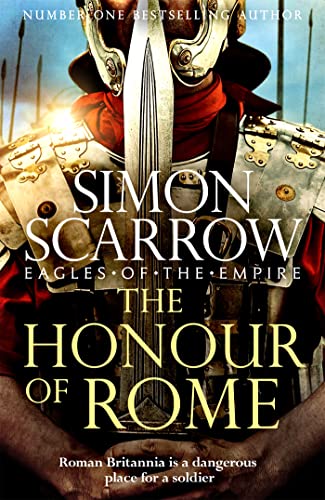
20. The Honour of Rome
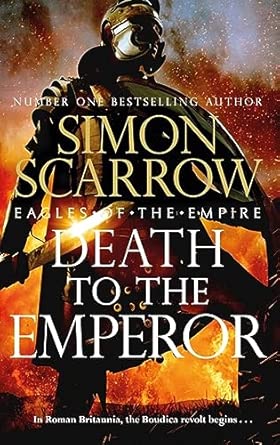
21. Death to the Emperor
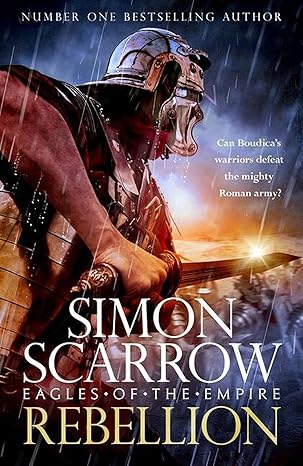
22. Rebellion
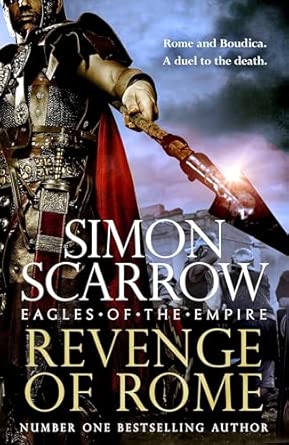
23. Revenge of Rome