Simon Scarrow writes accessible military historical fiction, especially Roman army novels driven by campaigns, discipline and battlefield danger.
Simon Scarrow (born 1962) is a British historical novelist best known for military fiction set in the Roman Empire and the Napoleonic Wars. Born in Nigeria, he spent parts of his childhood in several countries before his family settled in Britain, an upbringing that gave him an early awareness of different cultures and historical landscapes. He later worked in the civil service, studied at the University of East Anglia and trained as a teacher. Scarrow went on to teach history and lecture in further education before becoming a full-time writer. That background is evident in the way his novels explain military organisation, political rivalries and the wider circumstances surrounding campaigns without slowing the narrative. His books are particularly concerned with soldiers as members of institutions: how discipline, rank, supply, leadership and personal loyalty affect men who are expected to fight on behalf of distant rulers and political causes.
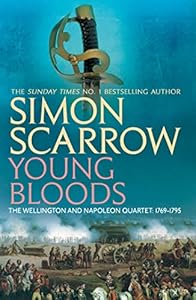
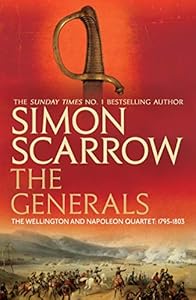
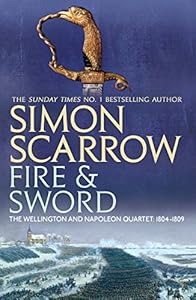
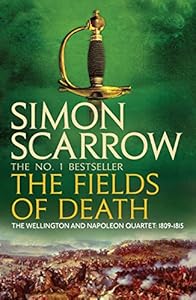
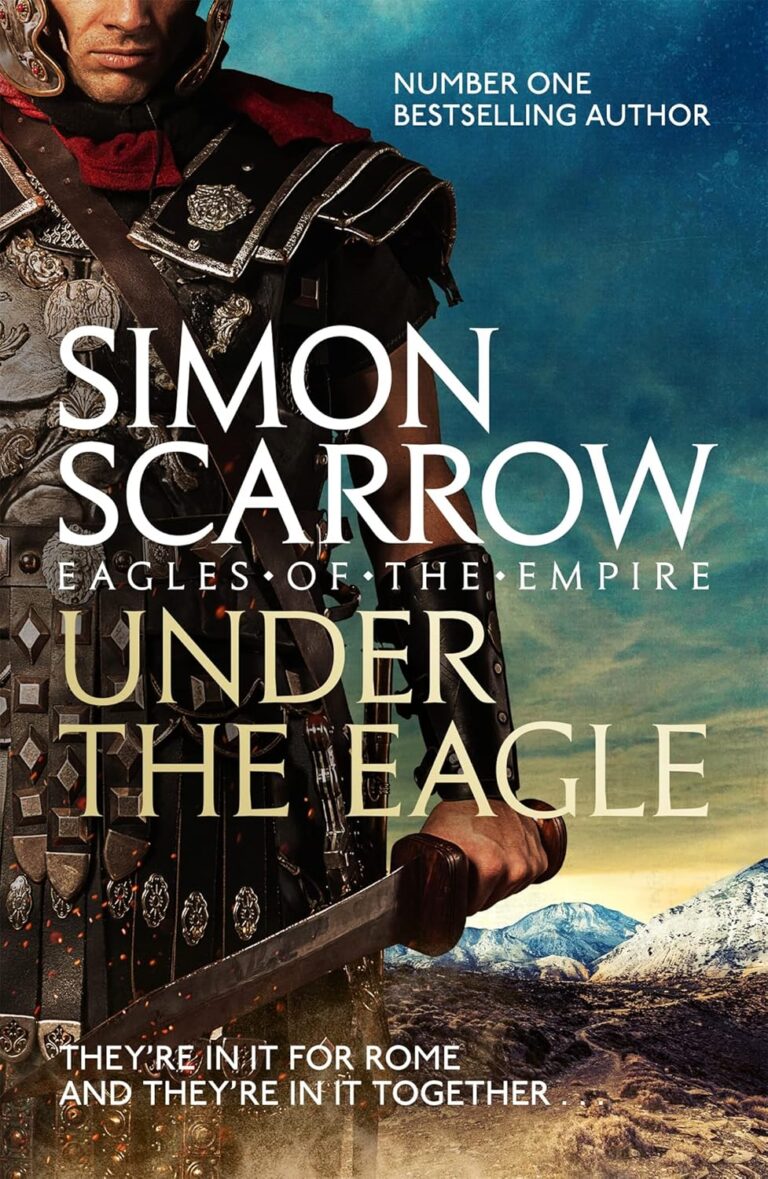
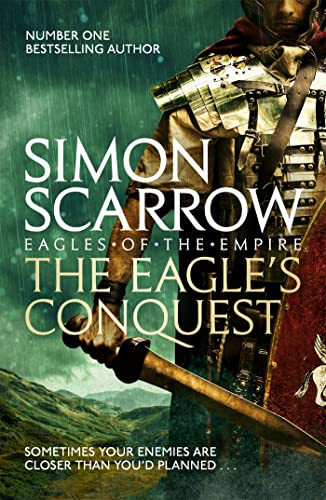
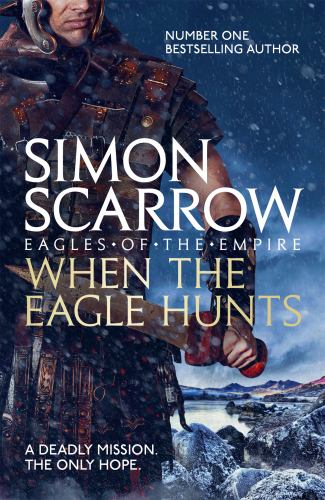
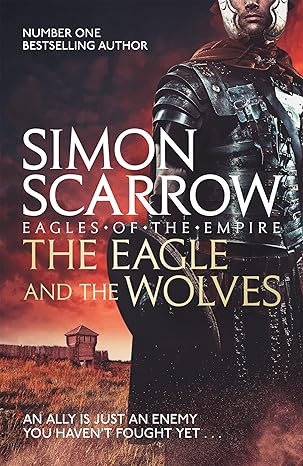
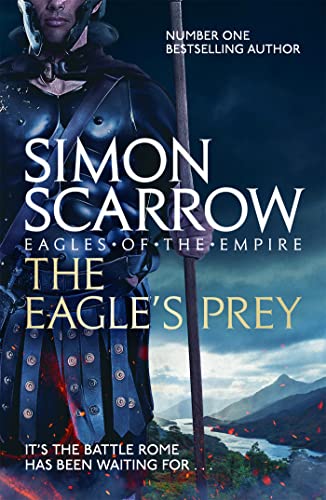
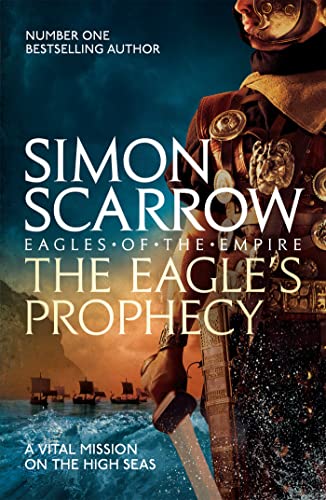
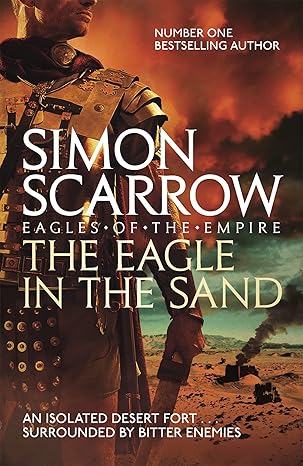
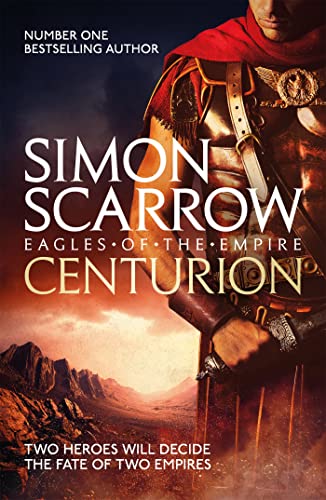
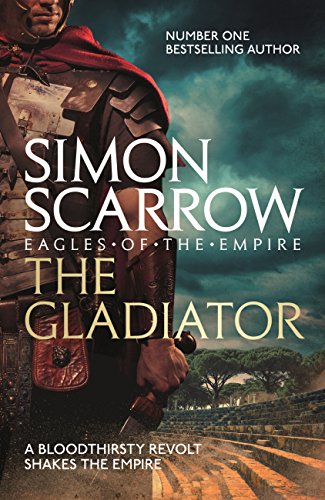
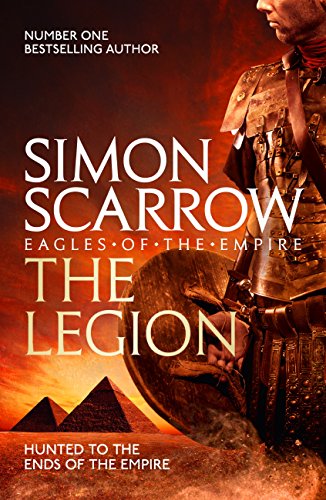
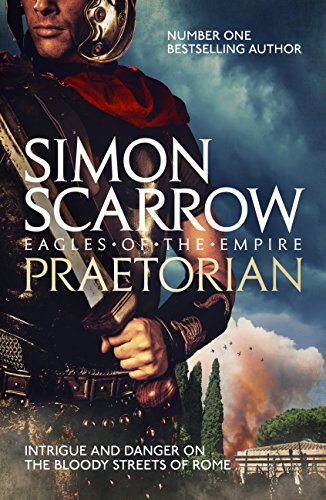
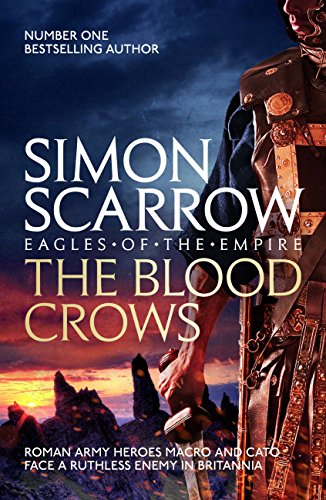
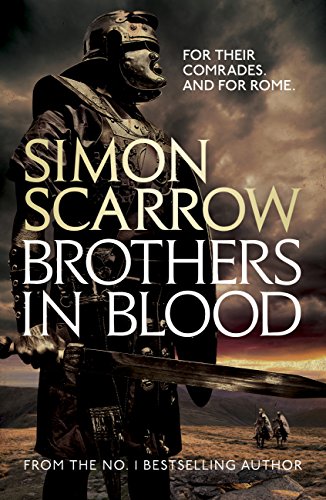
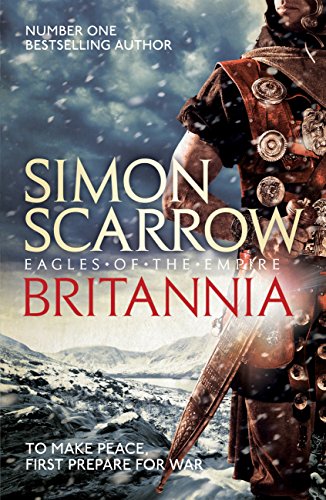
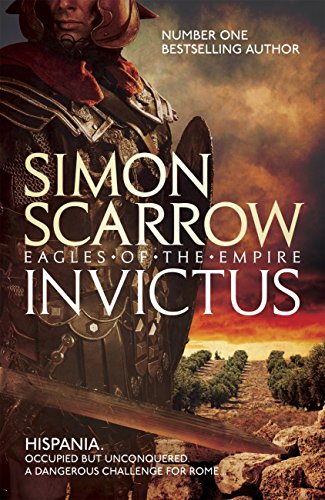
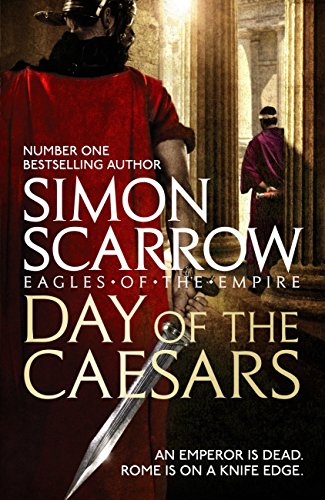
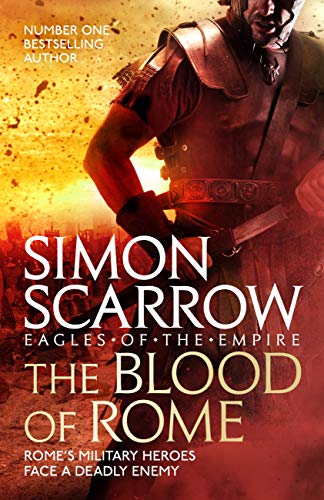
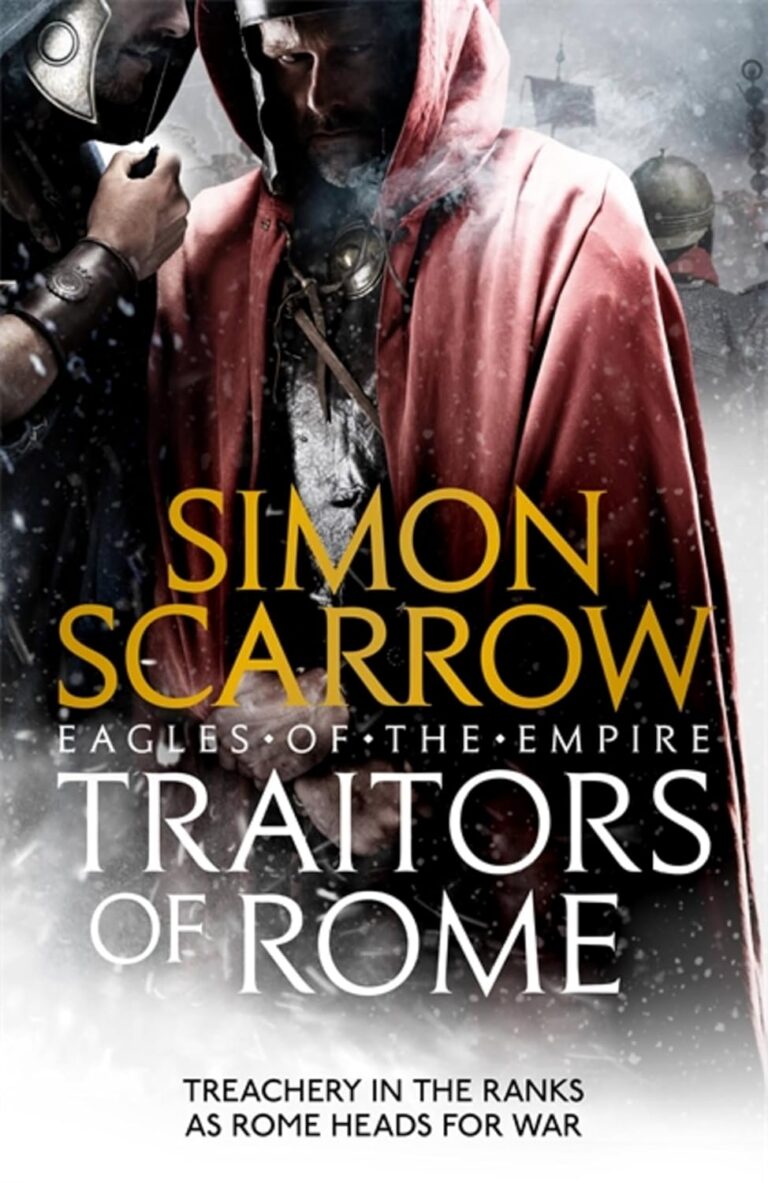
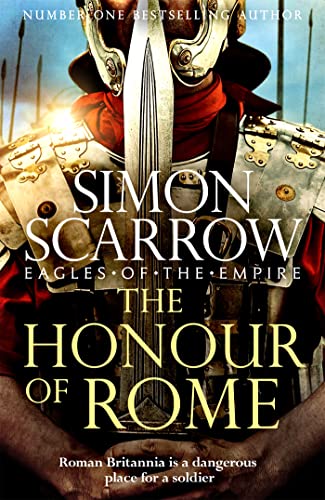
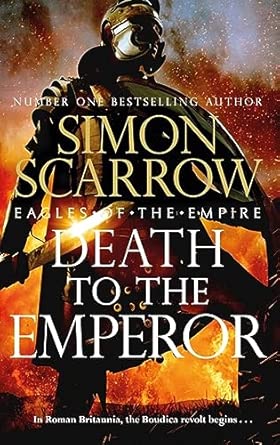
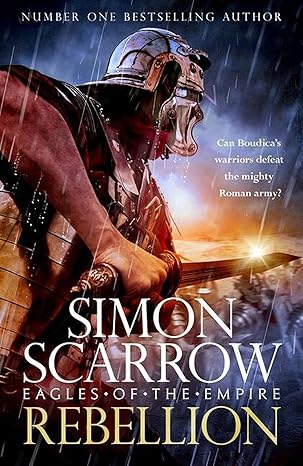
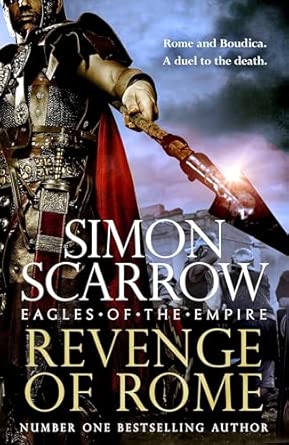
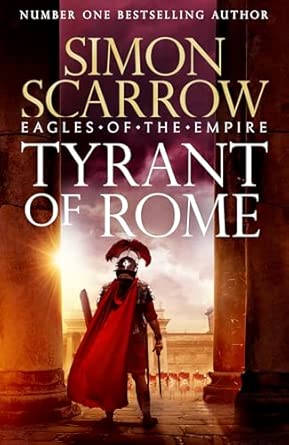
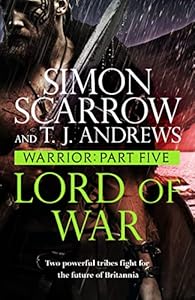
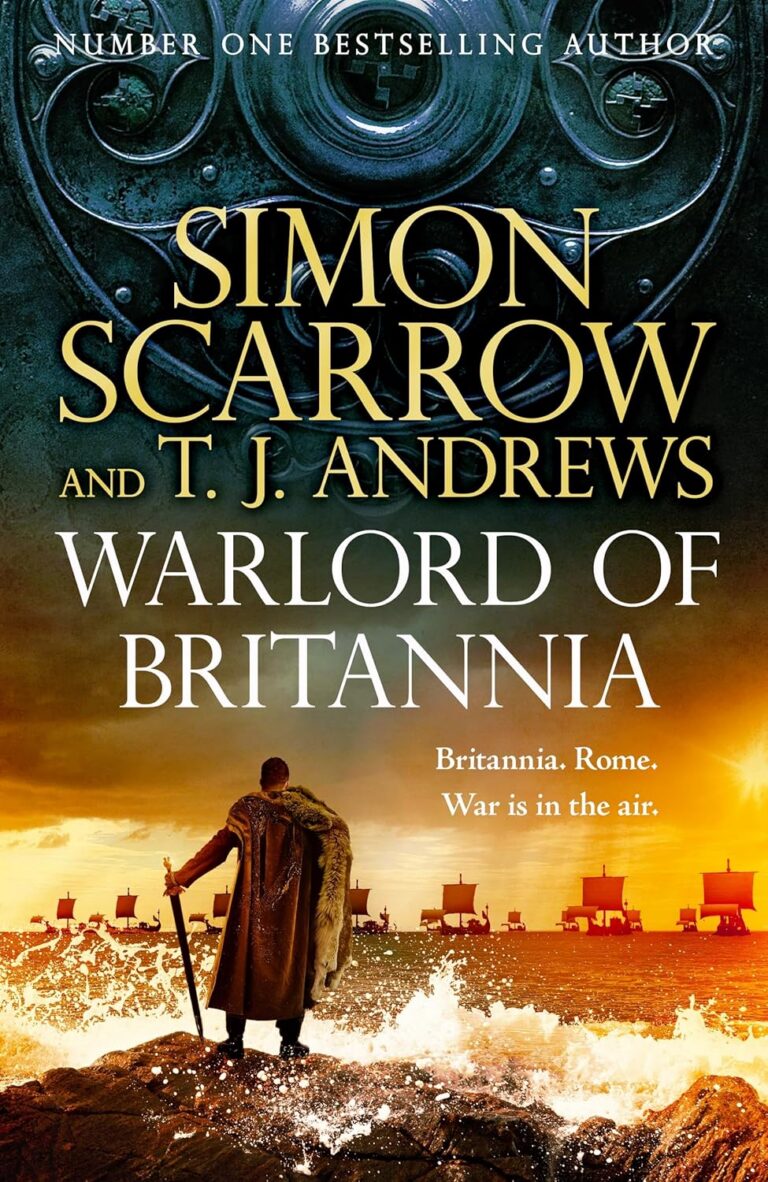
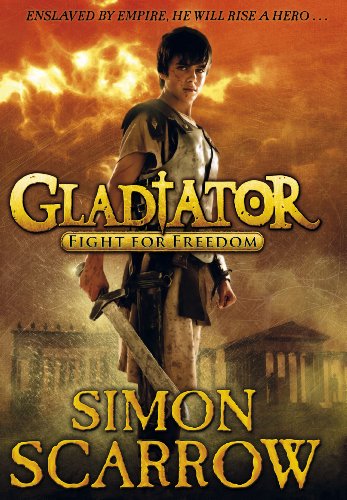
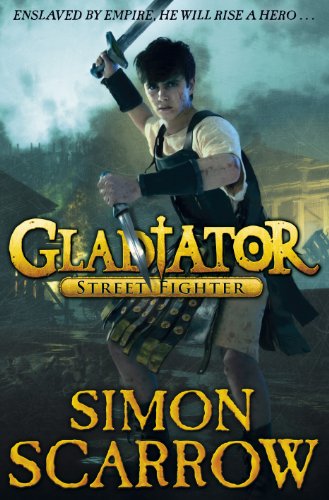
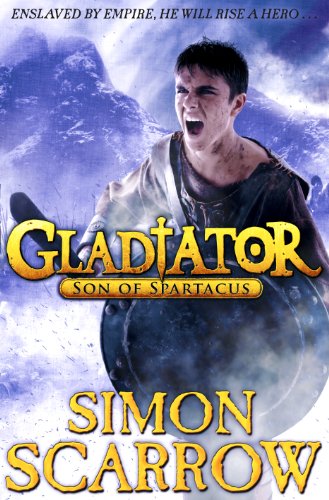
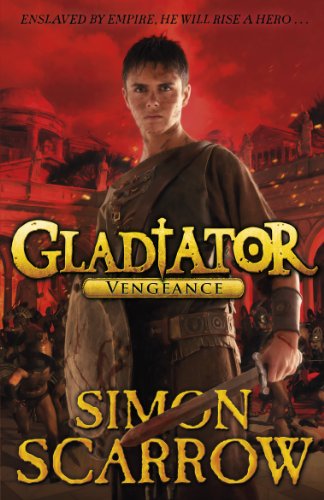
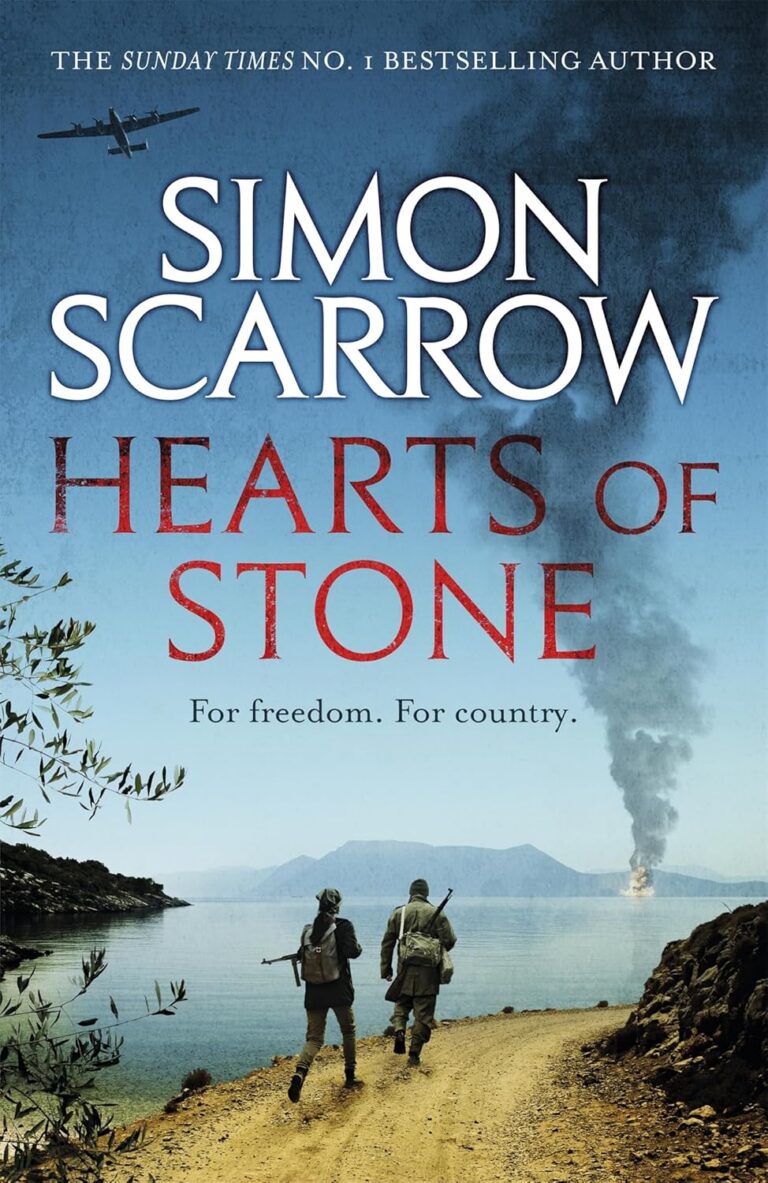
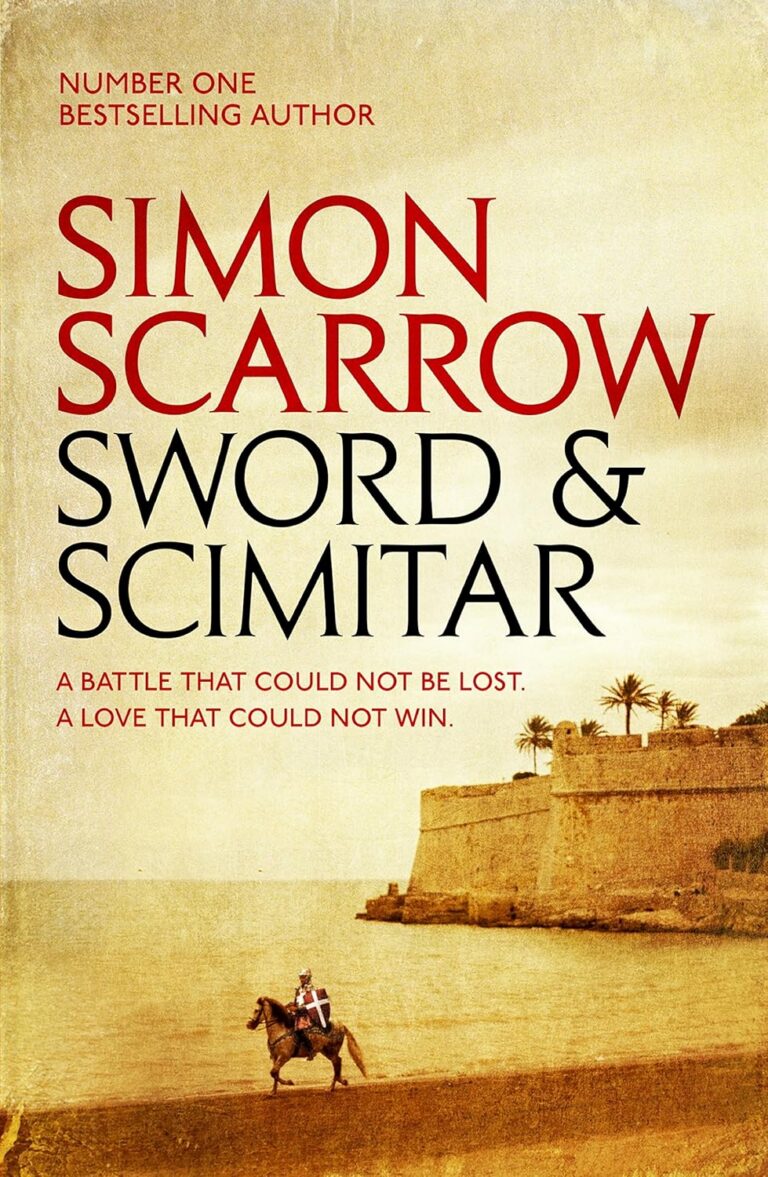
Scarrow began the Eagles of the Empire series with Under the Eagle in 2000. The novels follow the experienced centurion Macro and the younger Cato through campaigns across the Roman world, beginning with the invasion of Britain under Emperor Claudius and later taking them to Germania, the eastern Mediterranean, Judaea and other imperial frontiers. The series combines large-scale battles with intelligence missions, political intrigue and rivalry within the Roman army and imperial court. Scarrow has also written the Revolution quartet, tracing the parallel careers of Napoleon Bonaparte and Arthur Wellesley, the future Duke of Wellington, from their youth to their confrontation at Waterloo. His young-adult Gladiator series follows Marcus Cornelius Primus through the brutal world of slavery and arena combat in the late Roman Republic, while other novels and series range into the Second World War and additional periods of military history. Across his fiction, Scarrow repeatedly explores comradeship, command, ambition and survival, with particular attention to the practical mechanics of organised warfare and the experiences of soldiers operating within much larger political struggles.

 Bernard Cornwell
57 books
Bernard Cornwell
57 books
 Robert Fabbri
14 books
Robert Fabbri
14 books
 M.C. Scott
11 books
M.C. Scott
11 books
 K. M. Ashman
37 books
K. M. Ashman
37 books
 Griff Hosker
195 books
Griff Hosker
195 books