
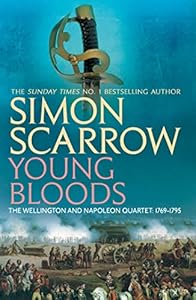
1. Young Bloods
Europe and India, 1769–1797. Arthur Wellesley grows up in an Anglo-Irish aristocratic family and enters the British Army without an obvious vocation, while Napoleon Bonaparte leaves Corsica for military education in France. Revolution gives Napoleon opportunities that birth alone could not provide, and service abroad begins…
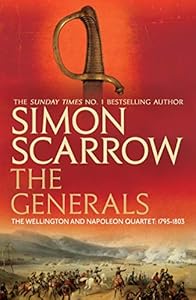
2. The Generals
Europe, Egypt and India, 1798–1804. Napoleon turns battlefield success into political power, campaigning in Egypt before becoming First Consul and then emperor. Wellesley develops his reputation in India, where command, logistics and victories against regional powers provide the experience he was denied in Europe. The two…
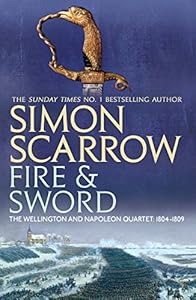
3. Fire and Sword
Europe and the Iberian Peninsula, 1804–1809. Napoleon’s empire expands through victories over Austria and Prussia while British sea power is confirmed at Trafalgar. Wellesley returns to European command and enters the Peninsular War, where French occupation meets Portuguese and Spanish resistance. The novel follows the widening…
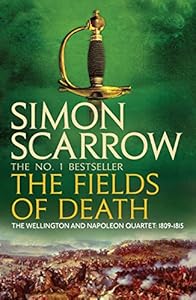
4. The Fields of Death
Europe, 1809–1815. Wellesley’s campaigns in Portugal, Spain and southern France erode French control while Napoleon’s invasion of Russia and the coalition wars weaken his empire. After abdication and exile, Napoleon returns for the Hundred Days and forces one final campaign. The parallel narratives culminate at Waterloo,…