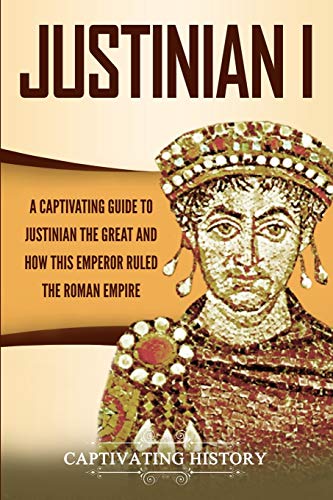
c. 483–565
Justinian I was the Byzantine emperor whose long reign sought to restore Roman authority and law. His government codified Roman law, built Hagia Sophia and employed generals such as Belisarius in wars against Vandals and Ostrogoths, while also facing plague, religious disputes and war with Persia.
Justinian I was born in Tauresium, Dardania, Byzantine Empire and died in Constantinople, Byzantine Empire. Justinian I also held the offices or ranks of Roman consul. Justinian I belonged to the Justinian dynasty and operated within Byzantine Empire.
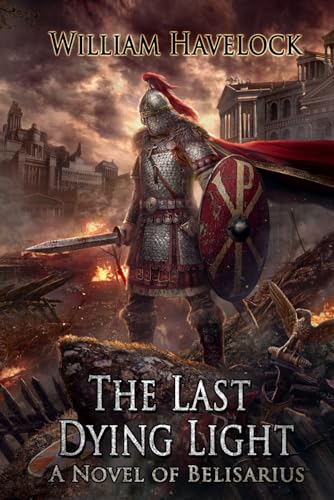
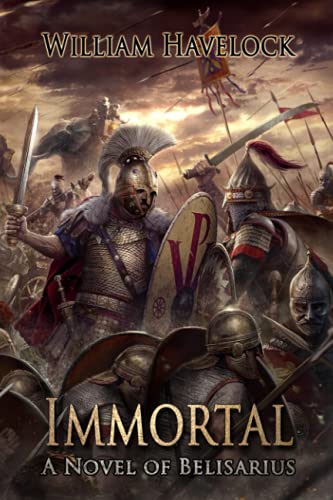
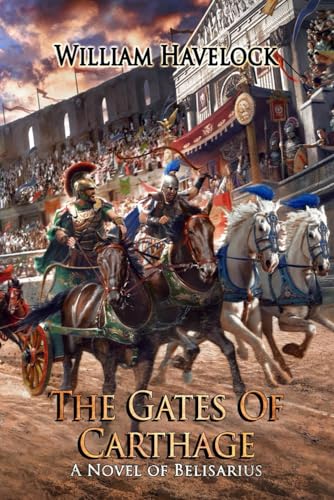
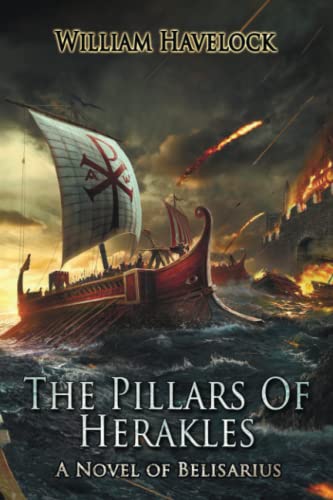
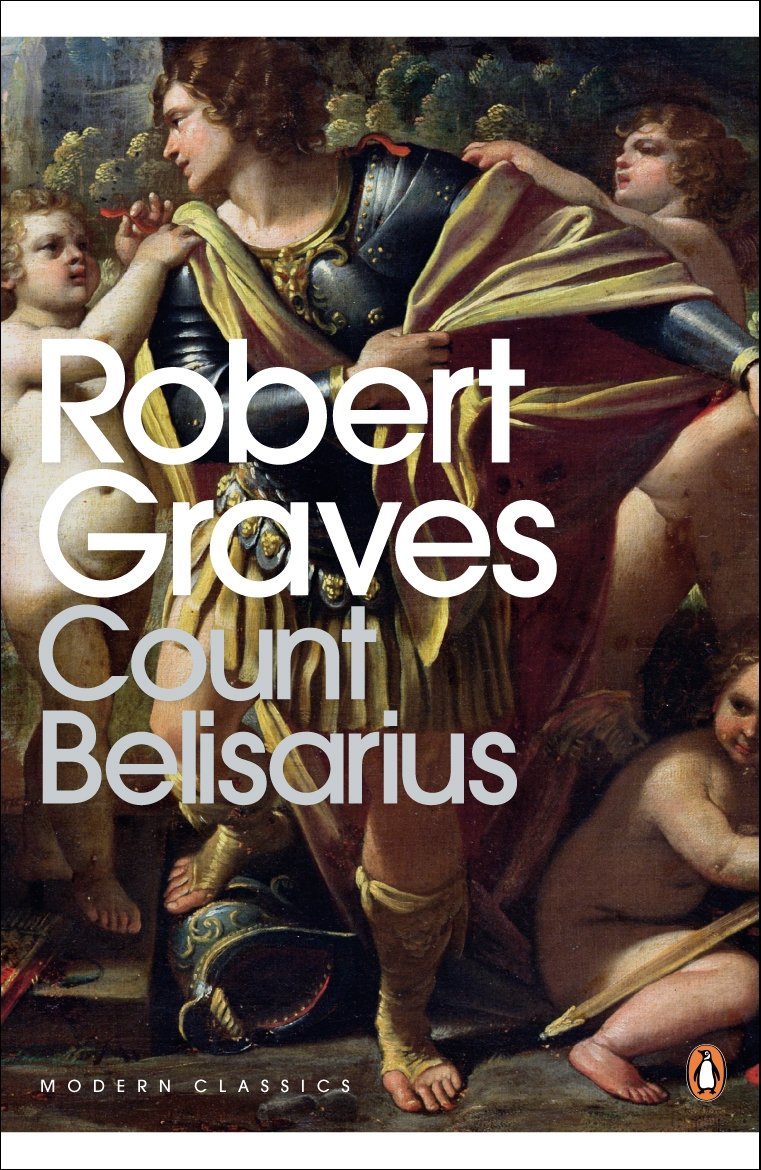
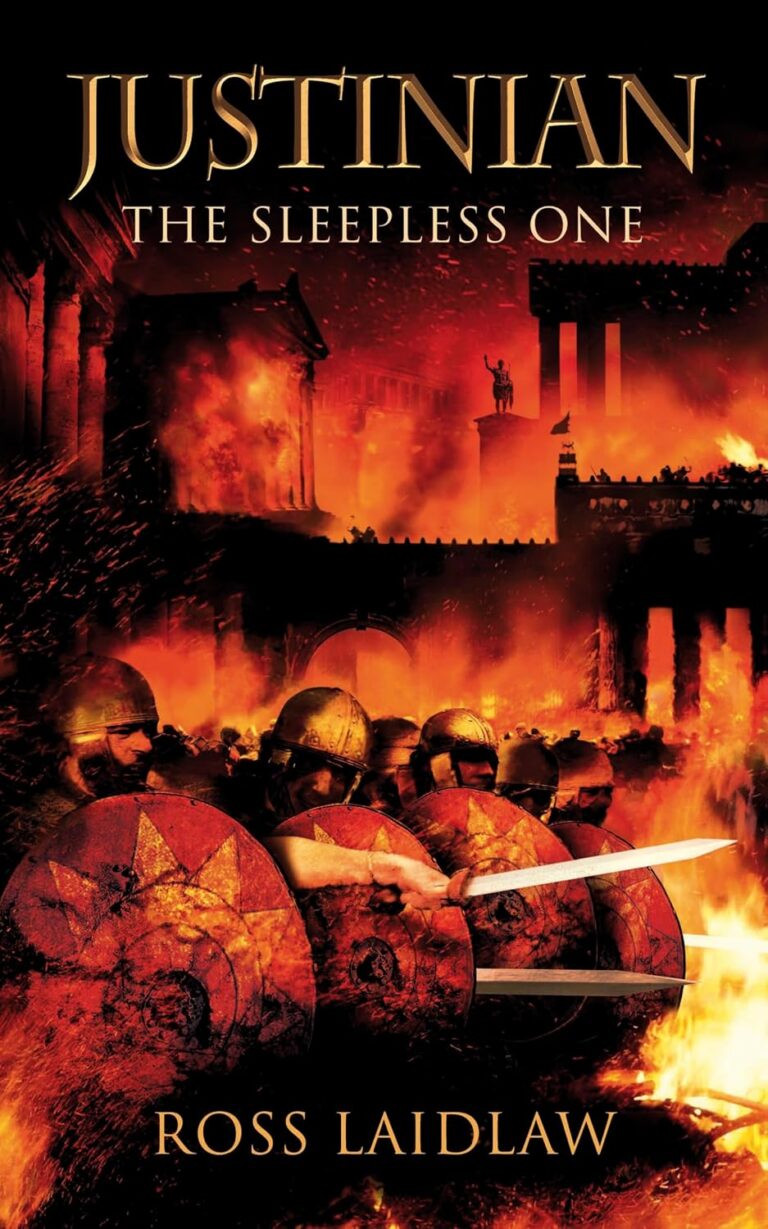
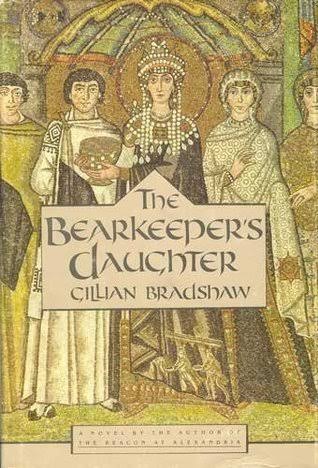
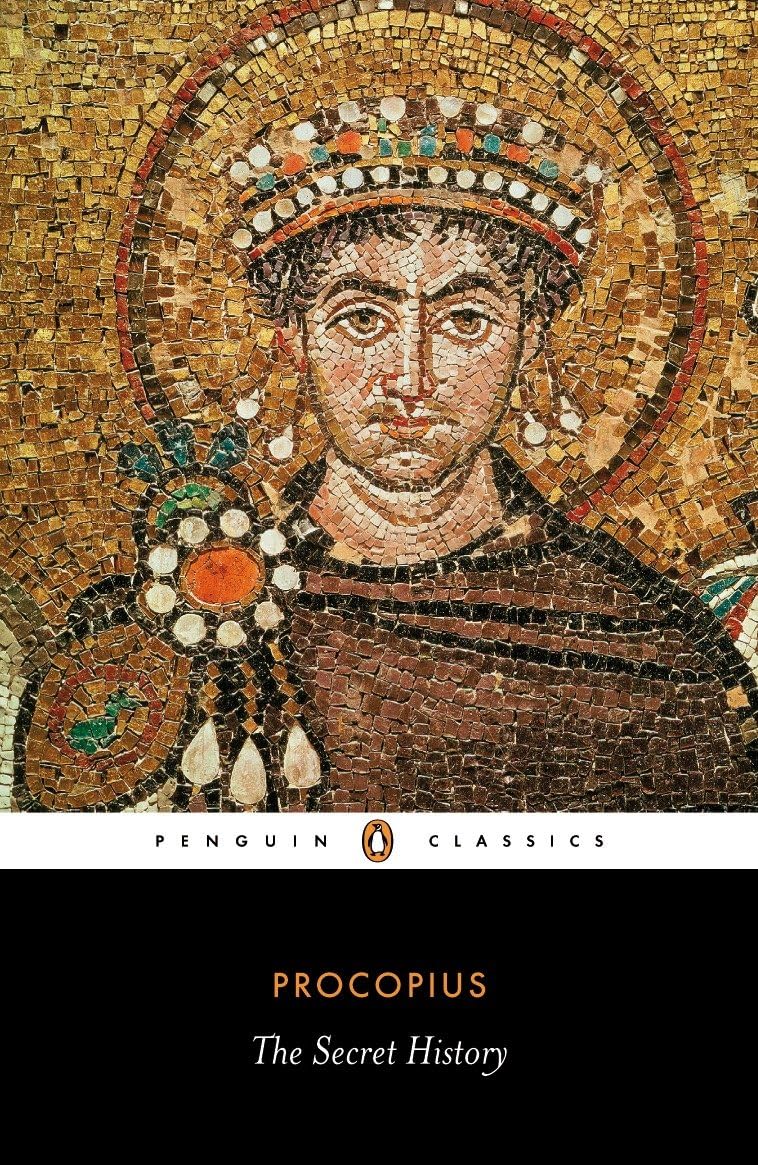
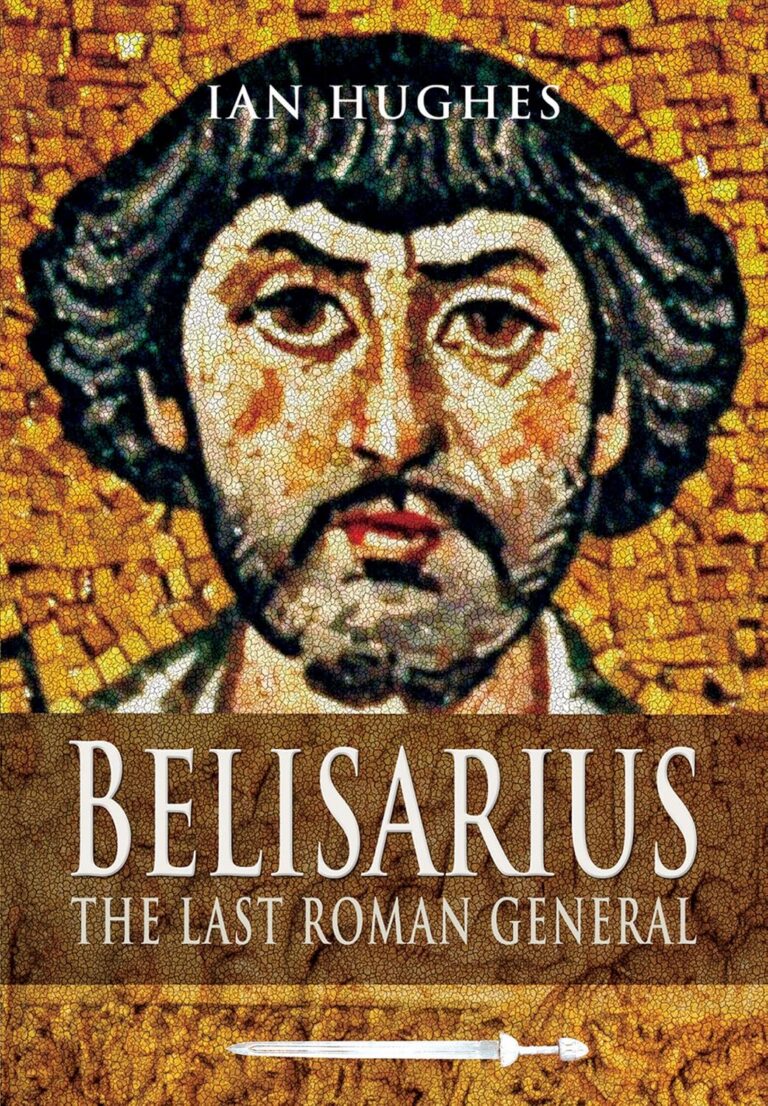
Robert Graves’ Count Belisarius presents Justinian I through his uneasy relationship with the general whose victories recovered North Africa and much of Italy, setting military success against suspicion at the imperial court. Ross Laidlaw’s Justinian places the emperor himself at the centre of the Nika revolt, legal reform, religious conflict and the ambitions shared with Theodora. Ian Hughes’ Belisarius assesses Justinian as the ruler who repeatedly deployed his most famous commander across Persian, Vandal and Gothic wars. Nick Holmes’ Justinian’s Empire examines the reign as a whole, including reconquest, law, building, plague and the financial cost of imperial ambition. Procopius’ The Secret History offers the hostile insider tradition, depicting Justinian and Theodora in sharply different terms from the official histories of the same court.