Books
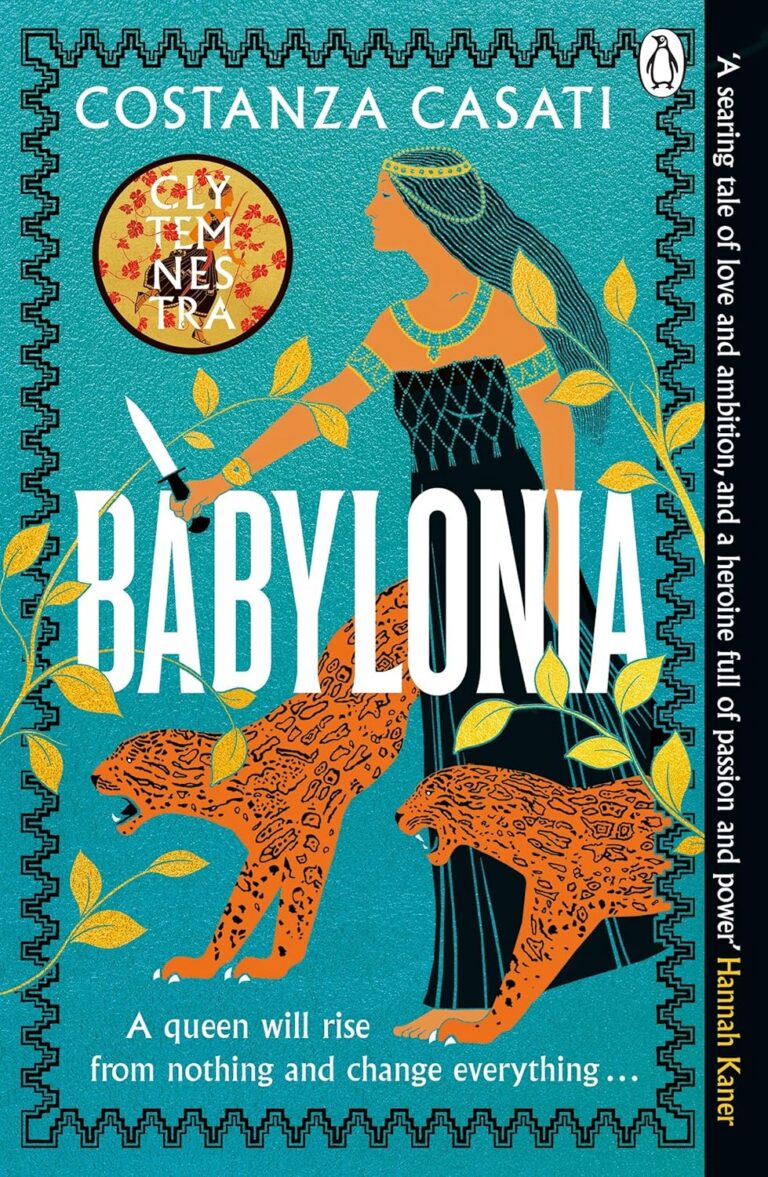
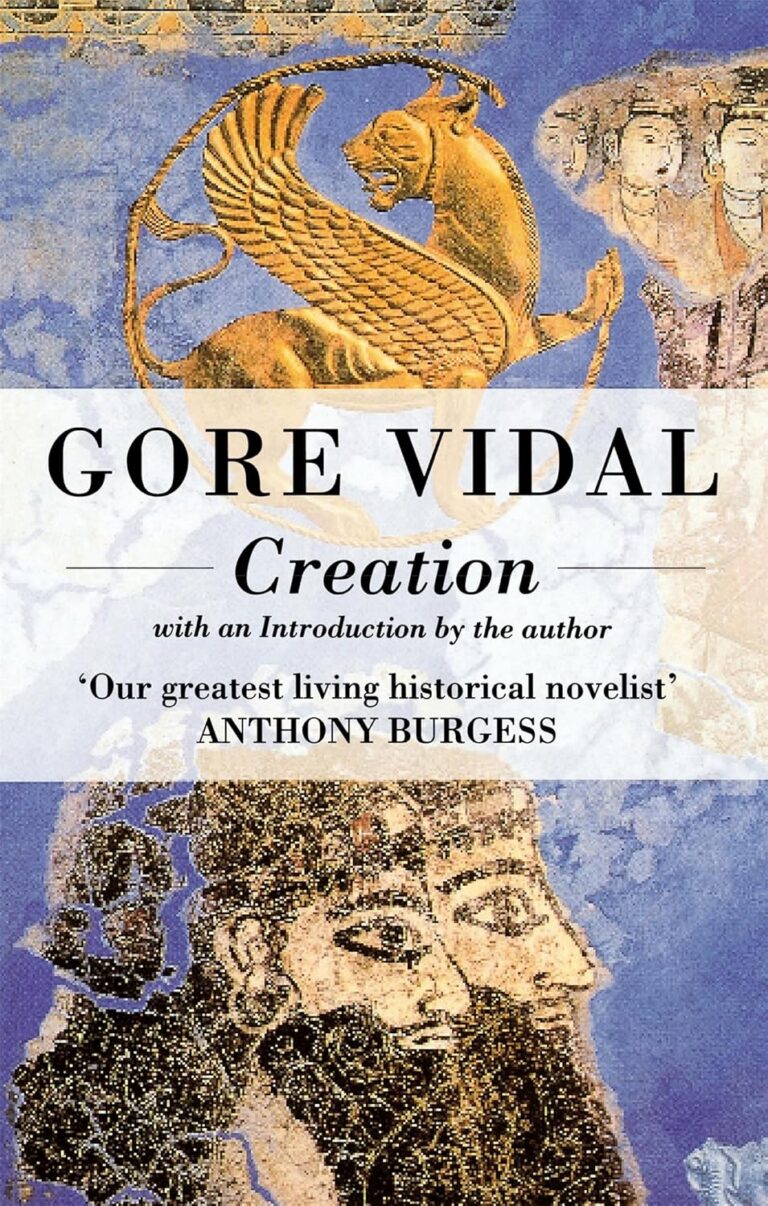
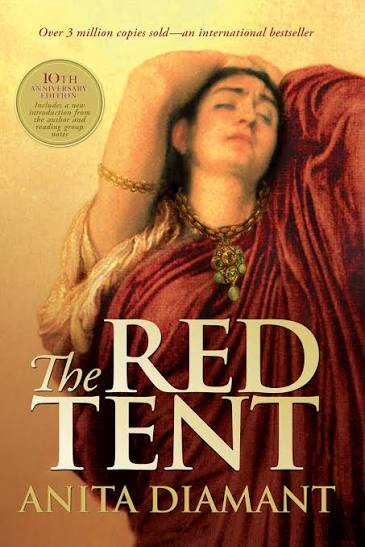
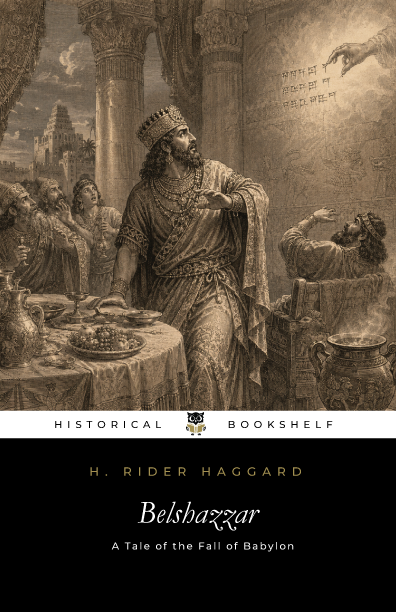
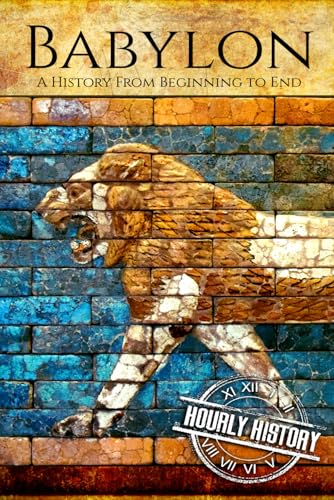

As an Amazon Associate I earn from qualifying purchases. Affiliate disclosure.
Period
c. 3500–539 BCE
Mesopotamia was the river-land between the Tigris and Euphrates where some of the earliest cities, writing systems and kingdoms developed. Sumerian city-states, Akkadian rulers, Babylonian lawgivers and Assyrian kings all belonged to this long civilisational zone. It was not one continuous state, but a shifting landscape of cities, dynasties, temples, trade routes and armies.
Mesopotamia matters because it produced cuneiform writing, monumental kingship, law codes, epic literature and some of the earliest large-scale states. Its cities rose and fell through irrigation, trade, warfare and religious authority. Later empires repeatedly claimed Mesopotamian legitimacy because the region carried enormous cultural prestige.
Novels set in Mesopotamia are less common than Roman or Greek fiction, but the setting is useful for biblical-era stories, royal courts, merchants, scribes and conquered peoples. Gore Vidal’s Creation and several biblical historical novels draw on the wider world of Babylon and Persia. Mesopotamia also connects the worlds of Egypt and the Hebrew Bible with Assyria, Babylon and the Persian Empire.
Books
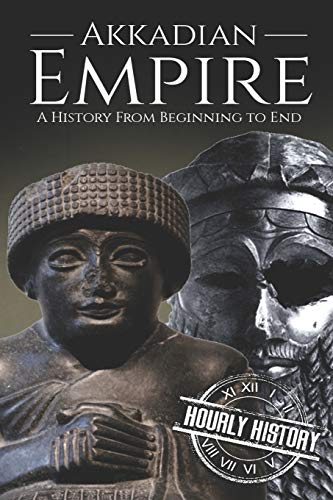
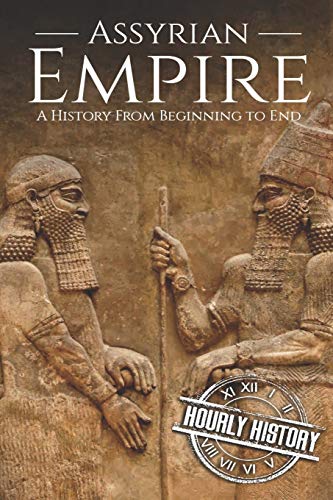
Non-Fiction
Histories, biographies and reference works are listed separately from the historical novels above.