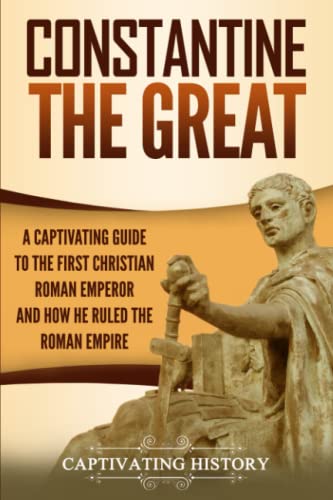
Constantine the Great was Roman emperor from the early fourth century and the first Roman emperor to embrace Christianity. He defeated imperial rivals, founded Constantinople and reshaped the religious and political landscape of the late Roman world.
Constantine the Great was born in Niš and died in Nicomedia. Constantine the Great also held the offices or ranks of Augustus, Caesar, and pontifex maximus. Constantine the Great belonged to the Constantinian dynasty and operated within Ancient Rome.
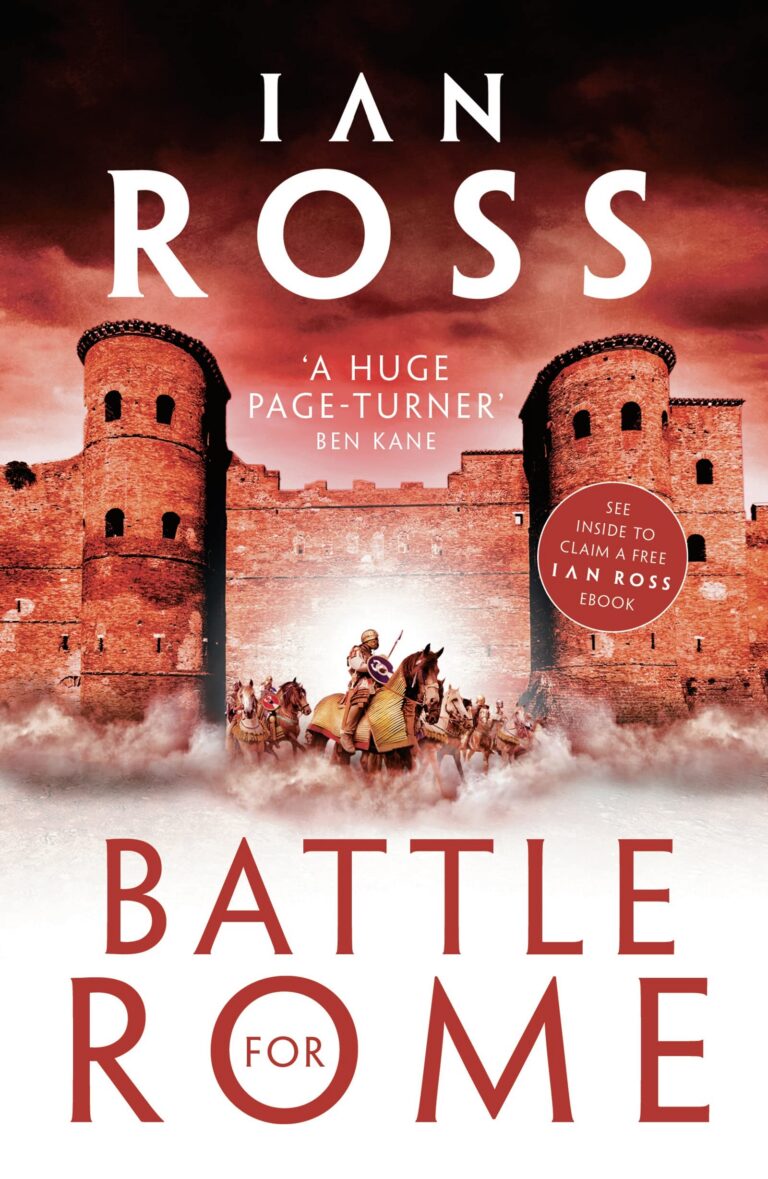
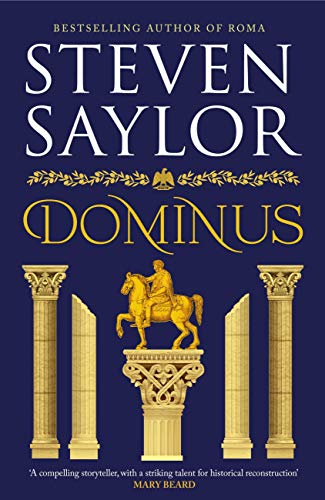
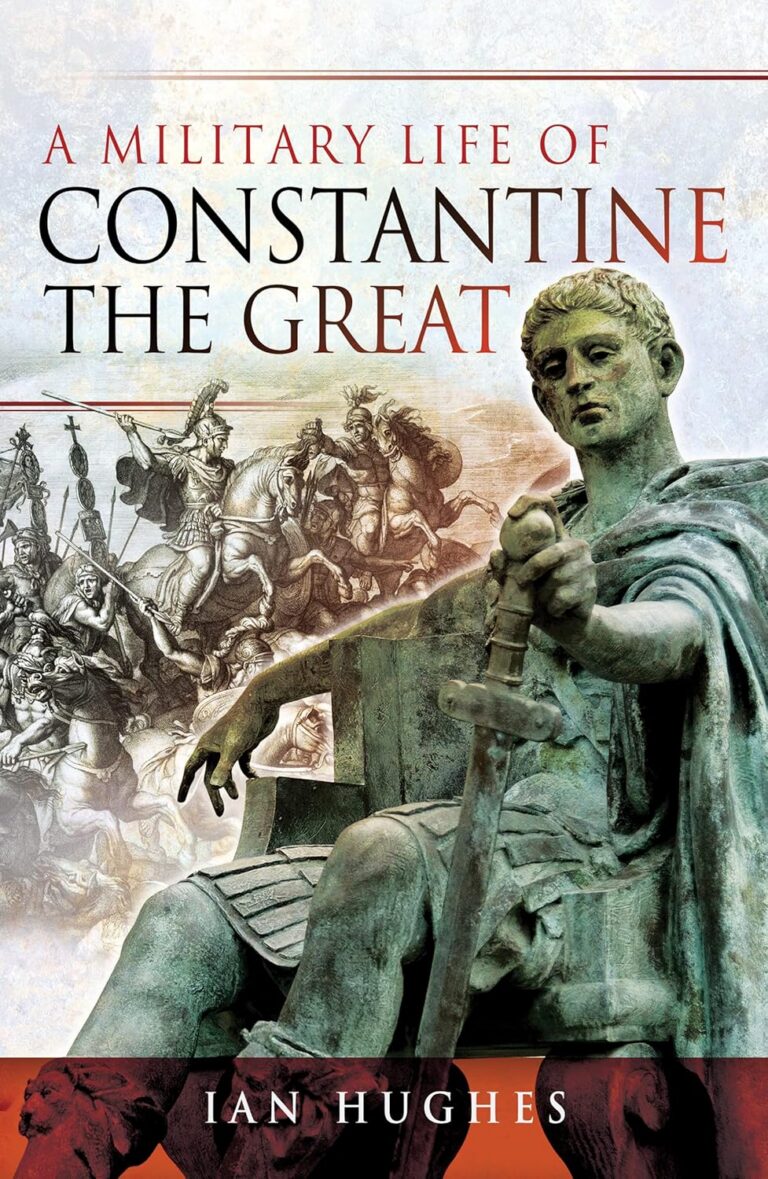
Ian Ross’s Battle for Rome follows Constantine’s invasion of Italy and drives toward the Milvian Bridge, where his defeat of Maxentius changes the balance of the western empire. Bryan M. Litfin’s Caesar’s Lord moves to Constantine’s final war with Licinius and then into the Council of Nicaea, violence inside the imperial family and the growing privileges of Christianity. Steven Saylor’s Dominus uses Constantine’s conversion and patronage as the culminating transformation in a multigenerational history of imperial Rome. In Litfin’s Every Knee Shall Bow, Christians seek the emperor’s support for major churches and an authorised body of scripture, making his religious policy part of the plot. Ian Hughes’s A Military Life of Constantine the Great reconstructs the campaigns, civil wars and Tetrarchic rivalries through which Constantine actually secured sole power.