c. 5th century–565
Procopius was a sixth-century Byzantine historian who served with Belisarius. His Wars describes campaigns against Persia, Vandals and Ostrogoths, while the Buildings praises Justinian and the Secret History attacks the imperial court with extraordinary bitterness.
Procopius served as legal adviser and secretary to Belisarius and accompanied the general during campaigns against Persia, the Vandals in North Africa and the Ostrogoths in Italy. This proximity to senior commanders and the imperial court gave him unusually direct knowledge of Justinian’s wars and government. The sharply different tones of his surviving works have long attracted debate: the Wars is comparatively analytical, Buildings presents an official celebration of Justinian’s programme, while the Secret History offers a fiercely hostile portrait of the emperor and Theodora.
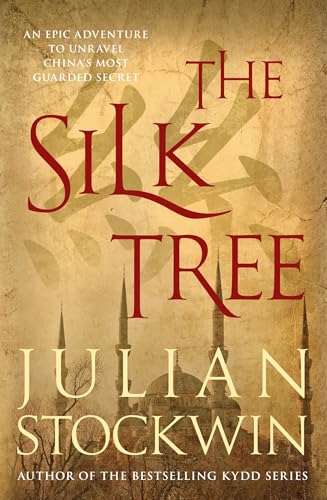
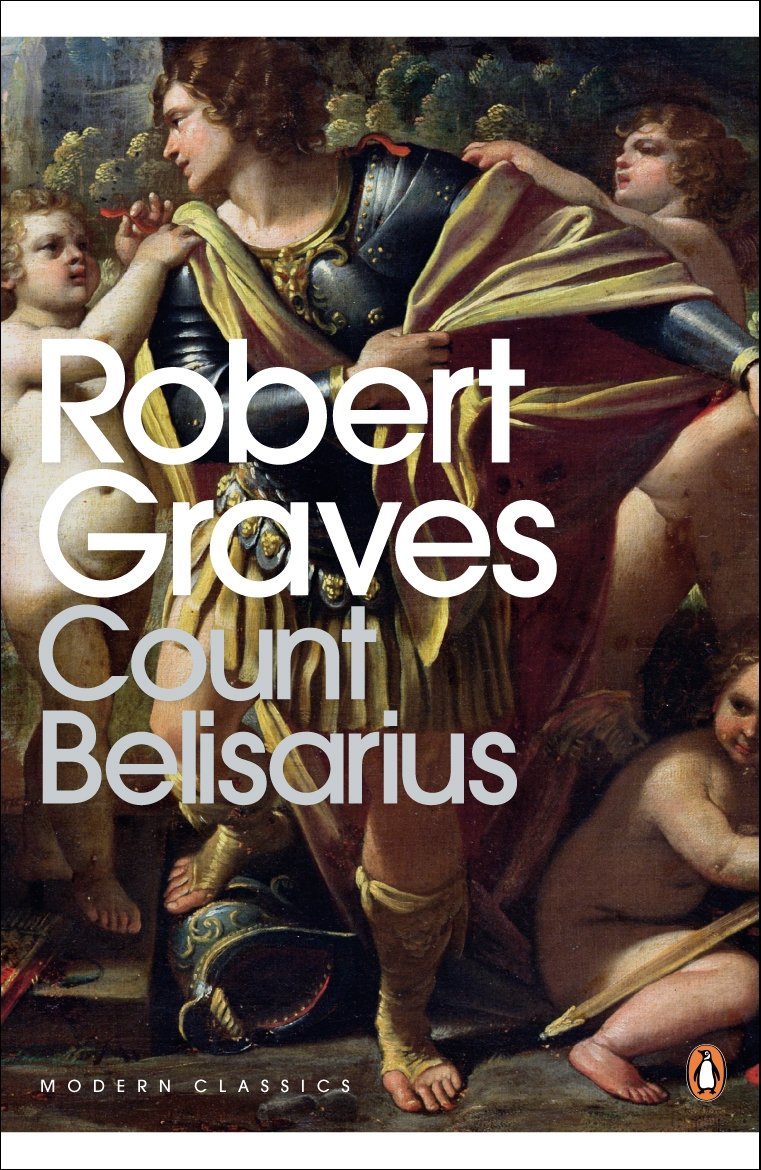
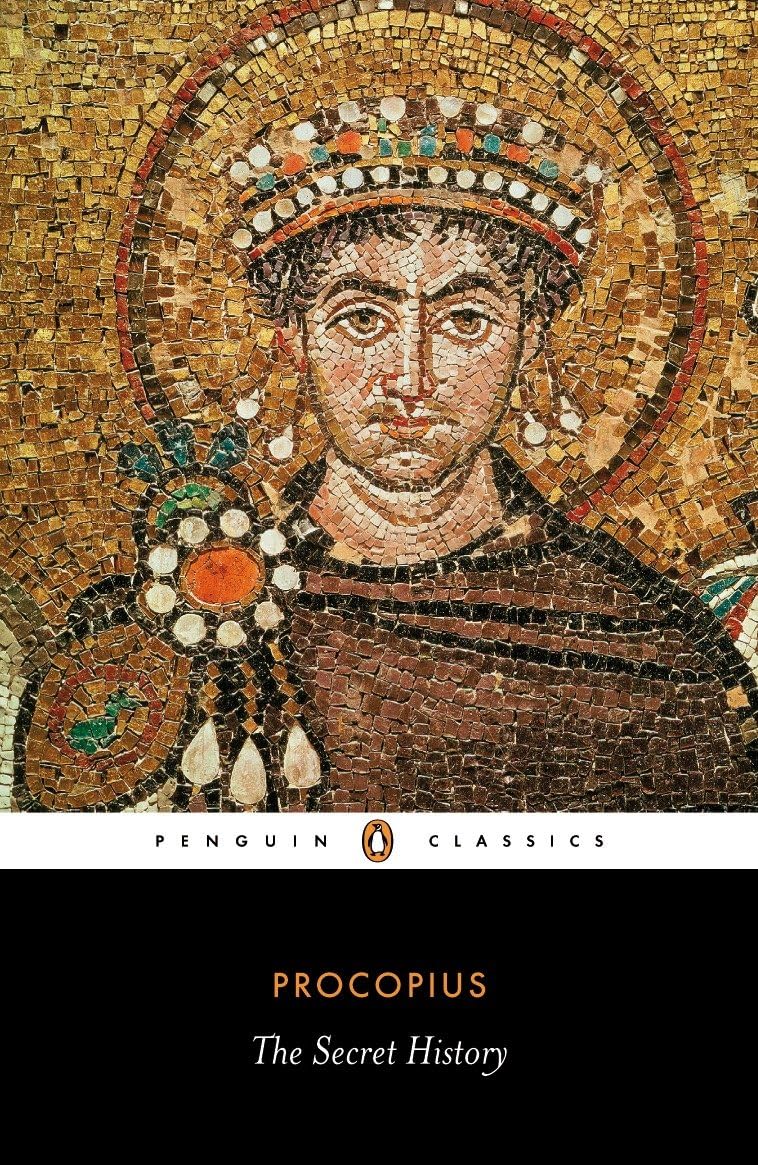
H. N. Turteltaub’s Justinian places Procopius within the court and military world of Justinian I, whose reconquests, taxation, religious policy and building programme he recorded in competing public and private voices. Justinian’s Empire uses Procopius as a major source for Belisarius’s campaigns, the Nika riots and the contested reputations of Justinian and Theodora. In Procopius’s own The Secret History, that tension becomes explicit in a savage account of the emperor, empress and their leading general. Robert Graves’s Count Belisarius draws heavily on Procopius’s histories while turning the Gothic and Vandal wars into fiction centred on the commander he served. The Silk Tree moves into Justinian’s Constantinople and the legendary acquisition of silkworms, recreating the imperial world Procopius described even though its protagonists are invented.