Umar ibn al-Khattab was a close companion of Muhammad and became the second caliph of the Rashidun community in 634. During his ten-year rule Muslim armies conquered large parts of the Byzantine and Sasanian empires, including Syria, Egypt, Iraq and Persia.
Umar is also associated with the development of administrative practices needed to govern rapidly expanding territories, including garrison settlements, registers and fiscal arrangements. He was stabbed by an enslaved Persian man in Medina in 644 and died from his wounds.
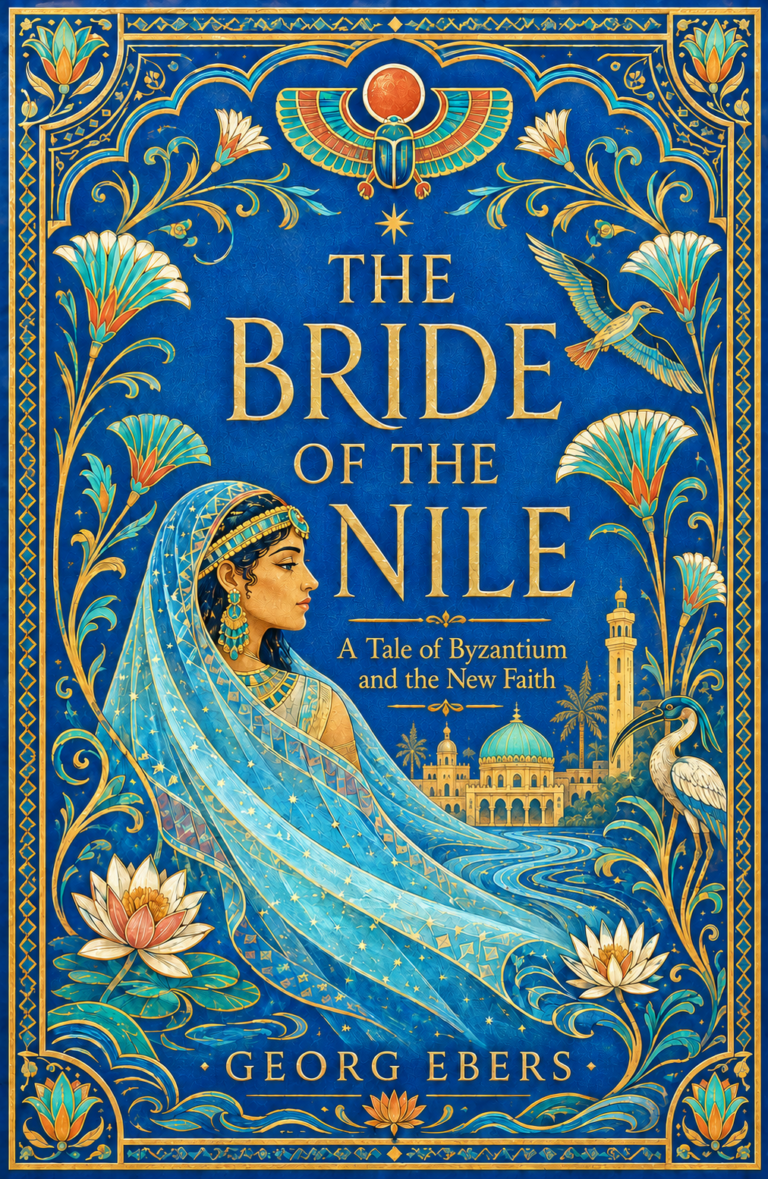
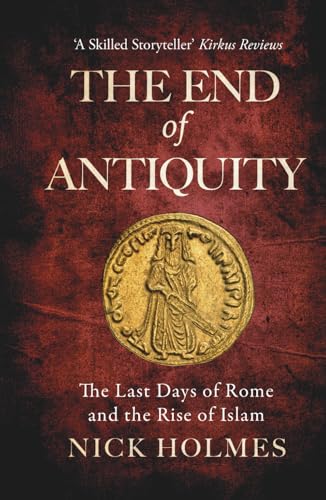
Georg Ebers’ The Bride of the Nile sets its Egyptian story under the authority of Caliph Umar, with Amr ibn al-As governing a society where Coptic Christianity, Byzantine memory and the new Muslim administration meet. Nick Holmes’ The End of Antiquity explains the wider transformation behind that setting: after the Roman-Sasanian war exhausted both empires, the conquests carried out during Umar’s caliphate removed Syria, Egypt and much of the Near East from older imperial control.