Historical person
Muhammad
Muhammad was the Arabian religious and political leader whose preaching in the early seventh century formed the basis of Islam. According to Islamic tradition he began receiving revelations in Mecca around 610; opposition there led him and his followers to migrate to Medina in 622, the Hijra.
From Medina Muhammad became the leader of a growing religious community and political coalition that eventually gained control of Mecca and much of Arabia. He died in 632, leaving a community united by the Qur’anic revelations and by institutions that his successors developed into the early caliphate.
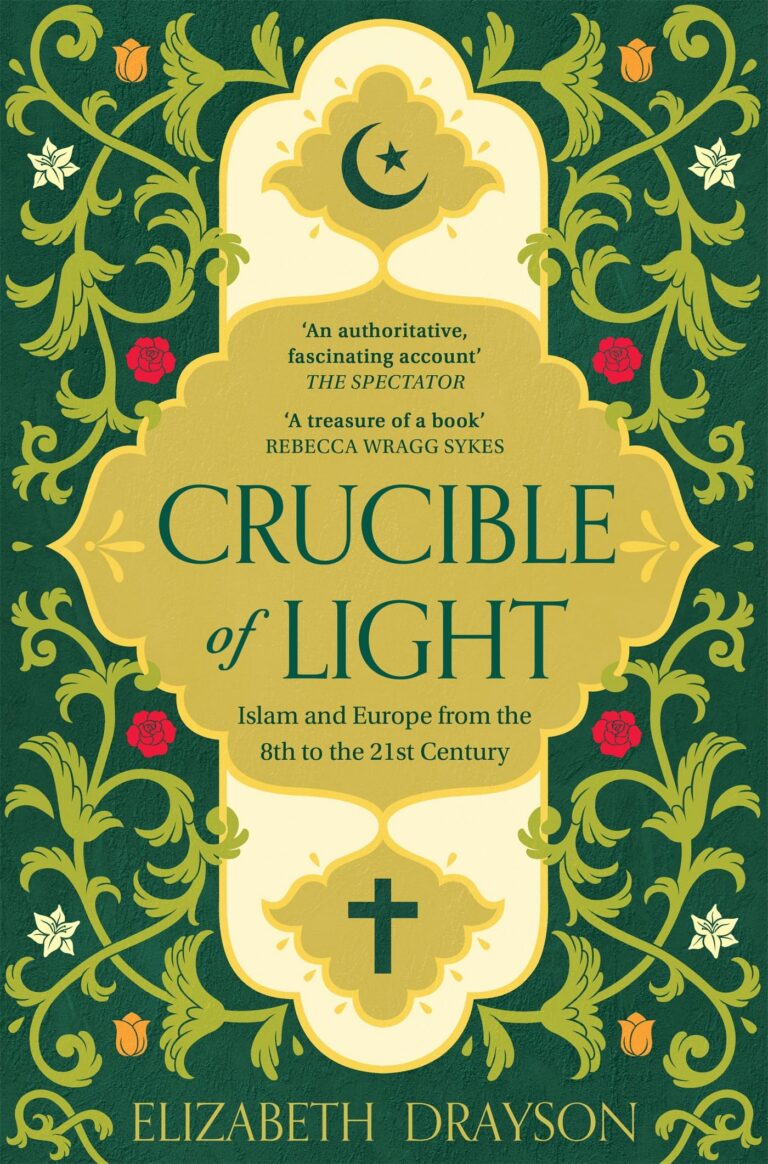
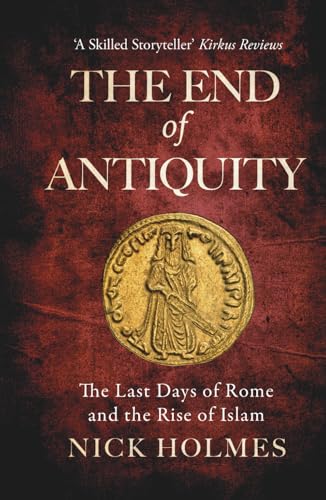
Elizabeth Drayson’s Crucible of Light begins its long history of Islamic–European contact with Muhammad and the emergence of Islam in seventh-century Arabia, then follows the religious, political and cultural worlds created by the early Muslim community. Nick Holmes’ The End of Antiquity places Muhammad at the turning point between the exhausted Roman–Sasanian wars and the Arab conquests that followed his death, using the rise of Islam to explain why the political geography of the eastern Mediterranean and Near East changed so rapidly in the seventh century.
Non Fiction
Non Fiction featuring Muhammad (2 books)
Biographies, histories and other non-fiction are listed separately from the historical novels above.