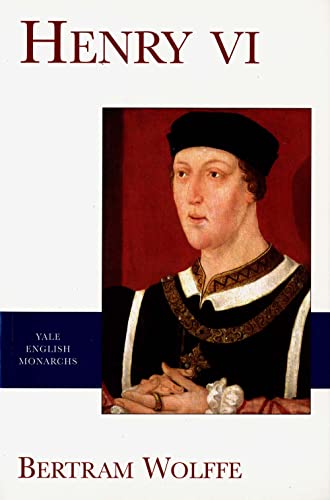
Henry VI inherited the English throne as an infant in 1422 and was later crowned king of France, but his government lost most of the territories conquered by Henry V. Personally devout and interested in education, he suffered periods of mental incapacity that intensified factional struggles. His marriage to Margaret of Anjou and the rival claim of Richard of York helped trigger the Wars of the Roses. Henry was deposed, briefly restored and killed in the Tower in 1471.
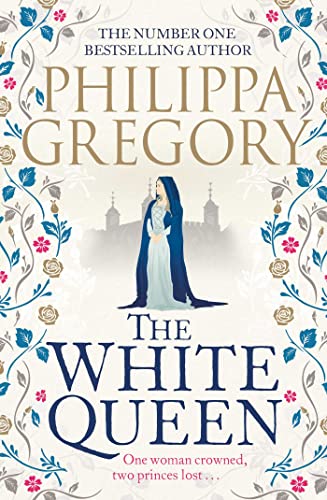
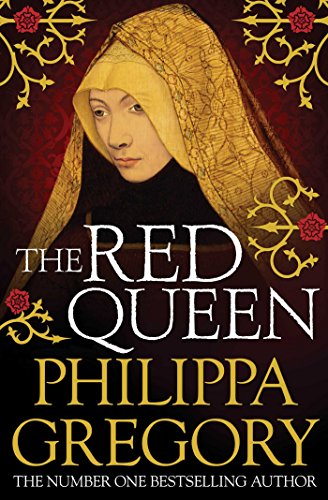
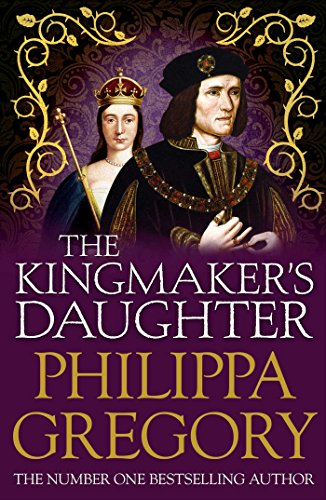
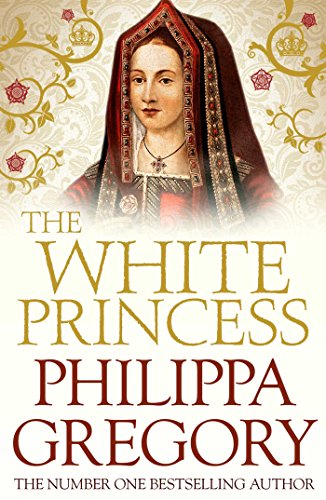
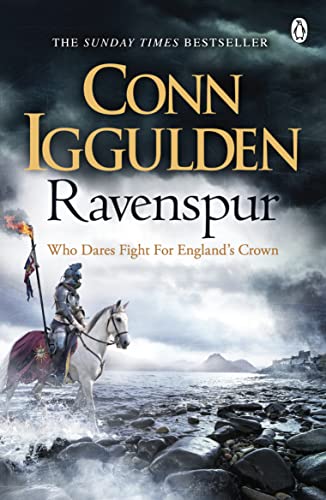
Henry is central to Conn Iggulden’s Wars of the Roses series and appears throughout Philippa Gregory’s Cousins’ War novels. Fiction often portrays him as saintly and gentle but disastrously unsuited to kingship. That interpretation reflects real religious devotion, yet it can understate the institutional problems, military defeats and ambitious political networks surrounding the crown.
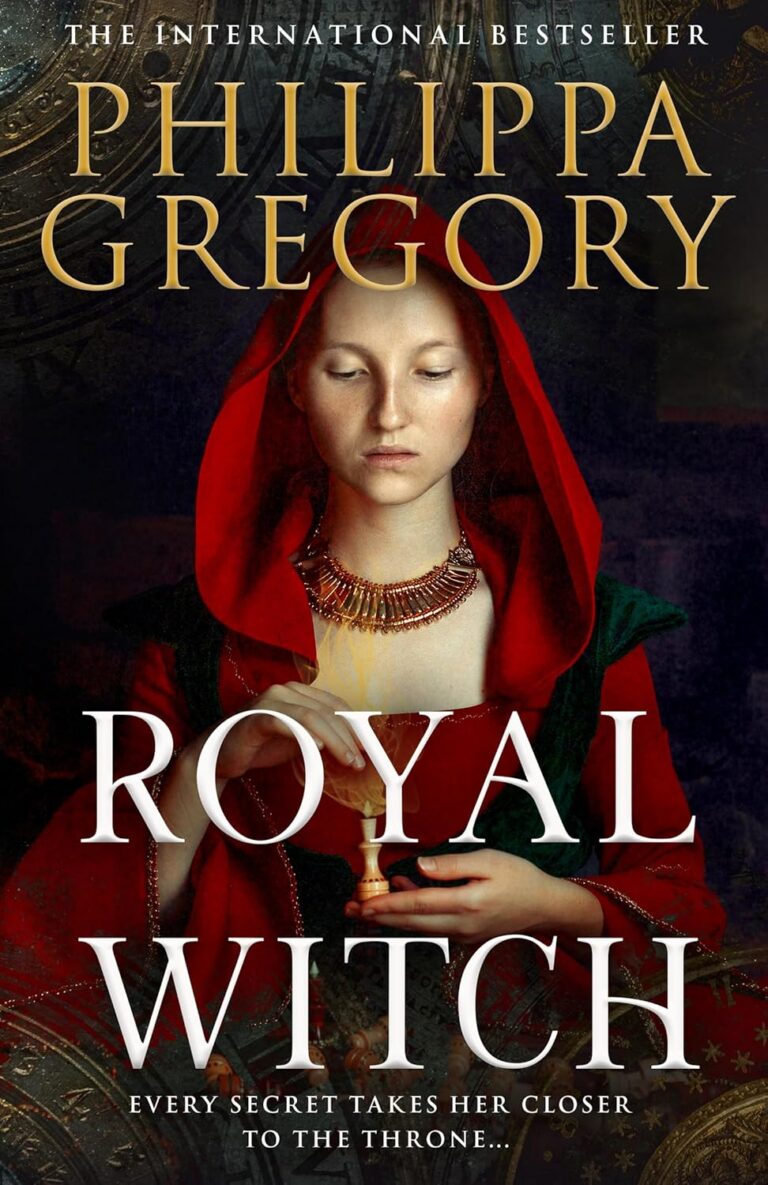
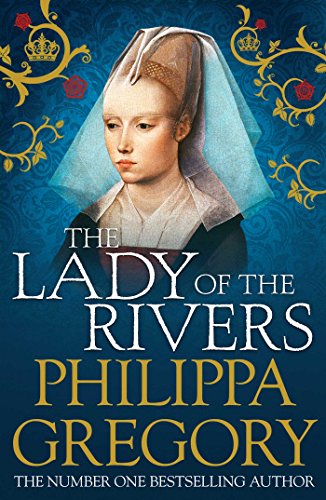
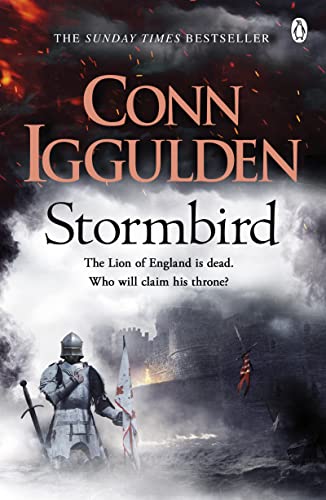
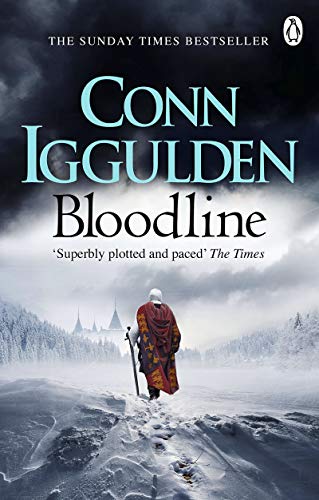
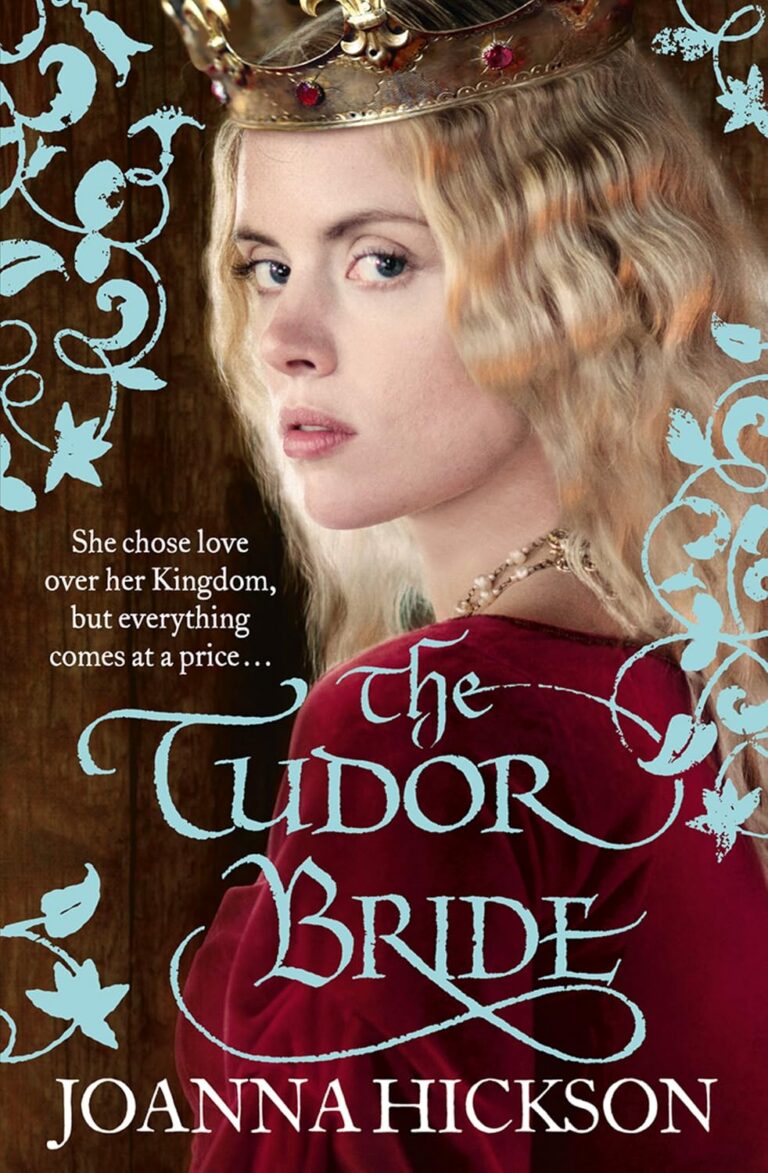
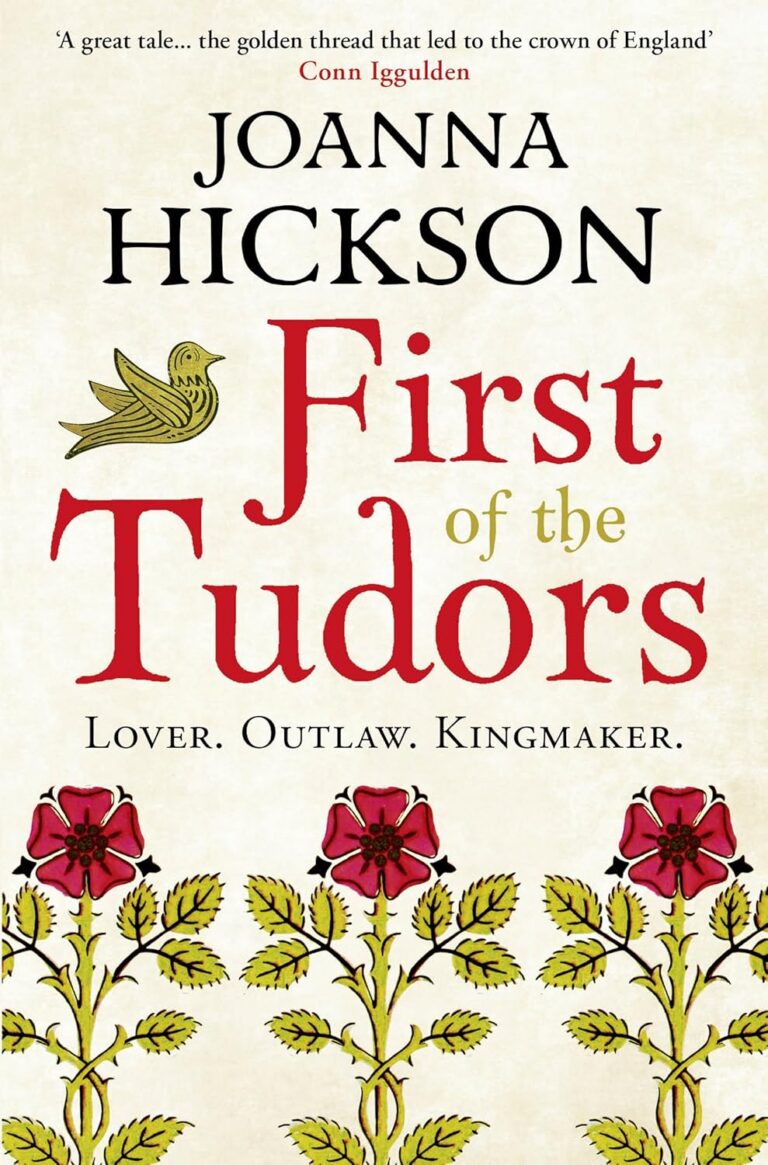
In Conn Iggulden’s Stormbird, after Henry V’s death, England is ruled by his gentle and politically vulnerable son Henry VI, whose advisers struggle to preserve English possessions in France. In Joanna Hickson’s First of the Tudors, Jasper Tudor and his brother Edmund, sons of Catherine of Valois and Owen Tudor, are drawn into the court of their half-brother Henry VI. Other novels featuring Henry VI include David Field’s Tudor Dawn, Philippa Gregory’s Royal Witch, Philippa Gregory’s The Lady of the Rivers, Joanna Hickson’s The Tudor Bride, and Conn Iggulden’s Bloodline.
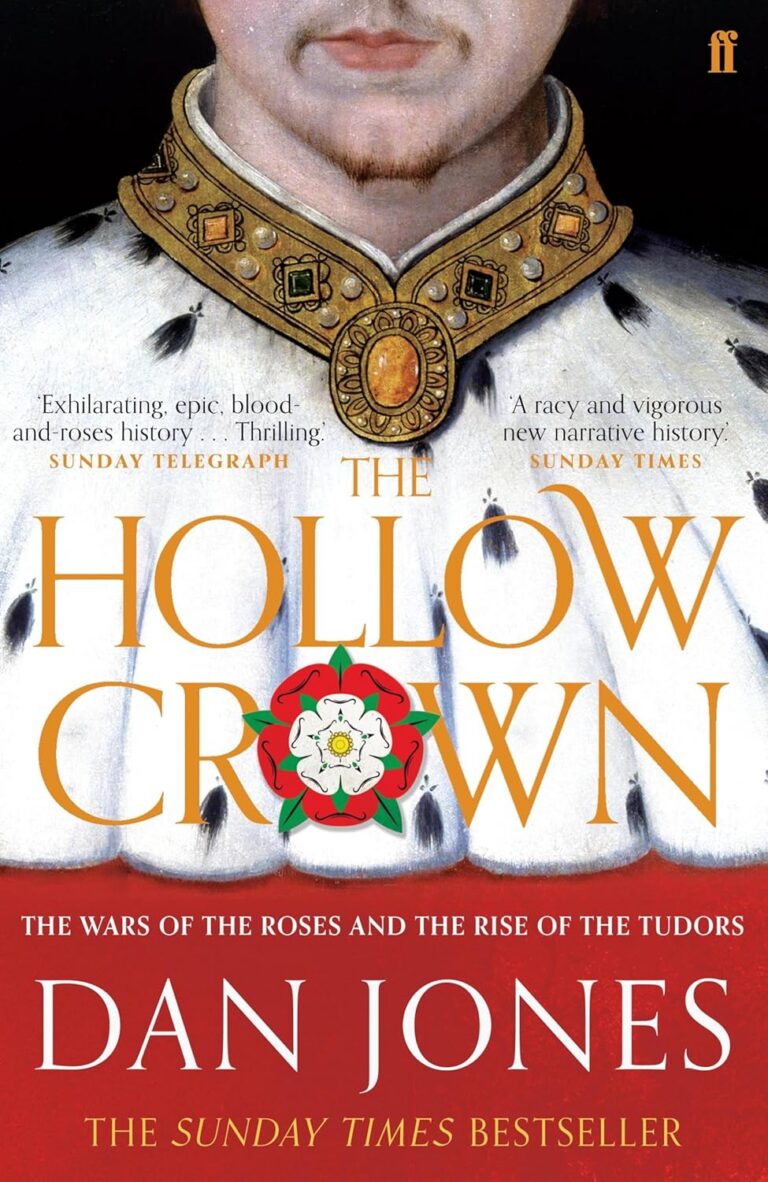
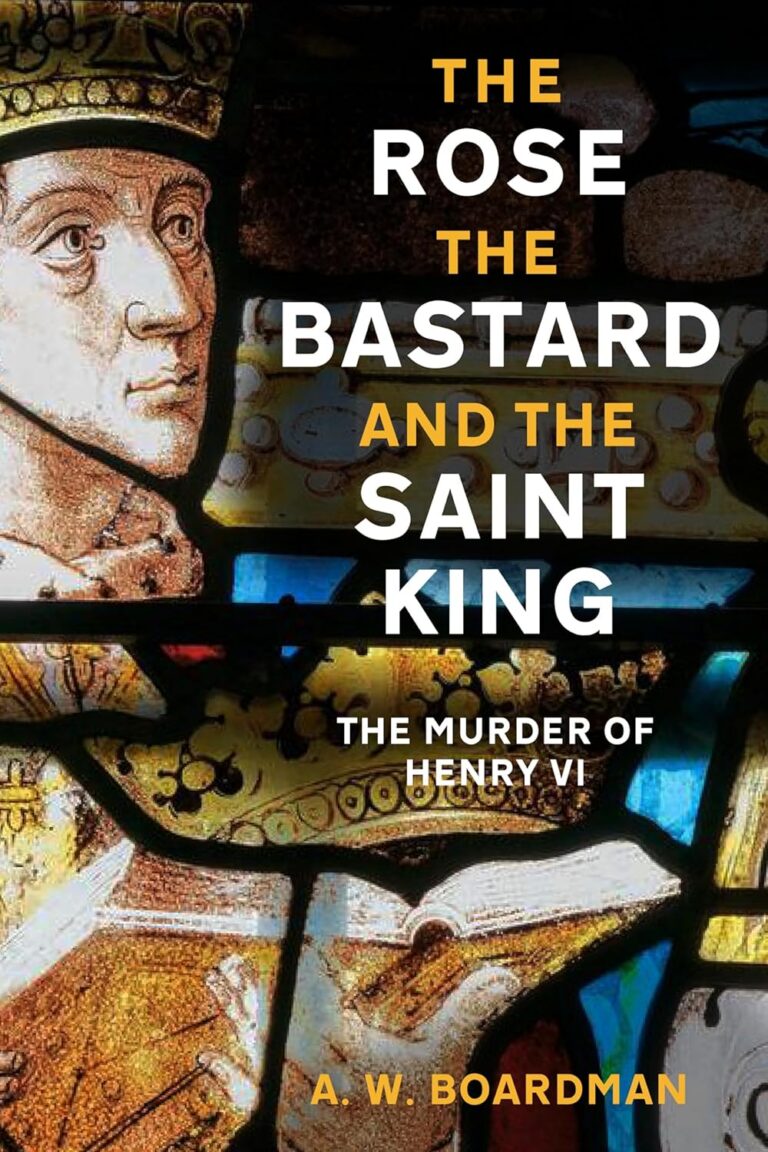
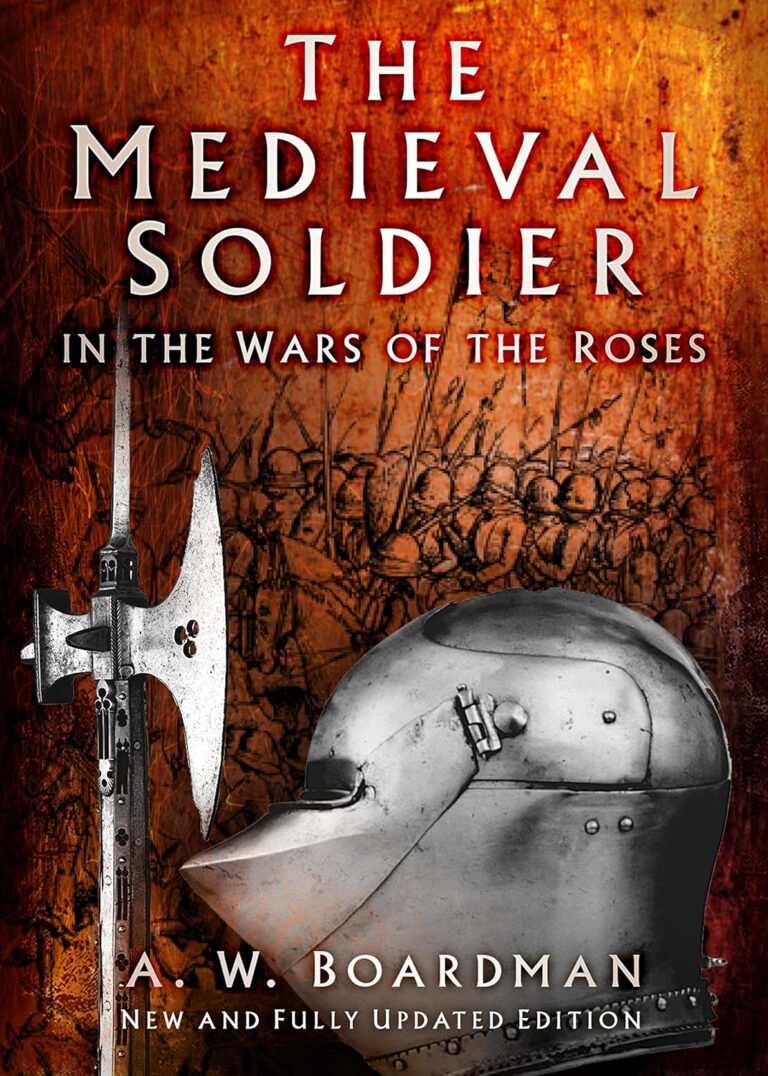
In non-fiction, Henry VI is discussed in A. W. Boardman’s St Albans 1455, Dan Jones’s The Hollow Crown, A. W. Boardman’s The Rose, the Bastard and the Saint King, A. W. Boardman’s Towton 1461, and A. W. Boardman’s The Medieval Soldier in the Wars of the Roses. In A. W. Boardman’s St Albans 1455, the confrontation grew from Henry VI’s unstable government, the rivalry between York and the Duke of Somerset, and regional feuds involving the Neville and Percy families.