Edward of Woodstock, later known as the Black Prince, was the eldest son of Edward III and Philippa of Hainault and the leading English prince of the early Hundred Years’ War. As a teenager he commanded one division of the English army at Crécy in 1346, and in 1356 he won a spectacular victory at Poitiers, capturing King John II of France. His reputation was built around aggressive campaigning, aristocratic warfare and the chivalric culture of Edward III’s court.
Created Prince of Aquitaine in 1362, Edward attempted to govern the enlarged English territories in south-western France but faced financial strain and political resistance. His intervention in the Castilian civil war won the battle of Nájera in 1367 but worsened his finances and health. The sack of Limoges in 1370 became one of the most controversial episodes associated with his rule. Illness forced his return to England, and he died in 1376, a year before his father, leaving his young son Richard as heir.
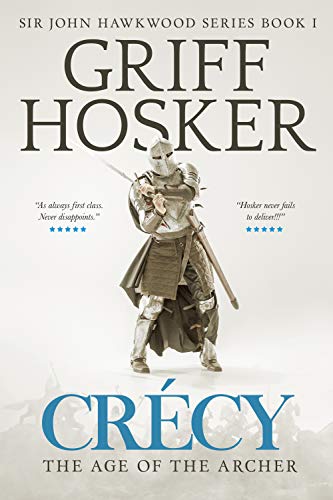
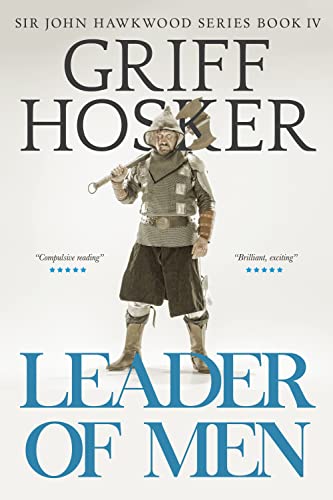
The Black Prince appears across a large group of linked Hundred Years’ War novels, including Bernard Cornwell’s Harlequin, Vagabond, Heretic and 1356, David Gilman’s Master of War sequence, and novels by Michael Jecks, Griff Hosker and Christian Cameron. The linked non-fiction by Gordon Corrigan, Michael Livingston, Dan Jones and Richard Woodman examines Crécy, Poitiers and the wider Plantagenet war in which Edward built his reputation.