Series
Series about Black Death (1 series)
Matthew Bartholomew in Order
The Matthew Bartholomew chronicles follow a physician and teacher at Michaelhouse in fourteenth-century Cambridge. Beginning with the arrival of the Black Death in 1348, the series places Bartholomew and his formidable friend Brother Michael inside a university community divided by college rivalries, religious disputes, fragile civic authority and…
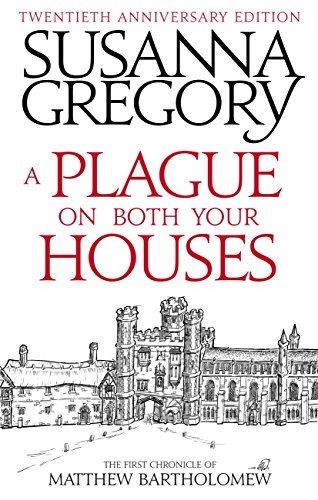
1. A Plague on Both Your Houses
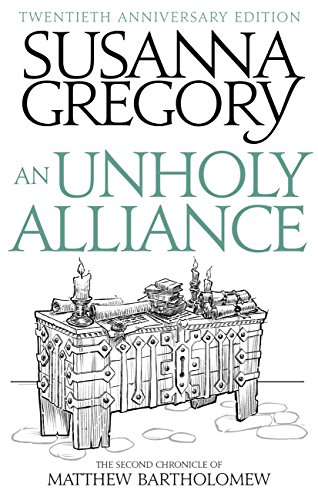
2. An Unholy Alliance
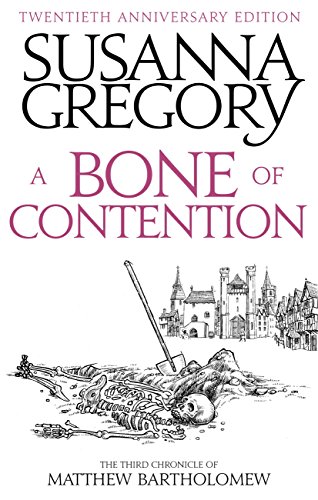
3. A Bone of Contention
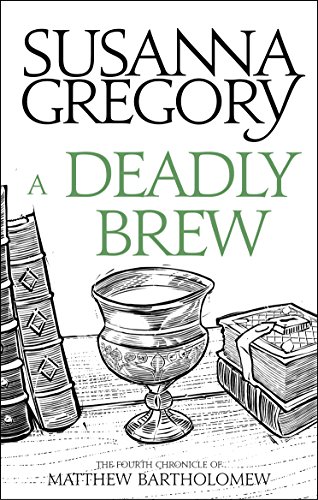
4. A Deadly Brew
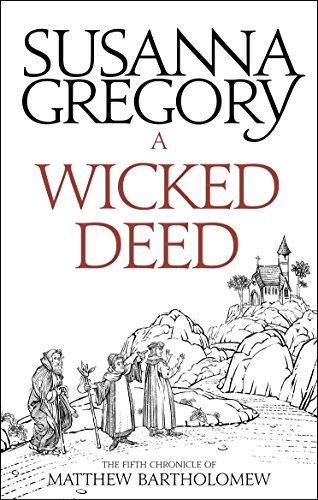
5. A Wicked Deed
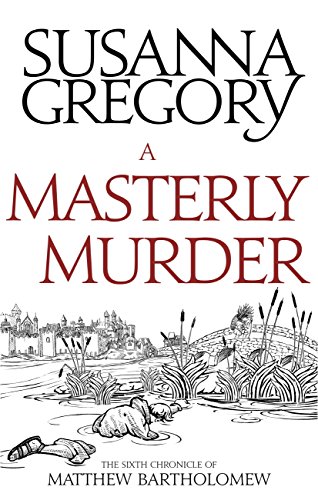
6. A Masterly Murder
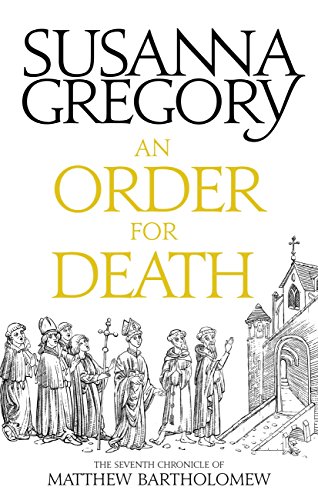
7. An Order for Death
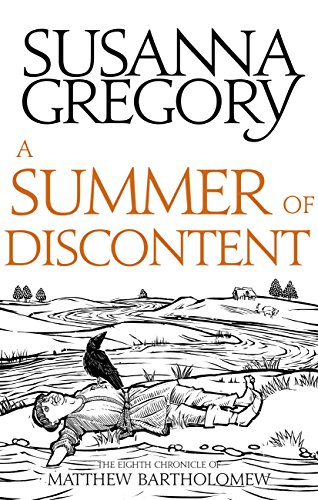
8. A Summer of Discontent
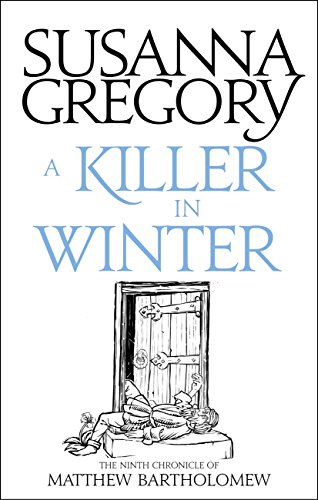
9. A Killer in Winter
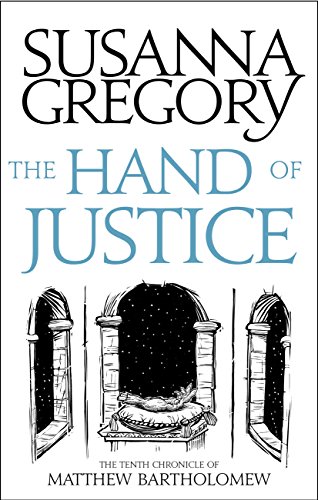
10. The Hand of Justice
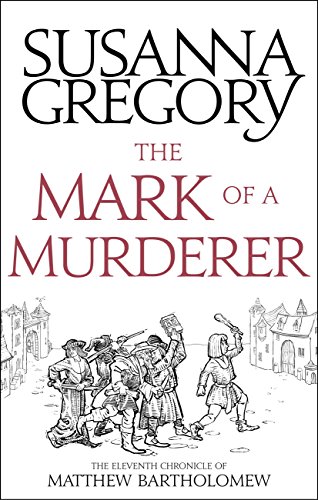
11. The Mark of a Murderer
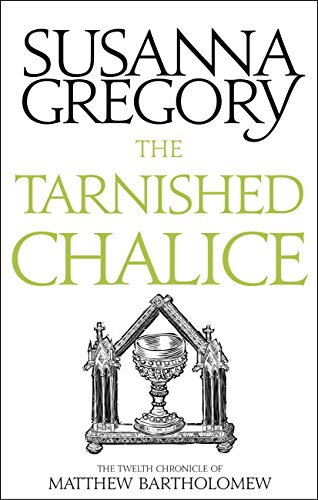
12. The Tarnished Chalice
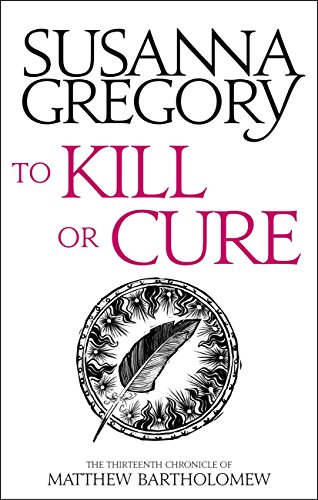
13. To Kill or Cure
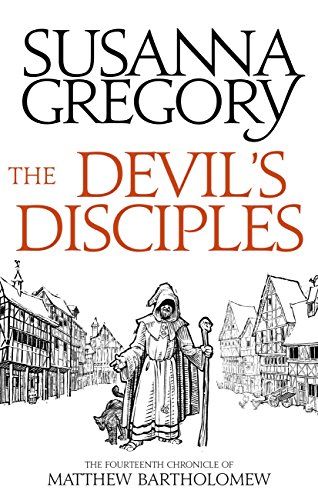
14. The Devil’s Disciples
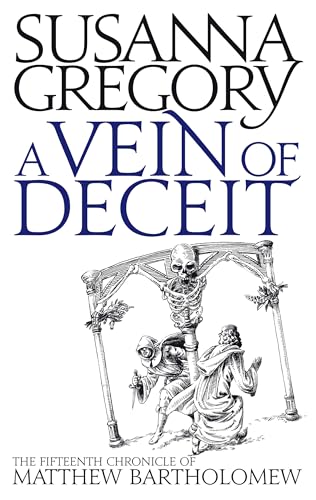
15. A Vein of Deceit
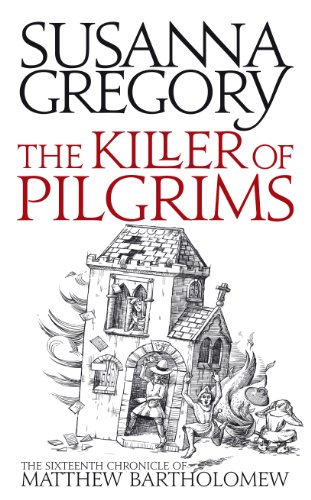
16. The Killer of Pilgrims
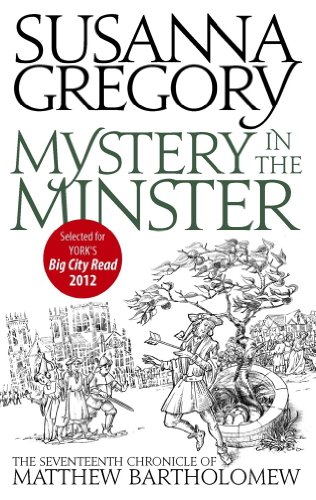
17. Mystery in the Minster
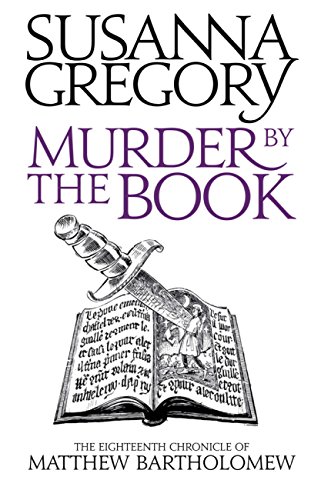
18. Murder by the Book
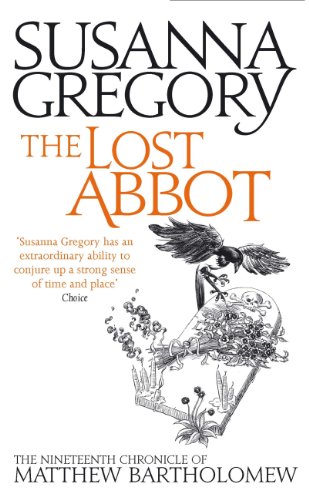
19. The Lost Abbot
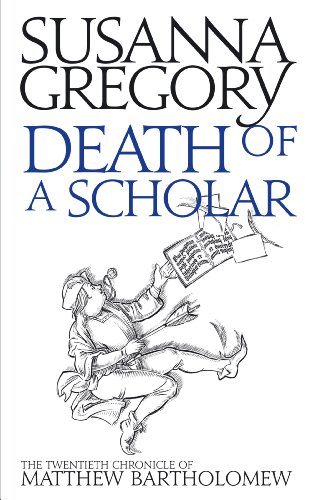
20. Death of a Scholar
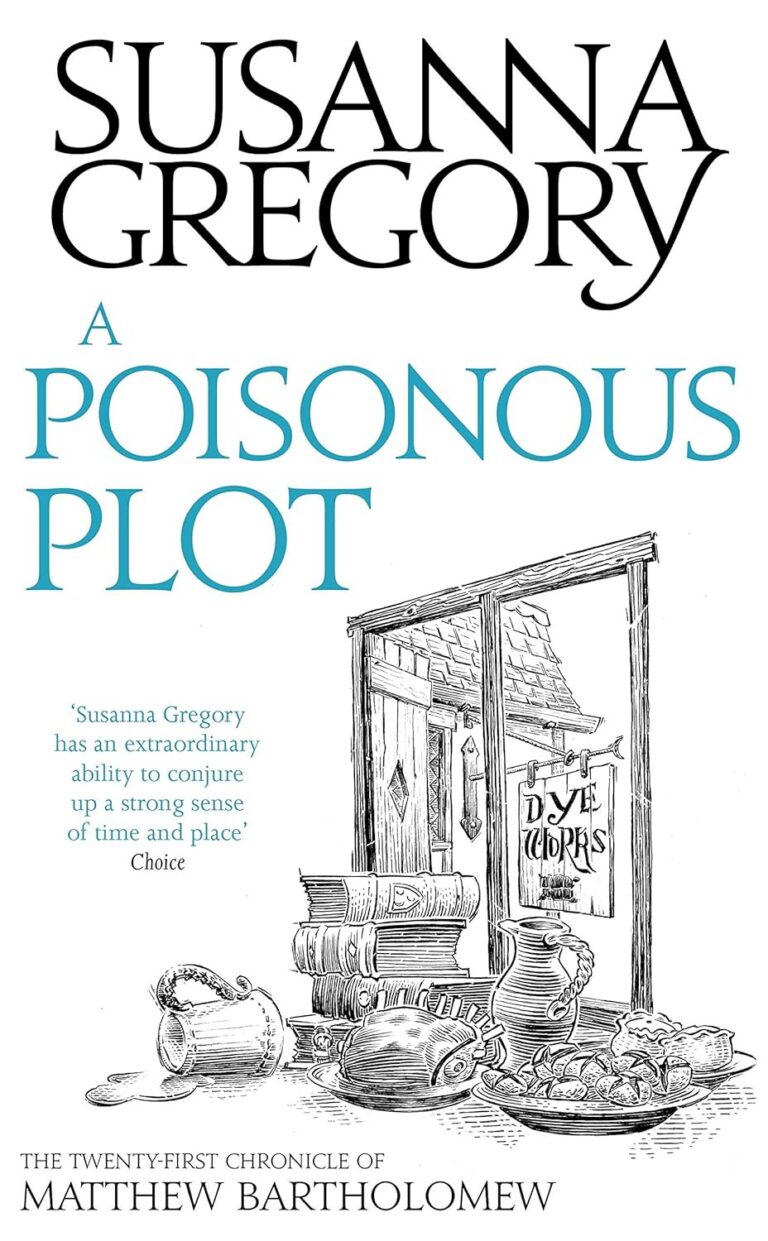
21. A Poisonous Plot
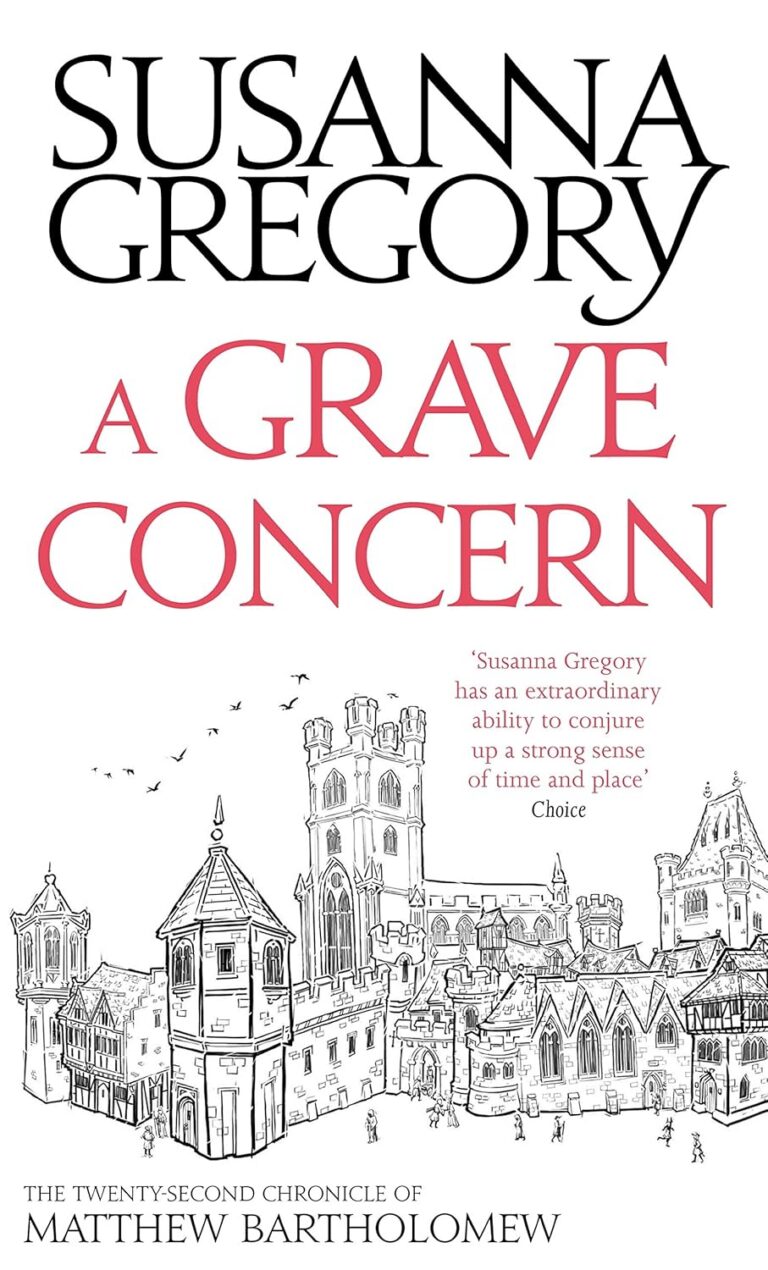
22. A Grave Concern
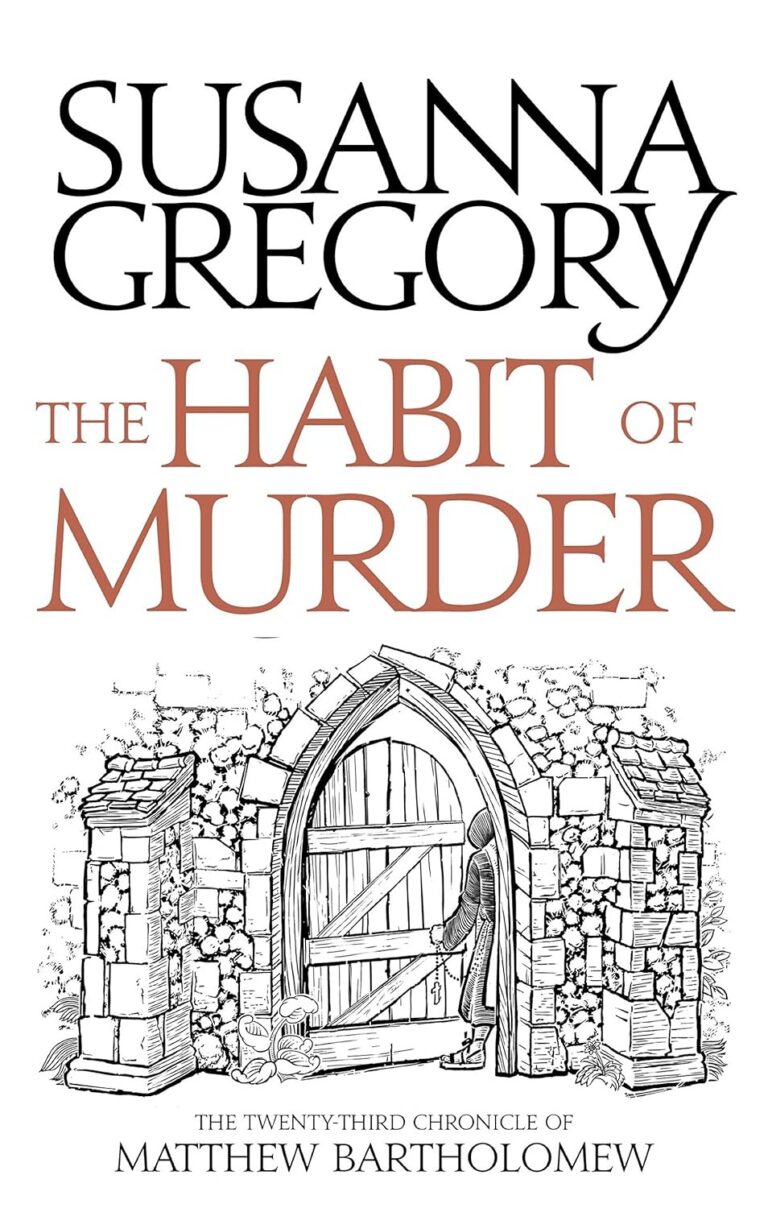
23. The Habit of Murder
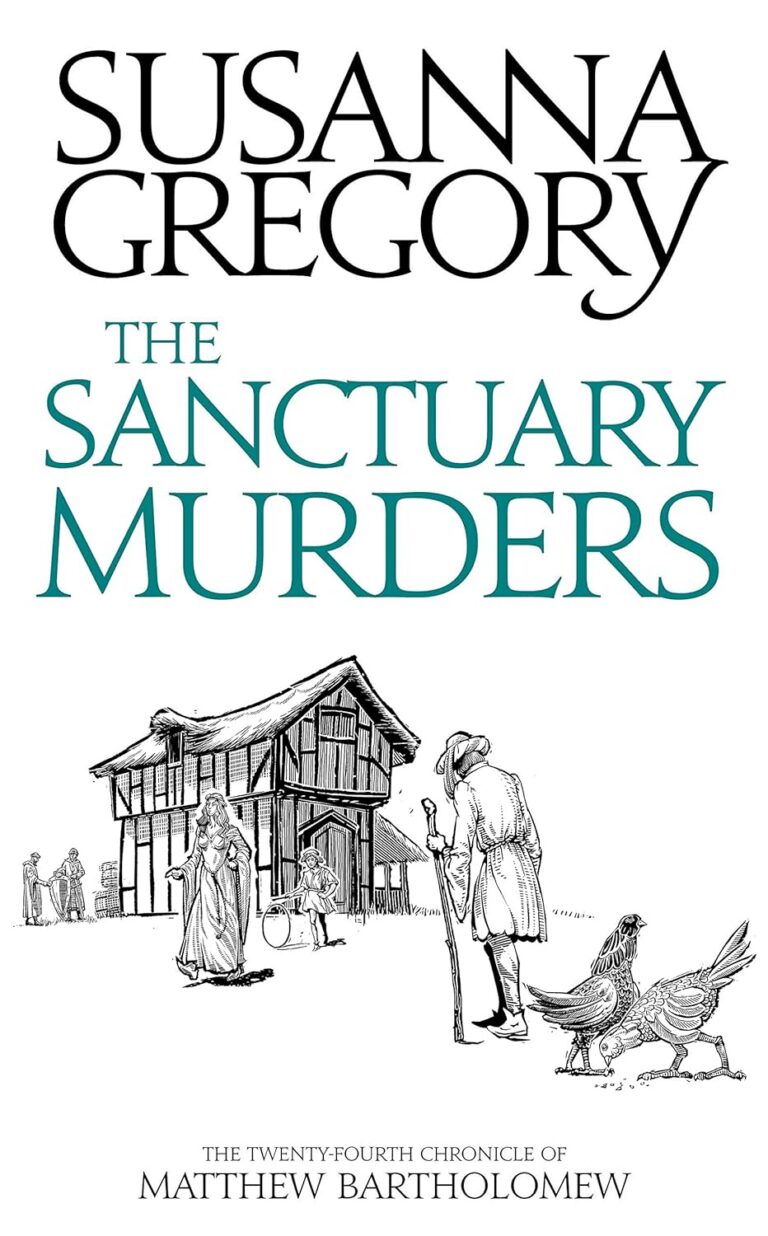
24. The Sanctuary Murders