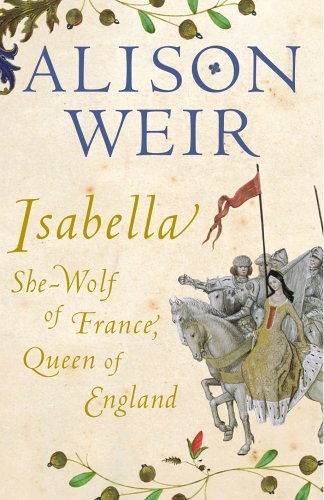
Isabella of France was queen consort of Edward II of England and later a central figure in his overthrow. Her alliance with Roger Mortimer and invasion of England in 1326 created one of the most dramatic political crises of the medieval English monarchy.
Isabella's marriage to Edward II deteriorated amid the king's reliance on favourites and conflict with the English nobility. While in France she allied with Roger Mortimer, invaded England in 1326 and helped force Edward's deposition in favour of their son Edward III. Isabella and Mortimer then dominated the government until Edward III seized power in 1330; Mortimer was executed and Isabella withdrew from direct rule, though she remained a wealthy royal dowager.
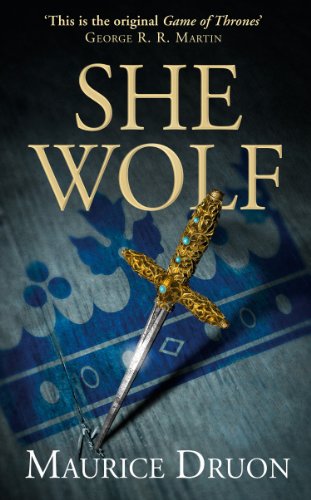
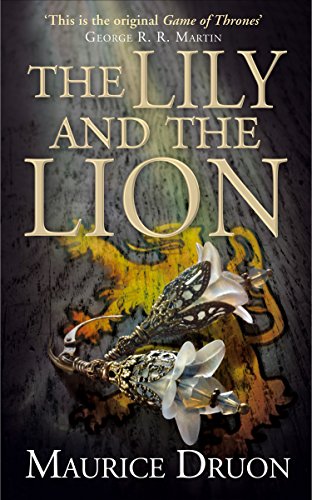
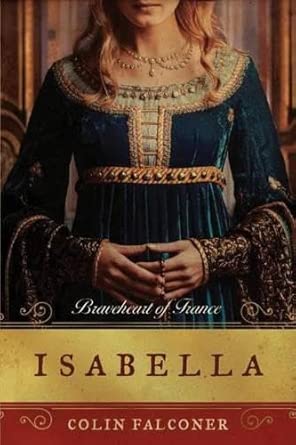
Colin Falconer’s Isabella follows the French princess into Edward II’s court, where the king’s favourites and baronial conflict turn her marriage into a political struggle that eventually drives her towards rebellion. Michael Jecks’ Dispensation of Death uses Isabella’s precarious place within the royal household to make a Westminster murder investigation dangerous for anyone suspected of knowing too much about court factions. Maurice Druon’s The She-Wolf follows her 1325 mission to France, alliance with Roger Mortimer and invasion of England, while The Lily and the Lion shows how her son Edward III’s claim through her becomes one of the dynastic arguments behind the Hundred Years’ War. Jecks’ The Templar, the Queen and Her Lover returns to the Paris embassy and makes Isabella’s estrangement from Edward II and growing alliance with English exiles the political background to its murders.