Series
Series about Medieval Trade and the Hanseatic League (1 series)
House of Niccolo in Order
The House of Niccolò follows Claes, later Nicholas de Fleury, from an underestimated Bruges apprentice into an international merchant, banker and political operator. Set across fifteenth-century Europe, the Mediterranean, Africa and the Black Sea, the series connects commerce, dynastic rivalry, war, family secrets and the ancestry of characters…
1. Niccolo Rising
2. The Spring of the Ram
3. Race of Scorpions
4. Scales of Gold
5. The Unicorn Hunt
6. To Lie with Lions
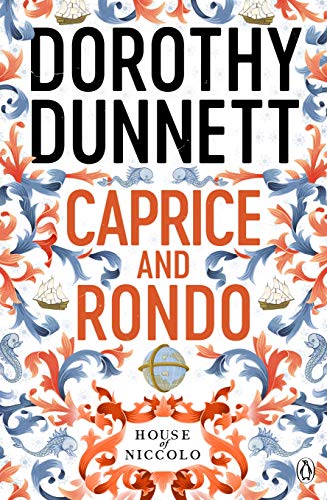
7. Caprice and Rondo