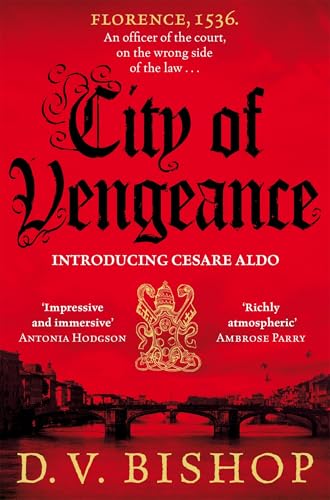
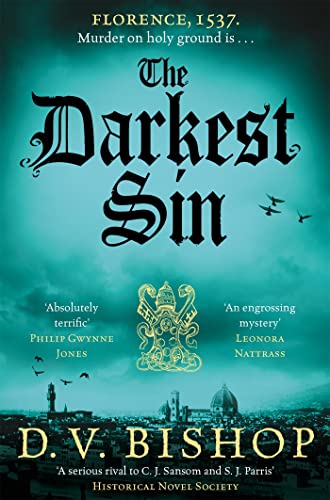
Medici Florence became one of the great centres of Renaissance culture through banking wealth, political management and artistic patronage. The Medici family shaped the city while preserving republican forms and cultivating alliances. Florence produced extraordinary art and thought amid faction, exile and conspiracy.
It matters because the city shows how culture and power can be inseparable. Patronage supported artists and scholars, but it also served family prestige and political survival. Medici Florence is especially strong for novels about painters, bankers, courtiers, spies, apprentices and women navigating elite households.
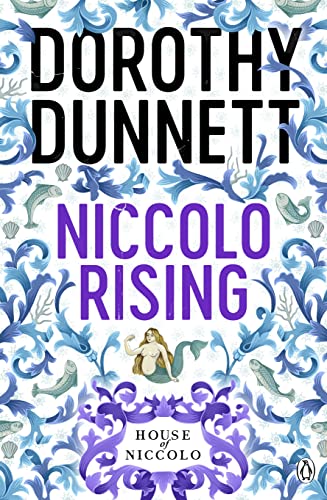
Renaissance Europe is a strong setting for historical fiction by Dorothy Dunnett, Sarah Dunant, Jean Plaidy, Tracy Chevalier and novels centred on artists, courts, bankers, spies and reformers. The period also connects naturally to Hilary Mantel's Tudor world and to wider European series about Florence, Venice, France, Spain and the papacy. These entries can support books about art, banking, dynastic marriage, religious upheaval, court politics and intellectual change.