Catherine de’ Medici was born into the Florentine Medici family and became queen of France through her marriage to Henry II. After his death she exercised power as the mother of Francis II, Charles IX and Henry III during the French Wars of Religion.
She attempted repeated compromises between Catholics and Protestants but became permanently associated with the St Bartholomew’s Day Massacre of 1572, whose planning and extent remain debated. Catherine de' Medici was born in Florence and died in Château de Blois.
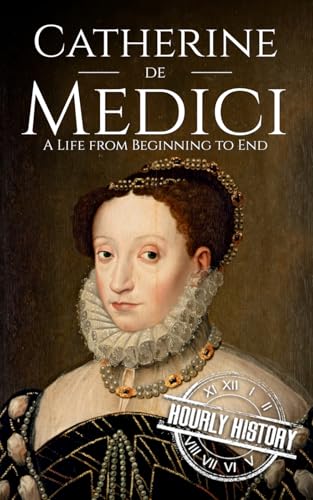
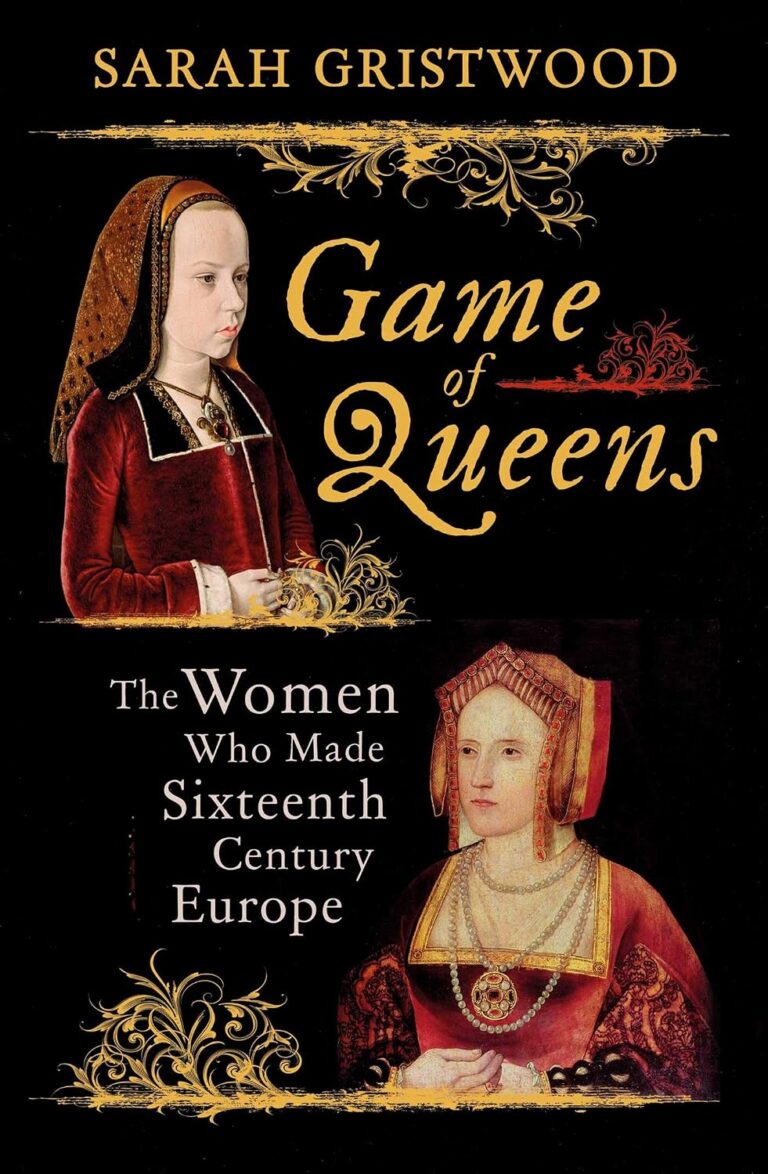
In Jean Plaidy’s Queen Jezebel, the ageing Catherine de' Medici has arranged the marriage of her beautiful Catholic daughter Margot to the uncouth Huguenot King Henry of Navarre. Margot, still desperately in love with Henry de Guise, refuses to utter her vows. In G. A. Henty’s Saint Bartholomew's Eve, Historical figures including Catherine de' Medici, Charles IX of France, Gaspard II de Coligny, and Henry IV of France connect the fictional action directly to the documented events. Further fictional perspectives on Catherine de' Medici can be found in C. W. Gortner’s The Confessions of Catherine de Medici, S. J. Parris’ Conspiracy, and Steven Veerapen’s Divided Loyalties. For broader historical treatment of Catherine de' Medici, see Hourly History’s Catherine de Medici and Sarah Gristwood’s Game of Queens.