Diane de Poitiers was a French noblewoman who became the long-term favourite of Henry II of France. Nearly twenty years older than the king, she exercised influence over patronage, diplomacy and court appointments and received valuable estates, including the Château de Chenonceau.
Her position overshadowed Queen Catherine de’ Medici during much of Henry’s reign. After Henry died from a tournament injury in 1559, Catherine removed Diane from court and compelled her to exchange Chenonceau for Chaumont. Diane de Poitiers was born in Saint-Vallier and died in Château d'Anet.
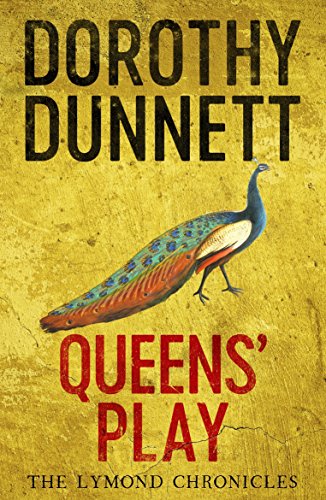
Jean Plaidy’s Madame Serpent presents Diane de Poitiers as Henry II’s dominant mistress and the woman whose influence deepens Catherine de’ Medici’s humiliation within the French court. C. W. Gortner’s The Confessions of Catherine de Medici likewise makes Diane’s hold over Henry one of the constraints Catherine must endure before the king’s death gives her political room of her own. Dorothy Dunnett’s Queens’ Play places Diane within Henry II’s brilliant and dangerous court while Lymond investigates threats to the young Mary, Queen of Scots. Rozsa Gaston’s Queen of Diamonds introduces Diane through Anne Boleyn’s experience of France, where observing women who combine beauty, reputation and access to power becomes part of Anne’s education in court survival.