Lucrezia Borgia was the daughter of Pope Alexander VI and a central figure in the marriage politics of the Borgia family. Her first marriage was annulled, her second husband was murdered and her third marriage made her duchess of Ferrara.
Hostile stories accused her of incest and poisoning, but the evidence instead shows an educated noblewoman who governed in her husband’s absence, patronised writers and artists and developed a respected court life in Ferrara. At Ferrara Lucrezia administered ducal business, cultivated religious and literary interests and bore several children; she died in 1519 after complications following childbirth.
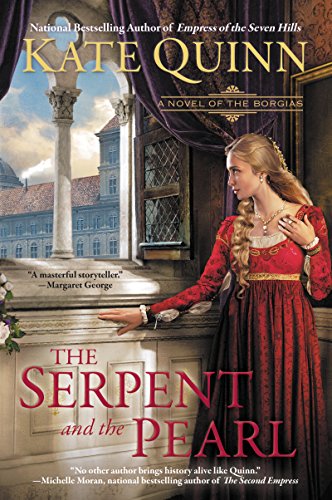
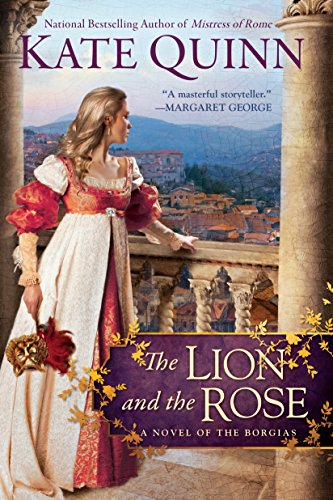
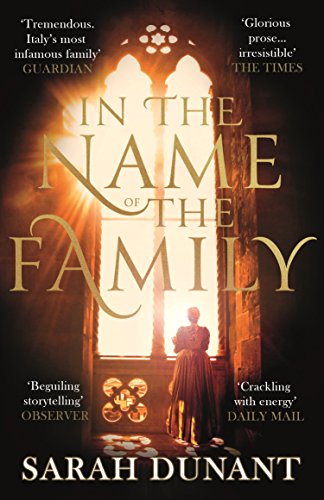
In C. W. Gortner’s The Vatican Princess, Lucrezia Borgia grows up in Renaissance Rome as the beloved daughter of Cardinal Rodrigo Borgia. In Jean Plaidy’s Light on Lucrezia, Lucrezia Borgia enters the next stage of her life under the shadow of a family whose power rests on Pope Alexander VI and the ruthless ambitions of Cesare Borgia. Further fictional perspectives on Lucrezia Borgia can be found in Jean Plaidy’s Madonna of the Seven Hills, Sarah Dunant’s Blood & Beauty, Sarah Dunant’s In the Name of the Family, Kate Quinn’s The Lion and the Rose, and Kate Quinn’s The Serpent and the Pearl.