As an Amazon Associate, I earn from qualifying purchases. This means if you click on a link and make a purchase, I may receive a small commission at no extra cost to you.

Home / Historical Periods / Medieval Period / Medieval Pilgrimage

Phase

Medieval Pilgrimage

Pilgrimage was a major feature of medieval religious life, taking people to local shrines, Canterbury, Santiago de Compostela, Rome, Jerusalem, and countless regional holy places. Pilgrims travelled for penance, healing, thanksgiving, curiosity, or social obligation. The roads around pilgrimage supported inns, relic cults, merchants, guides, robbers, and storytelling.

Pilgrimage matters because it moved people across boundaries of class, language, region, and safety. It linked devotion with tourism, economy, fraud, hope, and danger. It also produced some of the most famous medieval literature and social observation.

Geoffrey Chaucer’s Canterbury Tales is the obvious literary anchor, while Ellis Peters’s Cadfael stories and many medieval mysteries use pilgrim routes and shrines as plot engines. Pilgrimage settings suit mixed groups, secrets, relics, false identities, roadside crime, and journeys where spiritual and worldly motives blur.

Series

Series about Medieval Pilgrimage (1 series)

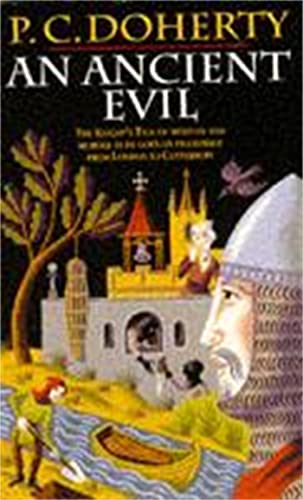
Canterbury Tales Mysteries in Order

by Paul Doherty 7 books 4.4

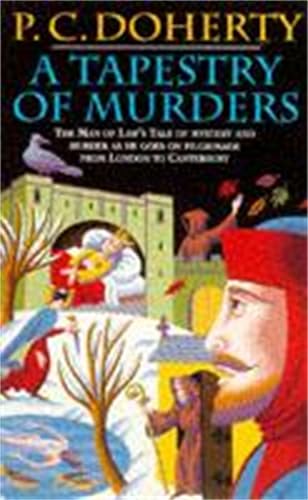
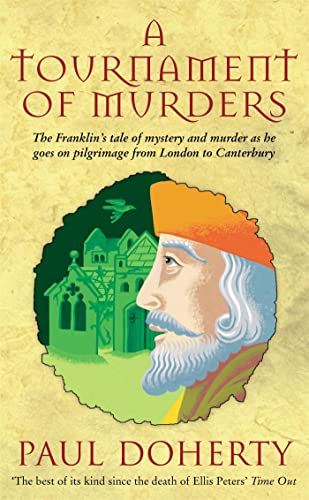
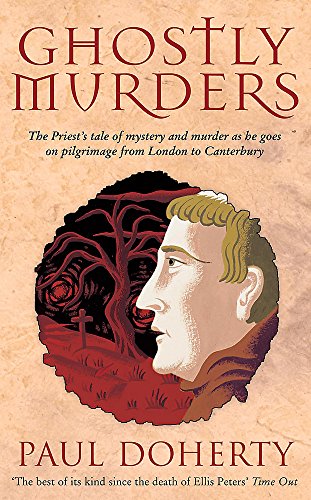
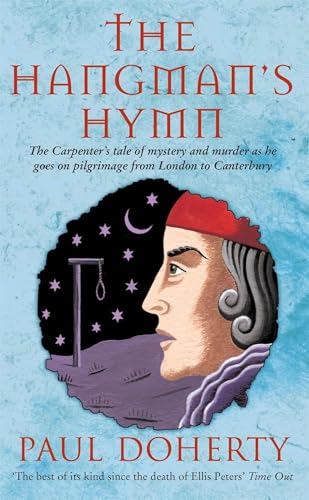
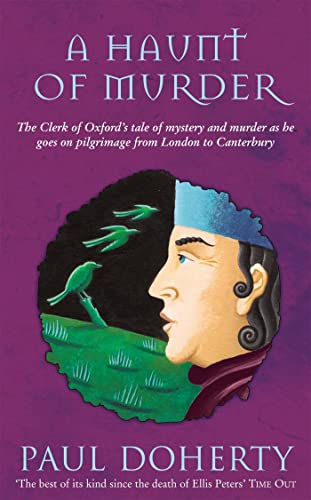
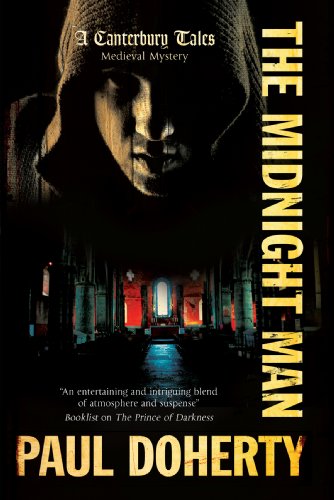
The Canterbury Tales Mysteries use the pilgrimage framework associated with Geoffrey Chaucer. Travellers setting out from the Tabard Inn agree to exchange darker evening tales alongside their ordinary stories, and each volume gives a different pilgrim a mystery of murder, haunting, revenge or concealed guilt. The stories range…
Books

3 Best Novels About Medieval Pilgrimage

Bestselling authors first, then star rating.