An Owen Archer Mystery in Order
The Owen Archer mysteries follow a Welsh soldier and former captain of archers who becomes an investigator, spy and officer in fourteenth-century York. Beginning in 1363, Owen serves Archbishop John Thoresby and later the city authorities, while his marriage to apothecary Lucie Wilton gives the investigations a close…
All books in this series
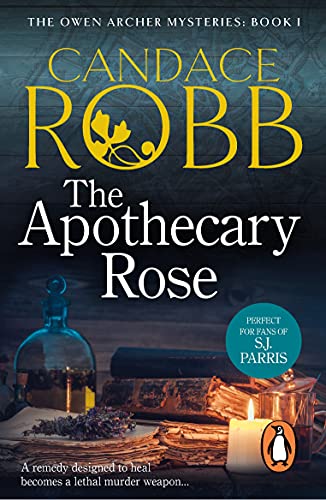
1. The Apothecary Rose
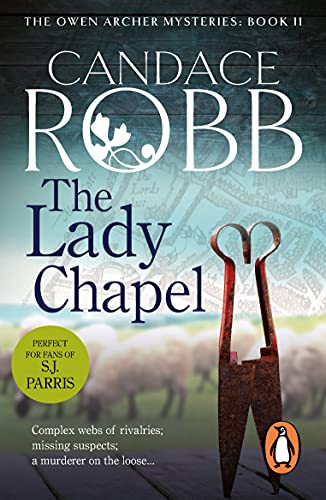
2. The Lady Chapel
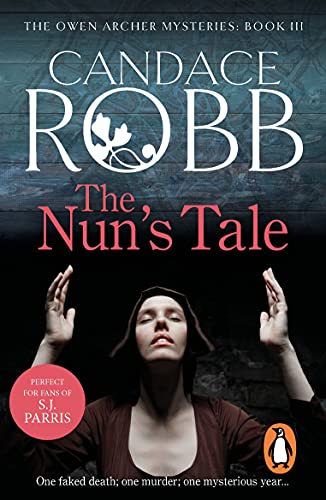
3. The Nun’s Tale
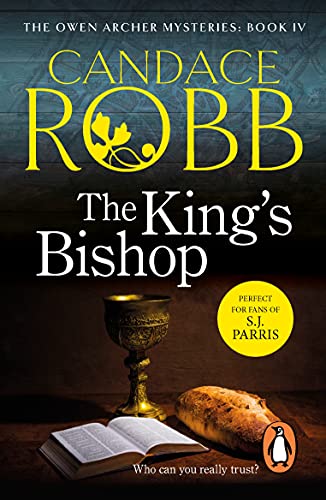
4. The King’s Bishop
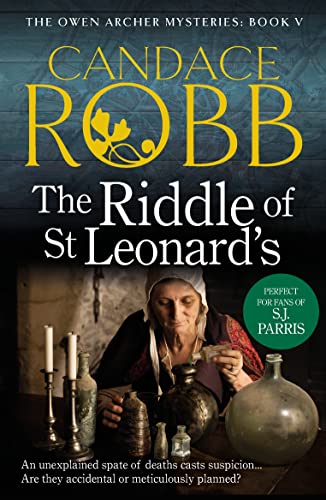
5. The Riddle of St. Leonard’s
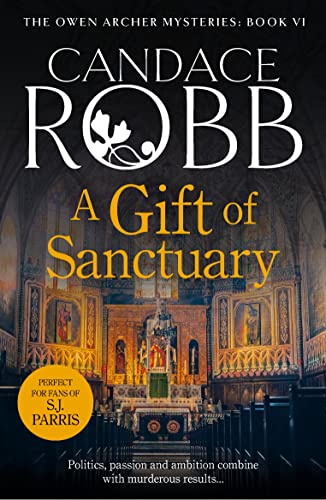
6. A Gift of Sanctuary
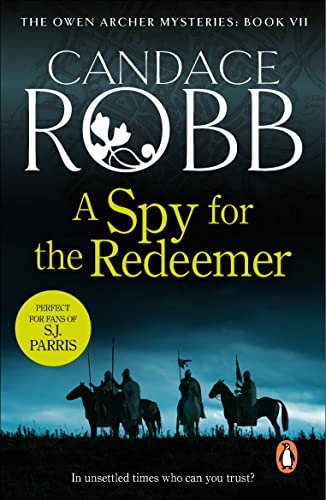
7. A Spy for the Redeemer
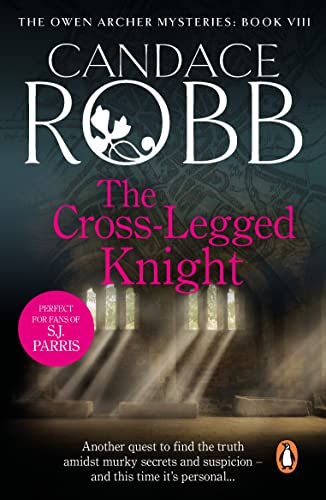
8. The Cross-Legged Knight
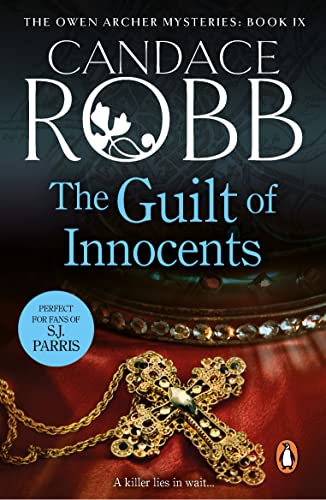
9. The Guilt of Innocents
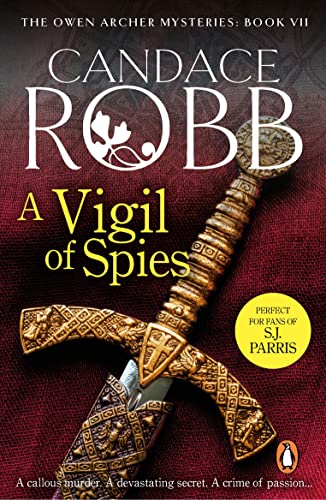
10. A Vigil of Spies
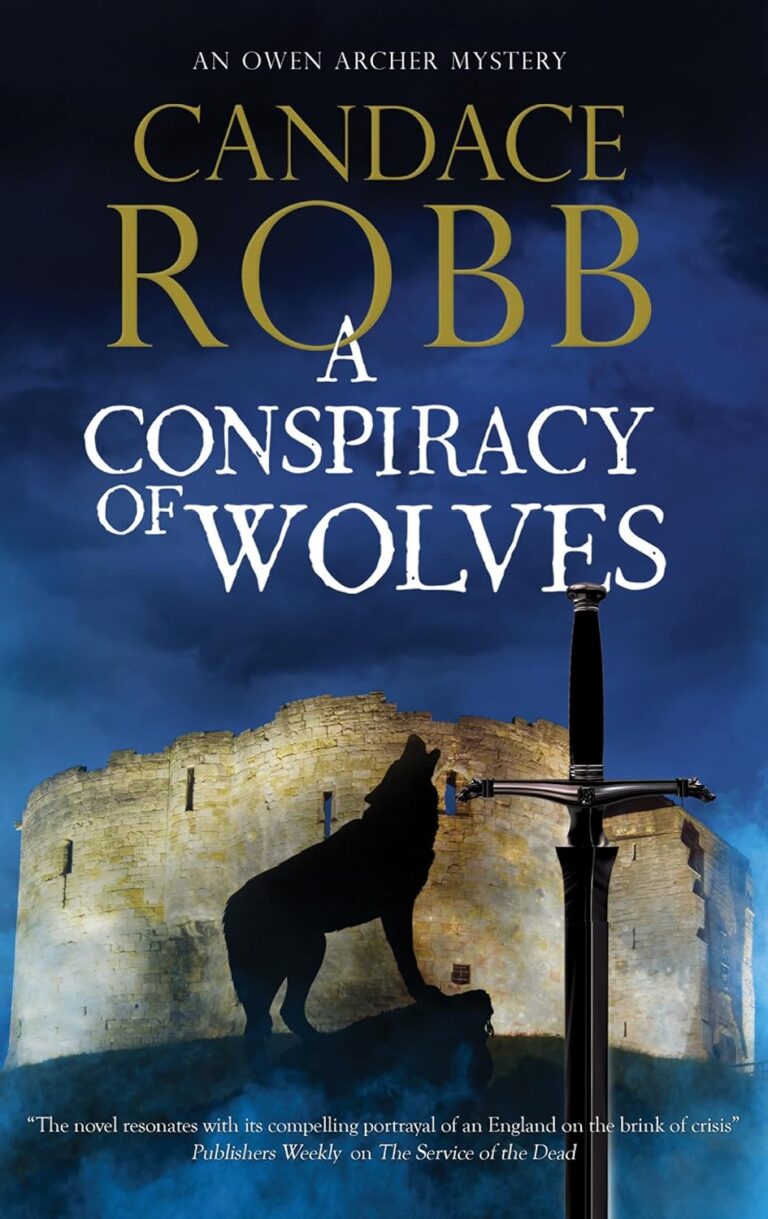
11. A Conspiracy of Wolves
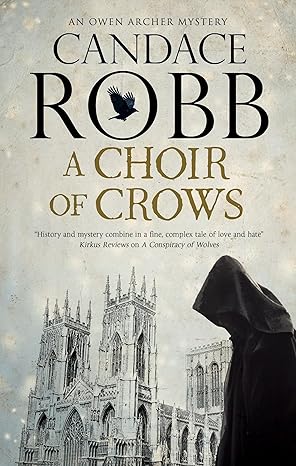
12. A Choir of Crows
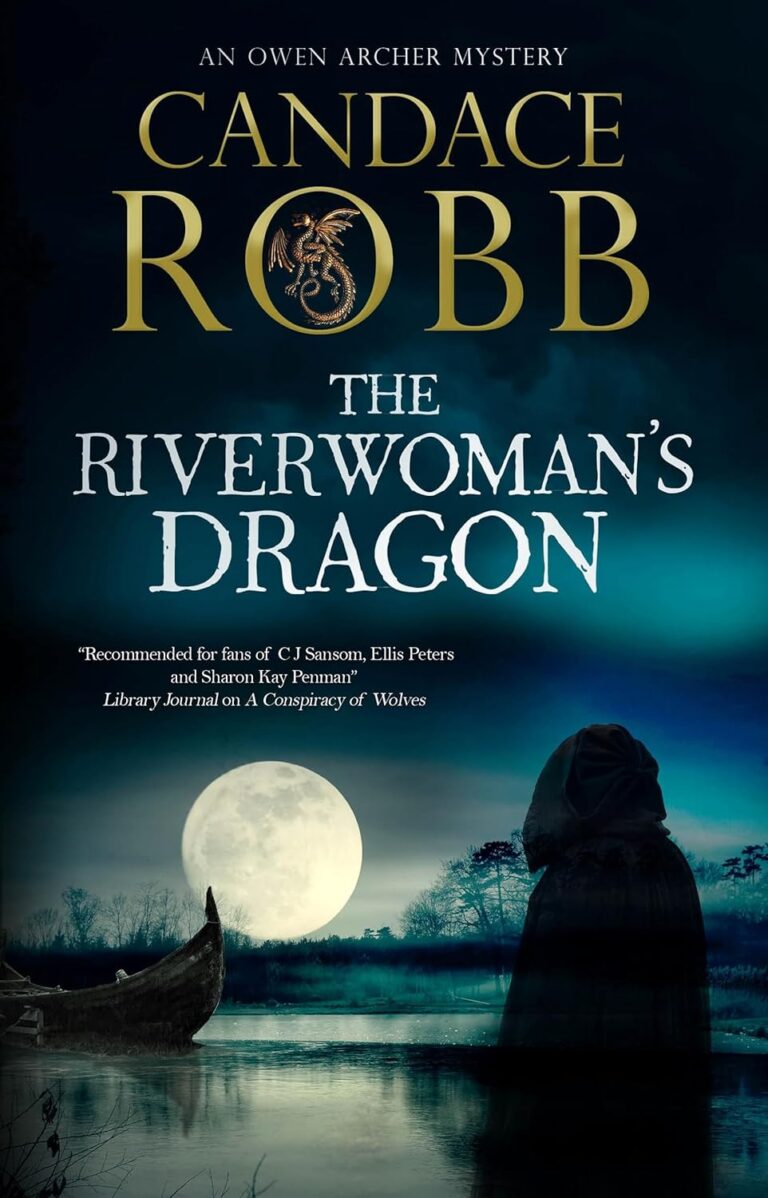
13. The Riverwoman’s Dragon
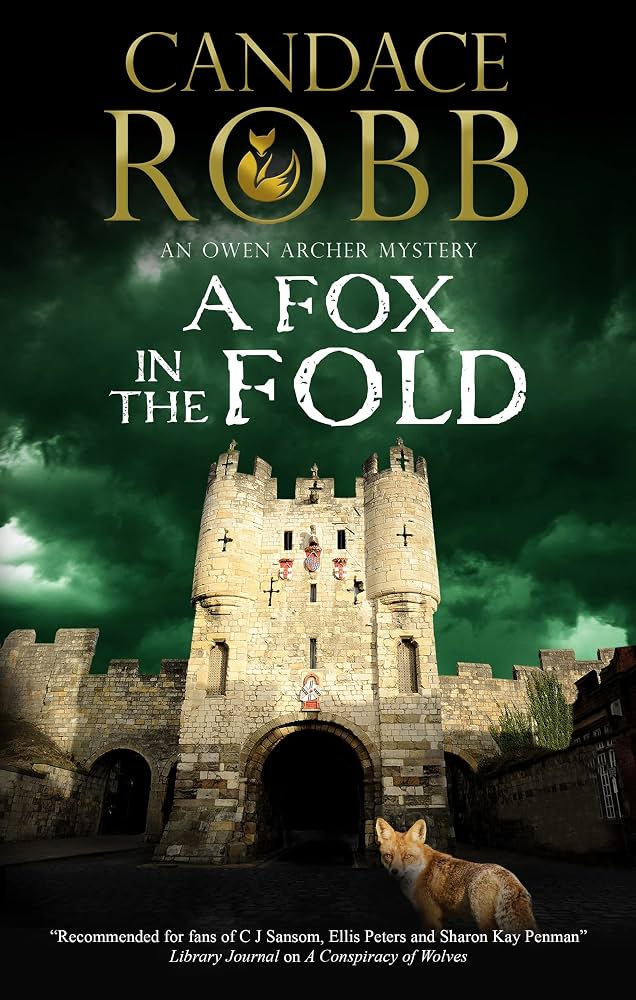
14. A Fox in the Fold
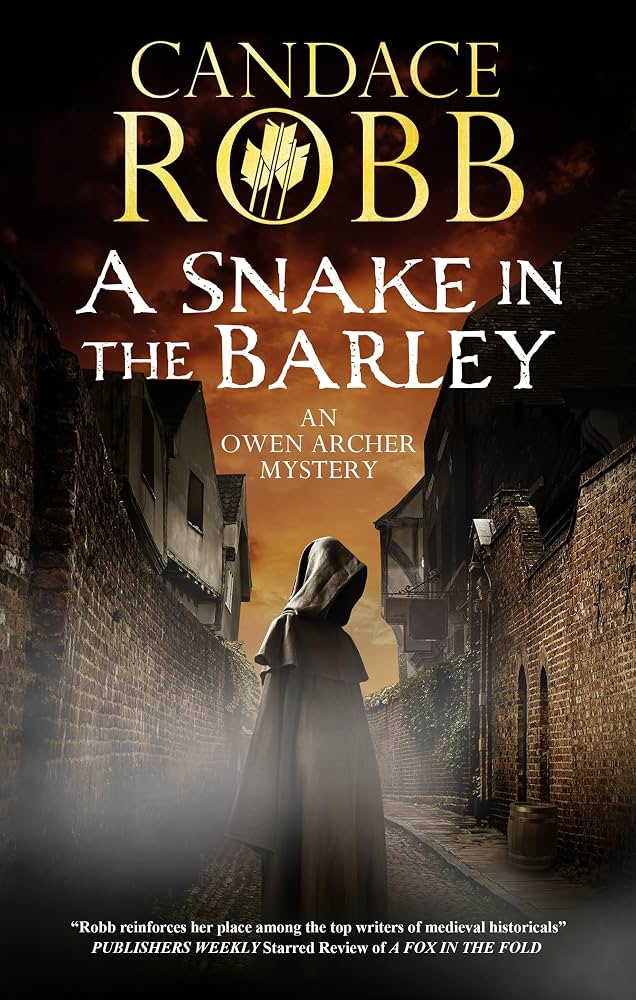
15. A Snake in the Barley