Joan of Arc was a French military visionary who helped revive the Valois cause during the Hundred Years’ War. She accompanied the relief of Orléans, supported Charles VII’s coronation at Reims and was later captured, tried for heresy and burned at Rouen.
Captured by Burgundian forces at Compiègne in 1430, Joan was transferred to the English and prosecuted before an ecclesiastical court at Rouen under Bishop Pierre Cauchon. The trial condemned her on charges including heresy and her continued wearing of male military clothing, and she was executed on 30 May 1431. A papally authorised retrial in 1456 overturned the conviction and declared the original proceedings deeply flawed; centuries later she became both a French national symbol and, in 1920, a canonised saint of the Catholic Church.
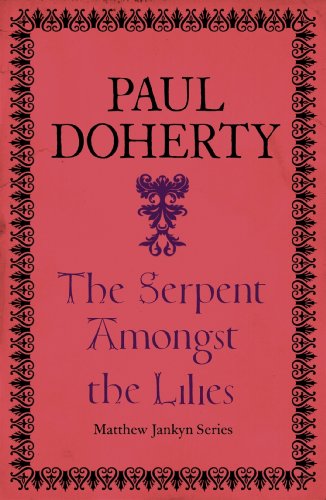
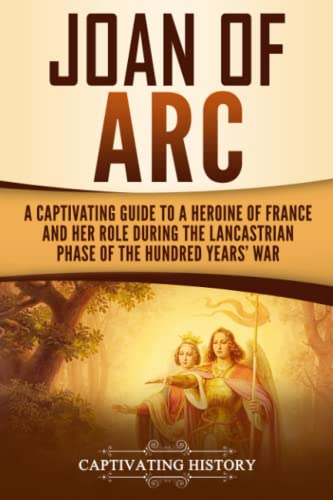
Shakespeare’s Henry VI, Part 1 makes Joan a charismatic and threatening French leader whose victories help reverse the English conquest, even though the play filters her through hostile English legend. Paul Doherty’s The Serpent Amongst the Lilies turns uncertainty about the historical Jeanne into the centre of an investigation involving a mysterious woman who may be connected with the Maid of Orléans. Deryn Lake’s The King’s Women places Joan’s intervention against the background of Charles VII’s precarious court and the collapse of the Anglo-Burgundian settlement. Captivating History’s Joan of Arc follows her directly from Domrémy through Orléans, the coronation at Reims, capture and trial. Juliet Barker’s Conquest then sets her successes within the longer military and administrative breakdown of English rule in France, showing why her arrival mattered without making it the sole cause of England’s eventual defeat.