Books






As an Amazon Associate I earn from qualifying purchases. Affiliate disclosure.
Phase
1714–1837 CE
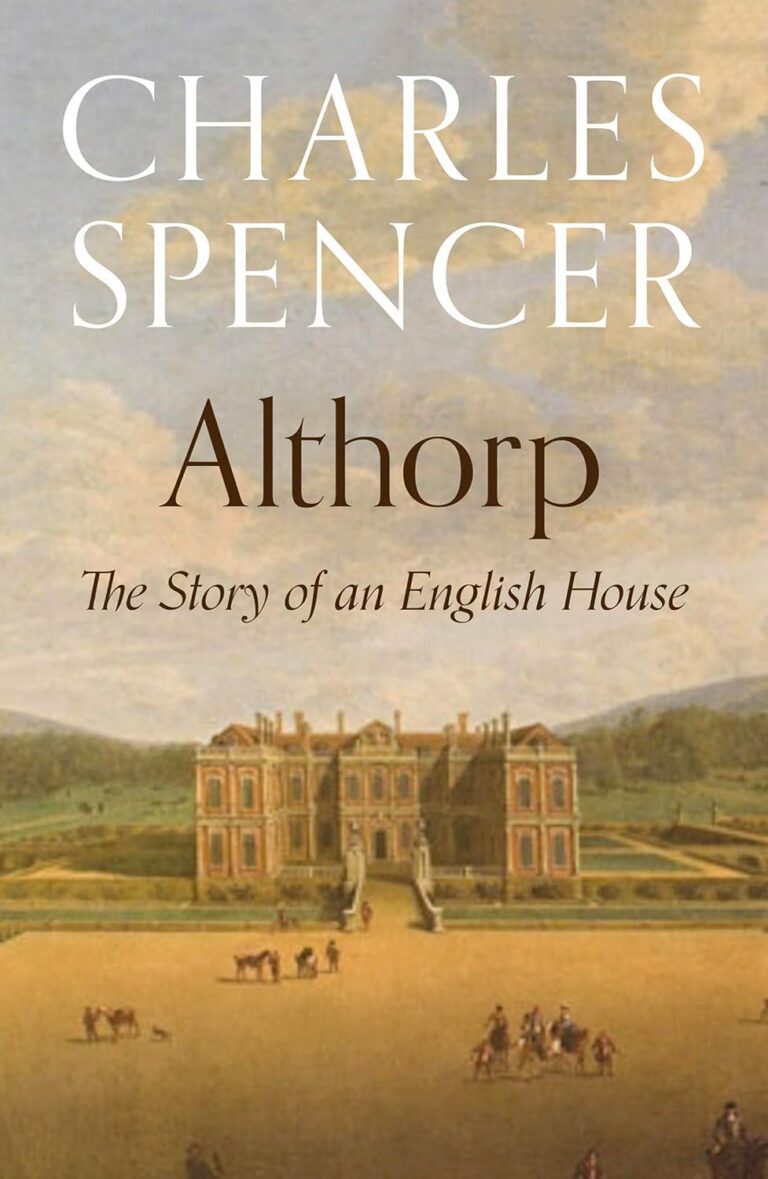
Country house society was central to Georgian and Regency Britain because land, family and political influence remained deeply connected. Estates were places of hospitality, patronage, marriage negotiation, tenant management and display. The house itself expressed lineage, taste and authority.
The country house mattered because inheritance and marriage could decide the future of entire families. Beneath the elegance were debts, entailments, servants’ labour, tenant hardship and the pressure to maintain appearances. Local power often flowed through dining rooms, libraries, estate offices and parish networks.
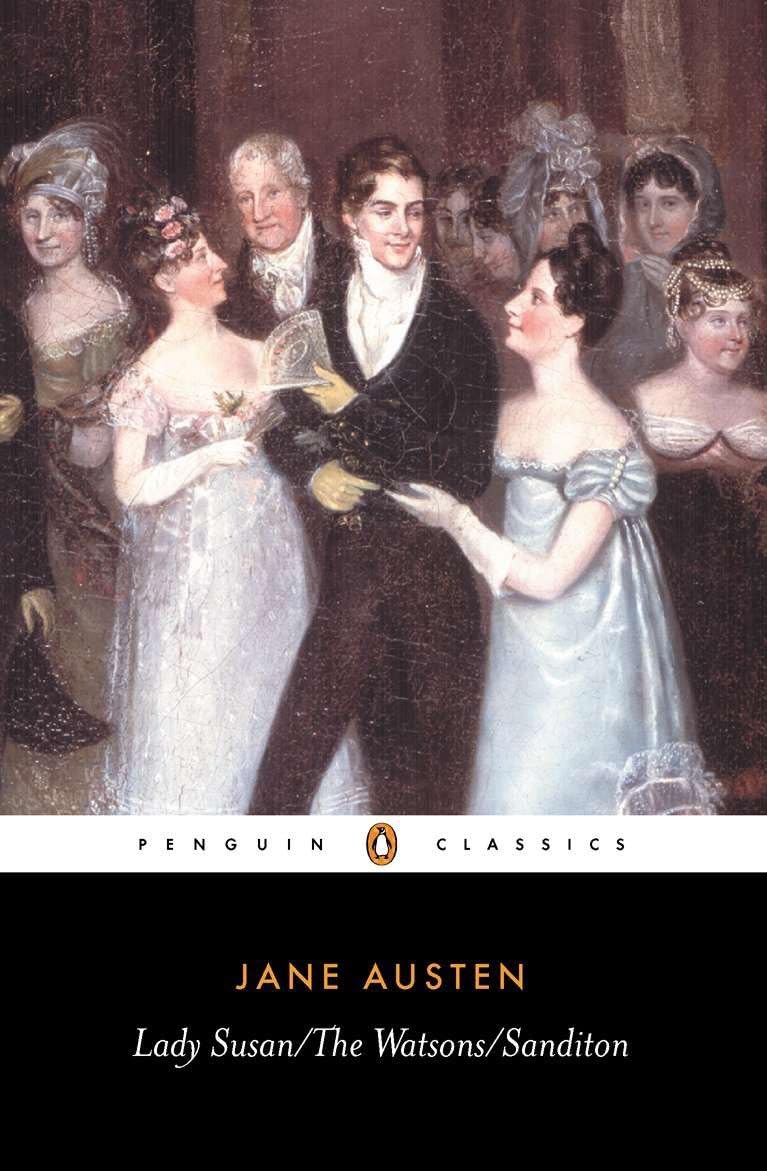
Jane Austen made the country house one of the great settings of English fiction, especially in Pride and Prejudice, Mansfield Park and Emma. Georgette Heyer’s novels often use estates as engines of inheritance plots, hidden identities and family pressure. Modern series can use country houses to explore servants, illegitimacy, debt, enclosure, women’s dependency and the fragility of aristocratic confidence.
Books
Non-Fiction
Histories, biographies and reference works are listed separately from the historical novels above.