Jane Austen is central to Regency-period fiction, although her novels are contemporary works rather than later historical reconstructions.
Jane Austen was born in Steventon, Hampshire, in 1775, the daughter of a clergyman. She grew up in a large reading family and began writing stories, parodies and dramatic sketches when young. After periods in Bath and Southampton, she settled with her mother and sister Cassandra at Chawton, where she revised earlier manuscripts and prepared most of her major novels for publication. During her lifetime, her books appeared anonymously.
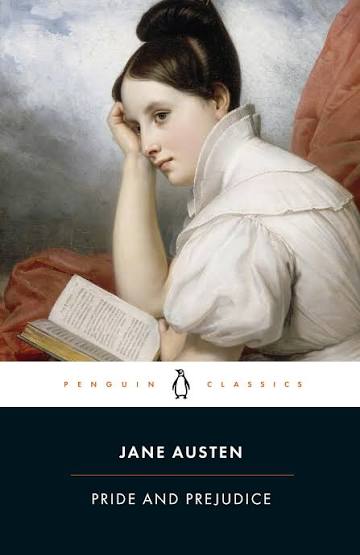
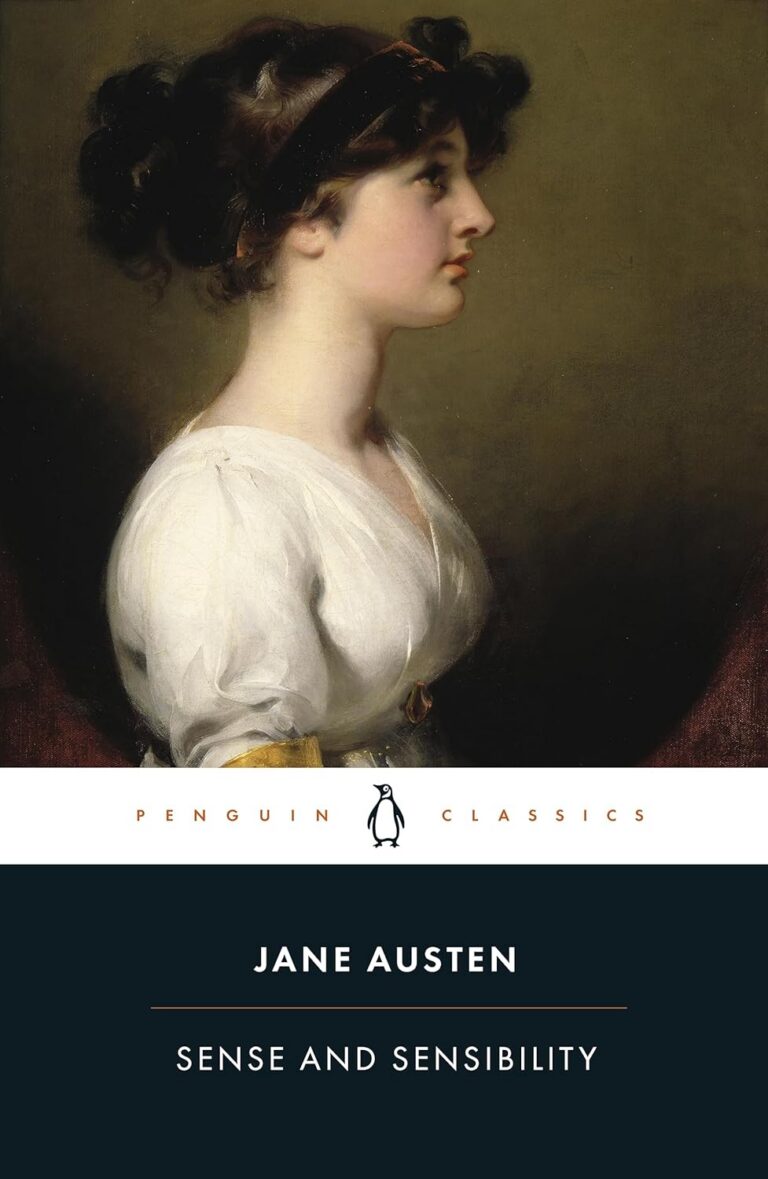
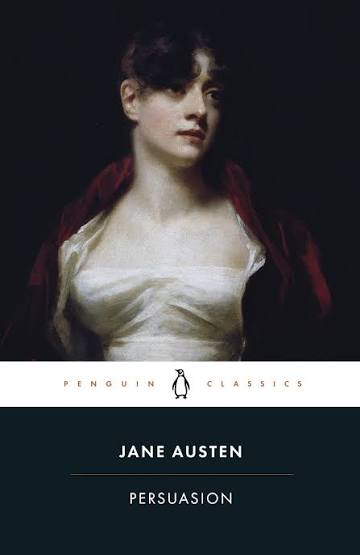
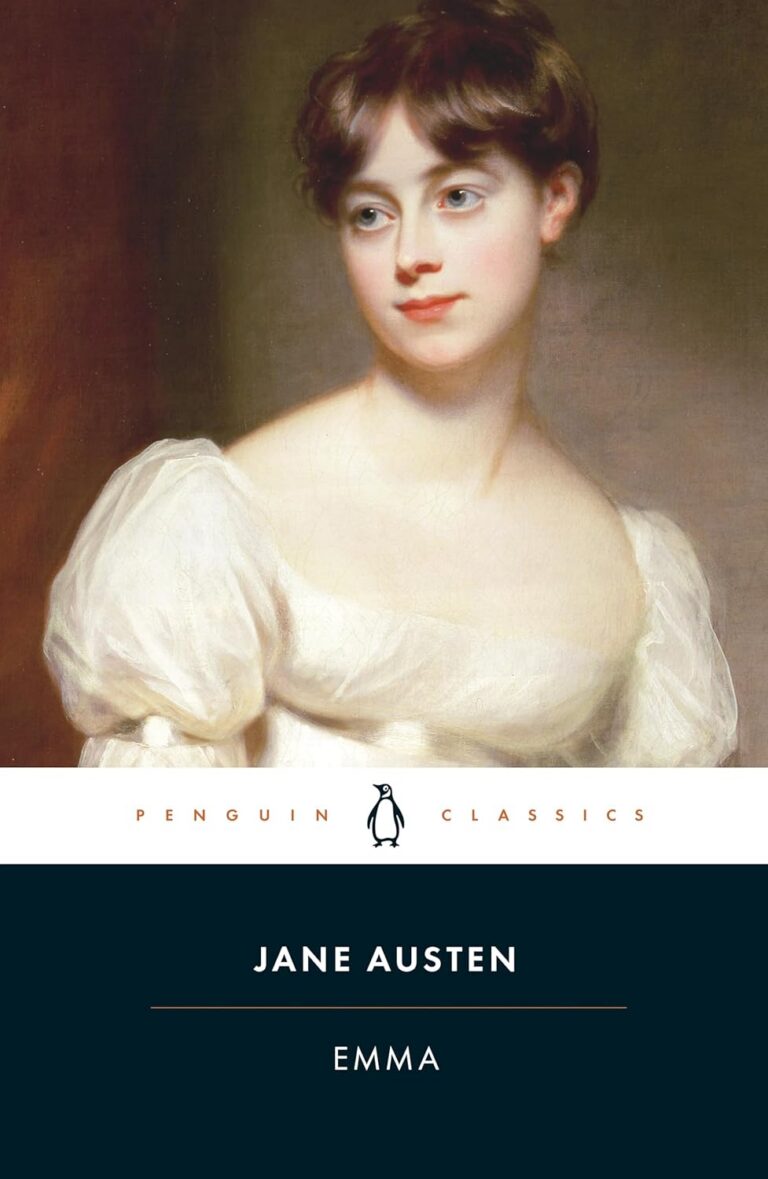
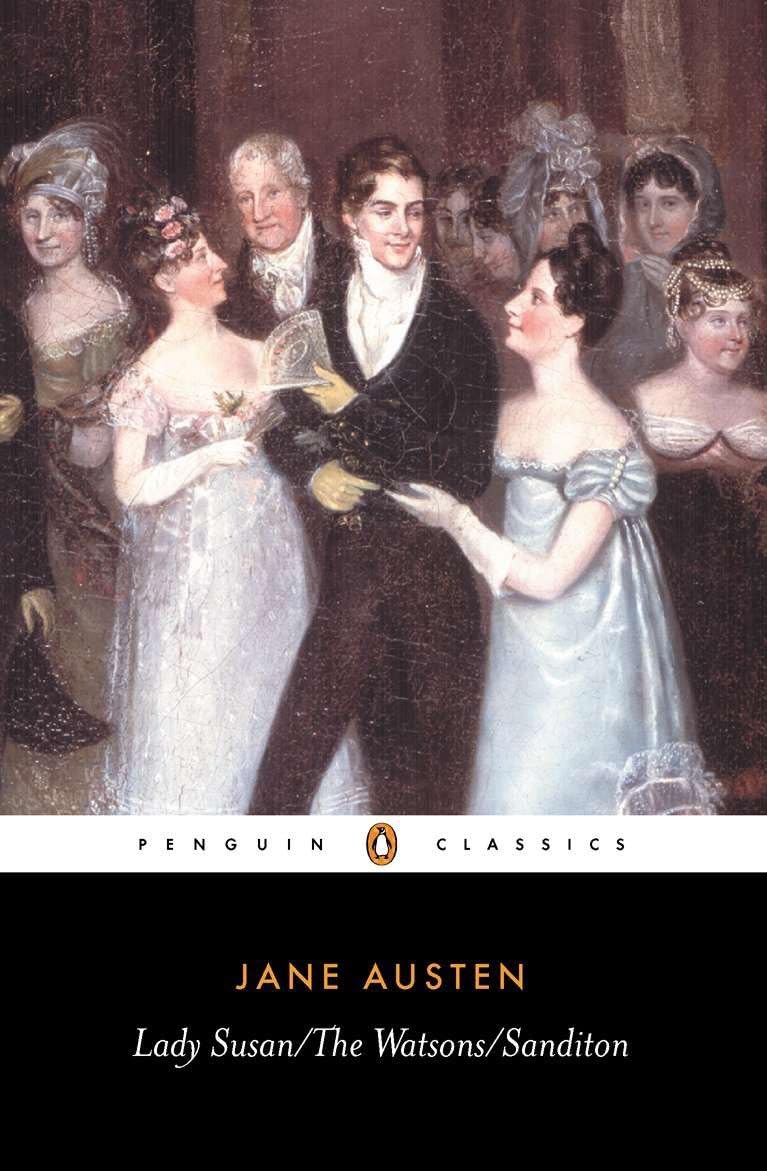
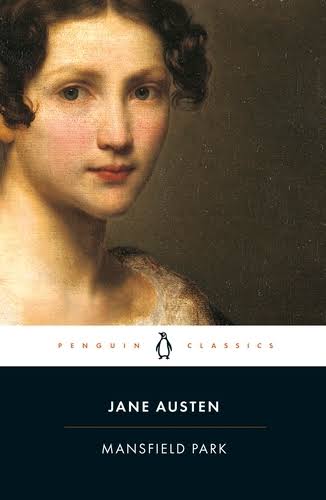
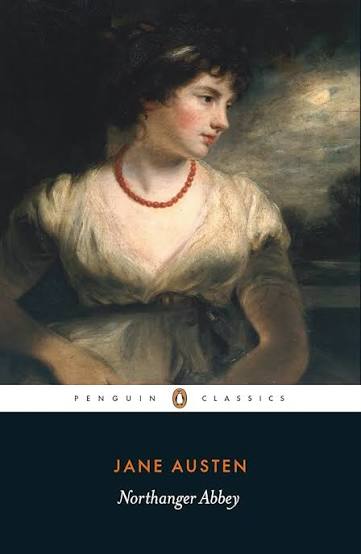
Austen’s six completed novels examine courtship, inheritance, reputation and the economic pressures governing marriage among the landed and professional classes. Sense and Sensibility, Pride and Prejudice, Mansfield Park, Emma, Northanger Abbey and Persuasion use irony and free indirect style to expose errors of judgement while taking women’s restricted legal and financial choices seriously. Her fiction was contemporary rather than historical when written, but it now offers one of literature’s most exact views of Georgian and Regency society, including the effects of war, naval service and colonial wealth at the edge of domestic life. Austen died in Winchester in 1817, and her influence on the modern novel has continued to grow.

 Georgette Heyer
41 books
Georgette Heyer
41 books
 Julia Quinn
36 books
Julia Quinn
36 books
 Julia Golding
12 books
Julia Golding
12 books
 Laura Purcell
11 books
Laura Purcell
11 books