As an Amazon Associate, I earn from qualifying purchases. This means if you click on a link and make a purchase, I may receive a small commission at no extra cost to you.

Historical Bookshelf
Home / Historical Periods / Cold War and Post-war Era

Period

Cold War and Post-war Era

1945–1991 CE

The Cold War Era began after World War II and lasted until the collapse of the Soviet Union in 1991. It was defined by rivalry between the United States and the Soviet Union, nuclear weapons, espionage, propaganda, proxy wars and divided Europe. The conflict was global, but often fought indirectly through intelligence, influence and regional wars.

Its importance lies in the way it made peace and war coexist. The superpowers avoided direct full-scale conflict, yet Korea, Vietnam, Afghanistan, coups, surveillance and nuclear fear shaped millions of lives. It is one of the strongest settings for spy fiction and political historical novels.

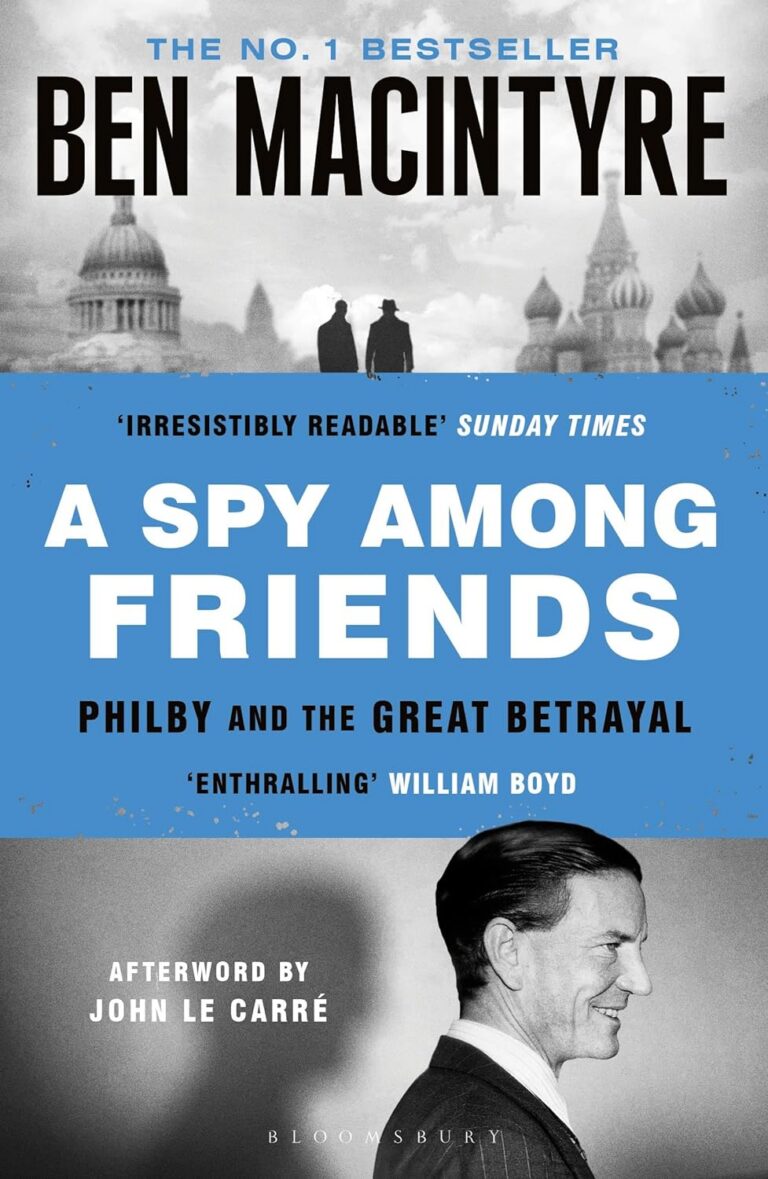
Cold War fiction is dominated by espionage and divided loyalties, with John le Carré, Len Deighton, Robert Littell, Charles Cumming and Joseph Kanon providing obvious author and series connections. The period also supports novels about Berlin, nuclear fear, proxy wars, defectors, surveillance and life behind the Iron Curtain. These pages can connect spy series with literary fiction about ideology, betrayal, exile and the long shadow of World War II.

Related people for Cold War and Post-war Era

Adolf Hitler1889–1945 Aleksandr Georgievich Kotikov1902–1981 Arthur Wellesley, 1st Duke of Wellington1769–1852 Benjamin Disraeli1804–1881 Bernard Montgomery1887–1976 Charles Cornwallis Charles de Gaulle1890–1970 Charles George Gordon1833–1885 Charles II of England1630–1685 Charles I of England1600–1649 Douglas MacArthur Eleanor Rooseveltborn 1960 Elizabeth I1533–1603 Erwin Rommel1891–1944 Fidel Castro Francis Drake1540–1596 Frank L. Howley1903–1993 Franklin D. Roosevelt1882–1945 Genghis Khan1162–1227 George III1738–1820 George S. Patton George VI1895–1952 George Washington1732–1799 Giuseppe Garibaldi1807–1882 Haile Selassie1892–1975 Harry S. Truman1884–1972 Henry Temple, 3rd Viscount Palmerston1784–1865 Henry VIII1491–1547 Herbert Kitchener, 1st Earl Kitchener1850–1916 Horatio Nelson1758–1805 James Broun-Ramsay, 1st Marquess of Dalhousie1812–1860 James VI and I1566–1625 John F. Kennedy1917–1963 Jomo Kenyatta1893–1978 Joseph Chamberlain1836–1914 Joseph McCarthy1908–1957 Joseph Stalin1878–1953 Kim Il-sung Kim Il Sung1890–1969 Kublai Khan1215–1294 Mahatma Gandhi1869–1948 Mao Zedong1893–1976 Margaret Thatcher1925–2013 Martin Luther King Jr.1929–1968 Menelik II1844–1913 Mikhail Gorbachev1931–2022 Modu Chanyu Mohammad Reza Pahlavi1919–1980 Muhammad Ahmad1844–1885 Napoleon III1808–1873 Nikita Khrushchev1894–1971 Oliver Cromwell1599–1658 Oliver P. Smith Otto von Bismarck1815–1898 Paul Kruger1825–1904 Richard Wellesley, 1st Marquess Wellesley1760–1842 Robert Clive1725–1774 Robert F. Kennedy Robert McNamara Ronald Reagan1911–2004 Ruhollah Khomeini1902–1989 Thomas Cochrane, 10th Earl of Dundonald1775–1860 Thomas Wolsey1473–1530 Ulysses S. Grantborn 1946 Victoria1819–1901 Walter Raleigh1552–1618 William Pitt the Younger1759–1806 William Randolph Hearst1863–1951 Winston Churchill1874–1965

Series

Series about Cold War and Post-war Era (2 series)

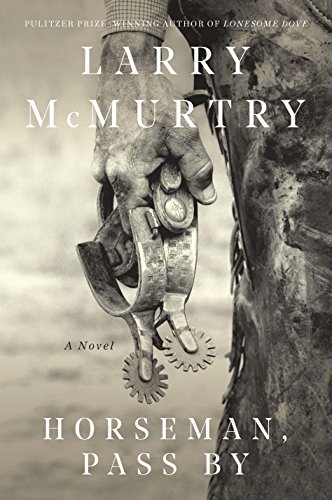
Thalia, Texas and Duane Moore in Order

by Larry McMurtry 7 books 4.3

The Thalia novels follow several generations of characters in a fictional north Texas town as ranching, oil wealth and small-town institutions decline or change. Horseman, Pass By, Leaving Cheyenne and The Last Picture Show establish a community shaped by frustrated ambition, damaged families and limited opportunities. The Last…
Books

Books about Cold War and Post-war Era (30 books)

Bestselling authors first, then star rating.

Non Fiction

Non Fiction about Cold War and Post-war Era (25 books)

Histories, biographies and reference works are listed separately from the historical novels above.