
Historical person
Lu Xun
1881–1936
Lu Xun, born Zhou Shuren in Shaoxing in 1881, was a Chinese writer, translator and critic whose fiction became foundational to modern Chinese literature. After studying in Japan, he abandoned medical training for literary work, arguing that cultural and intellectual change mattered as urgently as physical healing. His story “Diary of a Madman”, published in 1918 in the new vernacular style, used the metaphor of cannibalism to attack oppressive social traditions, while “The True Story of Ah Q” became an enduring satire of self-deception and national weakness.
Lu Xun taught, translated European and Japanese literature, edited journals and wrote fiercely polemical essays during the New Culture and May Fourth eras. He attacked authoritarianism, empty classical learning and the hypocrisies of intellectual life, while also criticising factions on the political left when he believed they demanded conformity. In Shanghai he became associated with the League of Left-Wing Writers, though he never joined the Chinese Communist Party. He died in 1936. Later Communist cultural policy elevated him as a revolutionary literary hero, sometimes simplifying the independence and ambiguity that characterised his own politics.
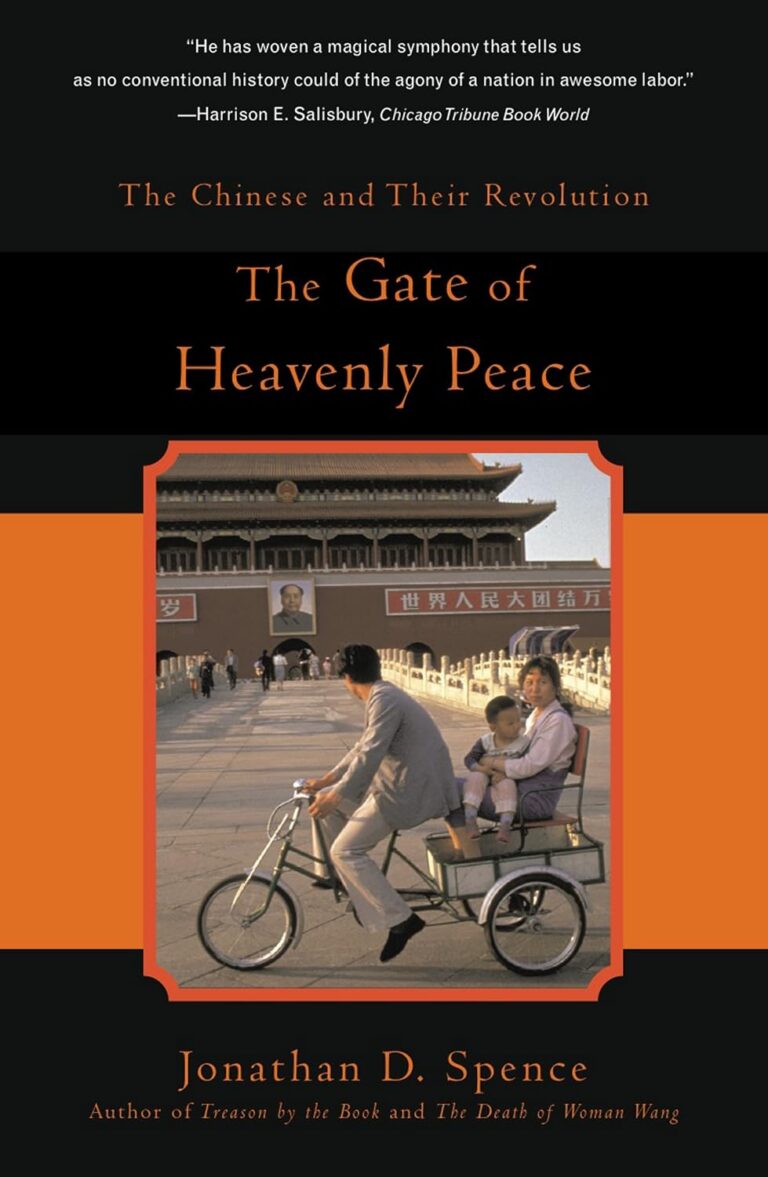
In Jonathan D. Spence’s The Gate of Heavenly Peace, beginning with the crisis of the late Qing, it follows the intellectual search for national renewal through the fall of the dynasty, republican fragmentation, Communist victory and the upheavals of the People’s Republic. Liang Qichao, Lu Xun and other cultural figures appear alongside revolutionary leaders as Spence connects political action to fiction, journalism, philosophy and personal testimony.
Non Fiction
Non Fiction featuring Lu Xun (1 book)
Biographies, histories and other non-fiction are listed separately from the historical novels above.