Harry S. Truman was the thirty-third president of the United States. He authorised the use of atomic bombs against Japan, helped create the post-war containment system, recognised Israel and led the country into the Korean War.
Truman entered the presidency in April 1945 after Franklin Roosevelt's death and immediately faced the final stages of the Second World War, including the decision to use atomic bombs against Japan. His administration helped establish the United Nations, NATO, the Marshall Plan and the policy of containment while confronting the Berlin blockade and the Korean War. At home he desegregated the armed forces by executive order and proposed a broader Fair Deal reform programme.
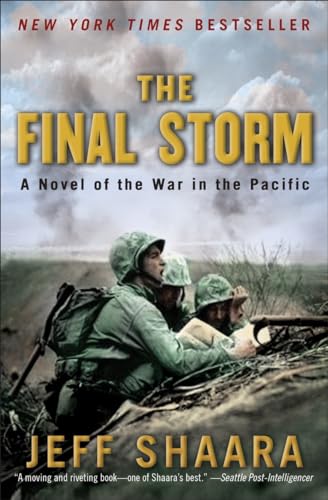
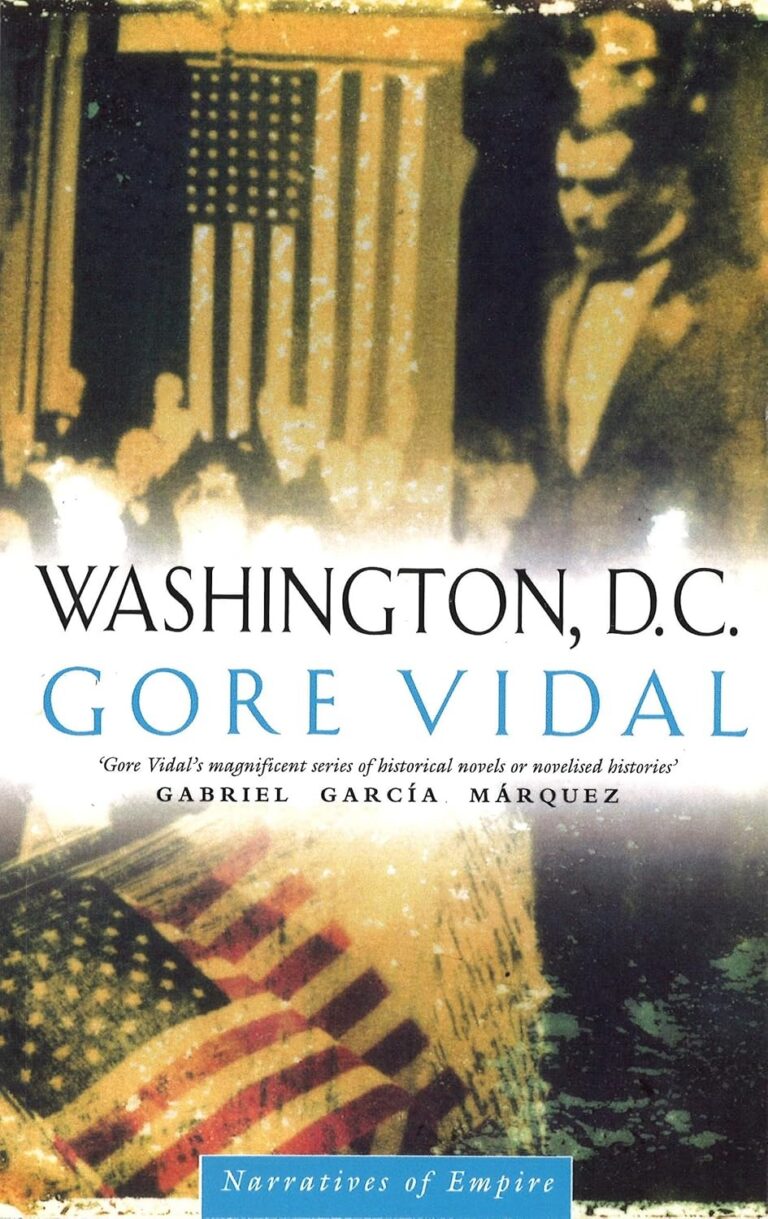
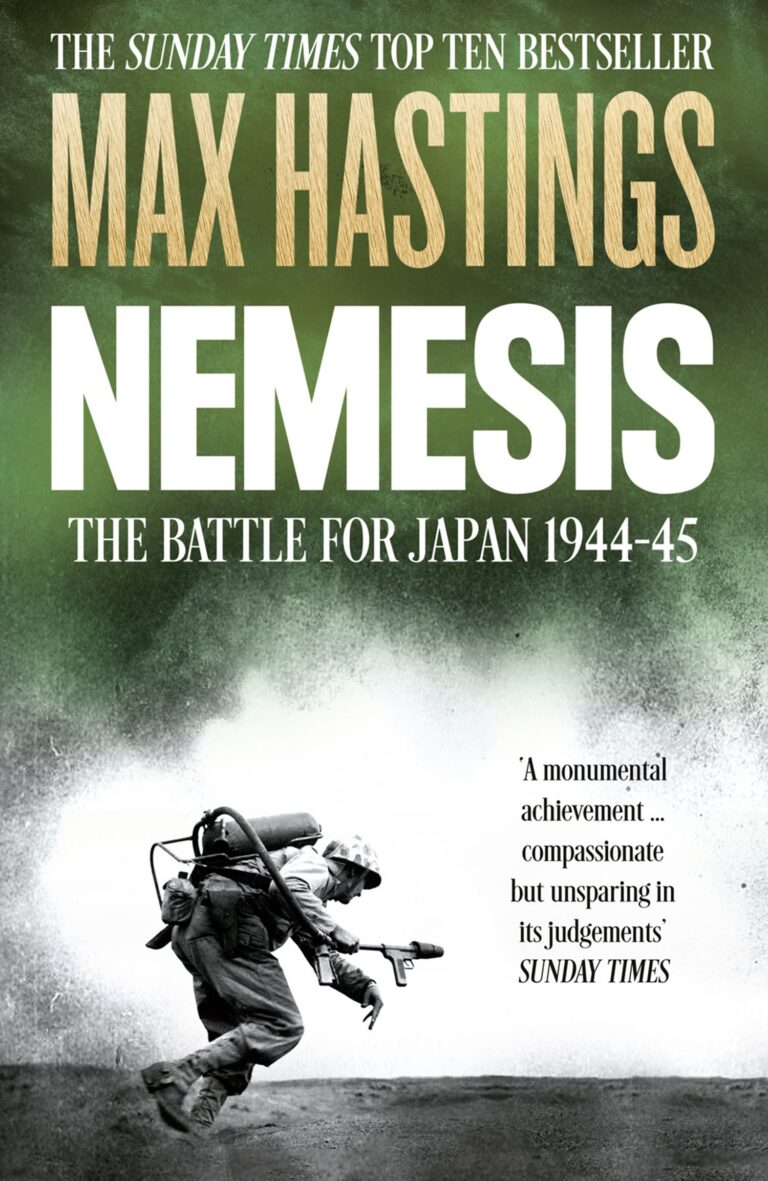
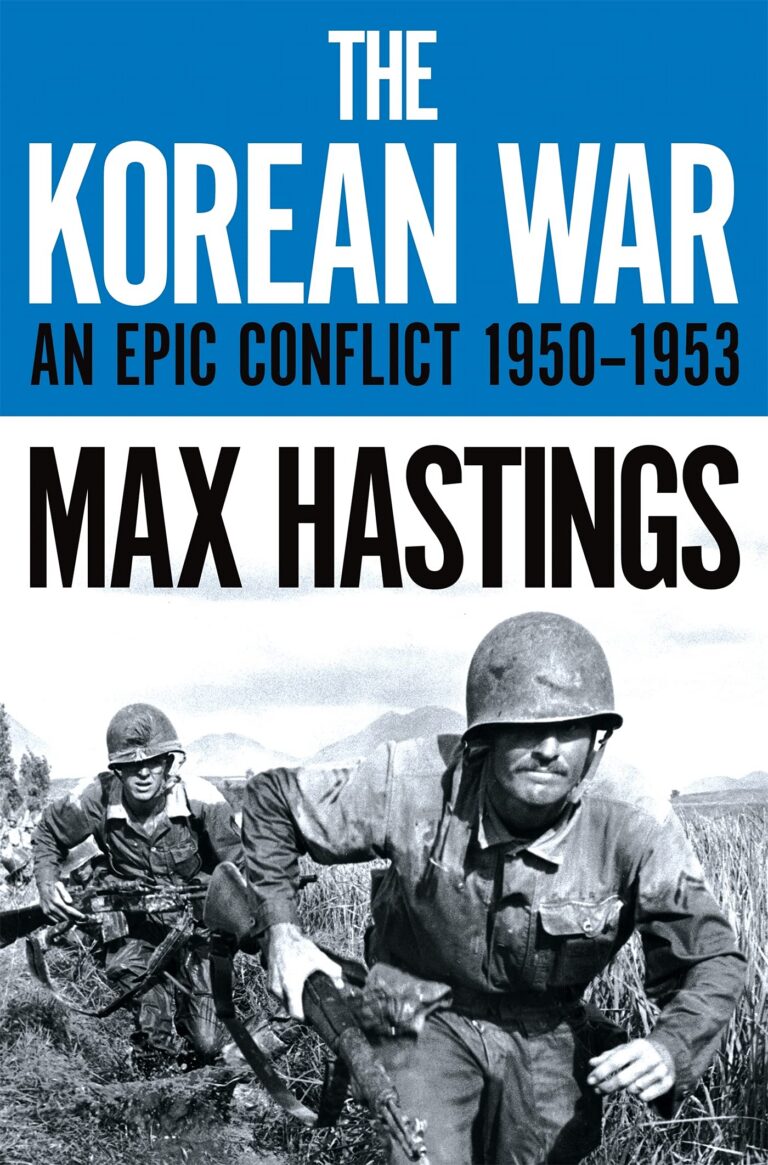
In Jeff Shaara’s The Final Storm, as Okinawa ends, Harry S. Truman inherits the presidency and the decision over how to force Japan’s surrender. In Gore Vidal’s The Golden Age, after Roosevelt’s death, the narrative follows Harry S. Truman’s administration, the opening of the Cold War, the Korean War and the rise of Joseph McCarthy. A framing perspective from the year 2000 turns the novel into an inquiry about how history is written and who benefits from an accepted national story. Further fictional perspectives on Harry S. Truman can be found in Gore Vidal’s Washington D C. For broader historical treatment of Harry S. Truman, see Saul David’s Crucible of Hell, Sir Max Hastings’ The Korean War, Giles Milton’s Checkmate in Berlin, and Sir Max Hastings’ Nemesis.