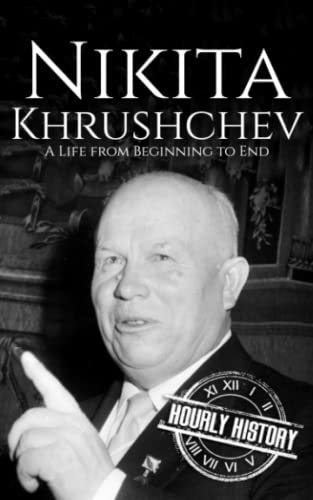
Nikita Khrushchev emerged as Soviet leader after Stalin’s death and denounced aspects of Stalinist terror in his 1956 “Secret Speech.” He promoted limited cultural relaxation, agricultural experiments and competition with the United States in missiles and space.
His rule included the suppression of the Hungarian uprising, the Berlin crisis and the Cuban Missile Crisis. Economic failures and elite opposition led colleagues to remove him from power in 1964. Nikita Khrushchev was born in Kalinovka and died in Moscow.
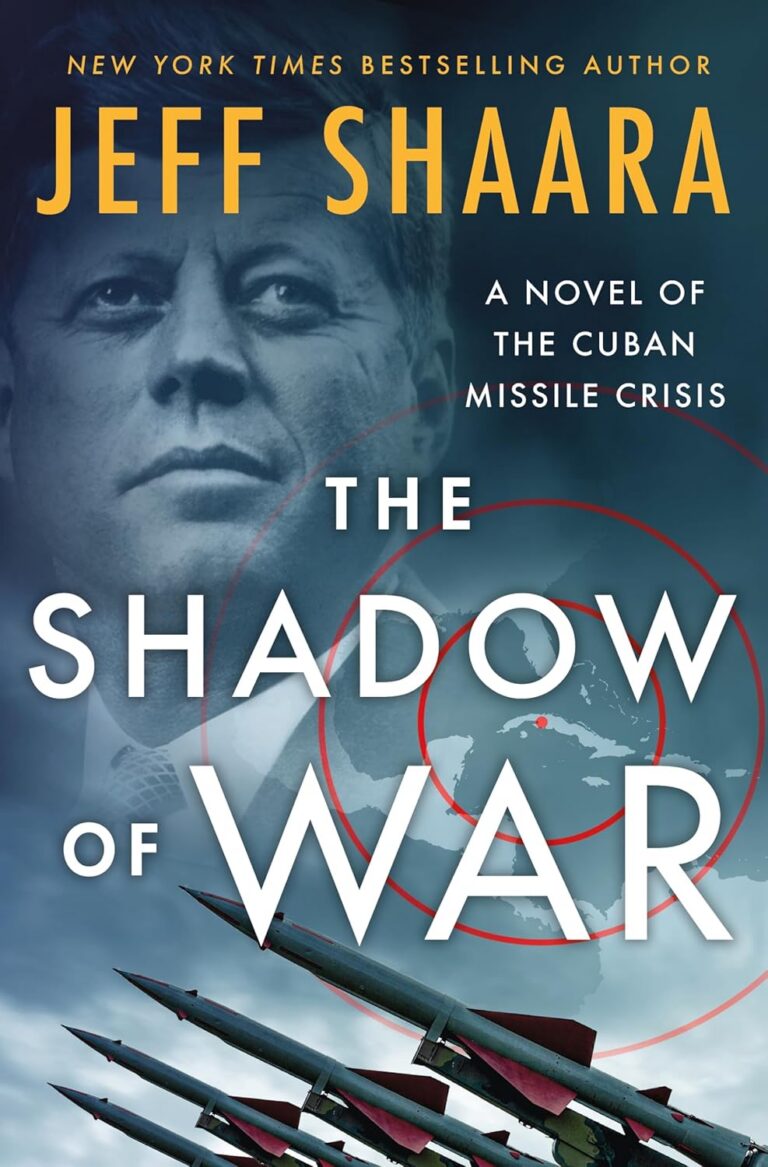
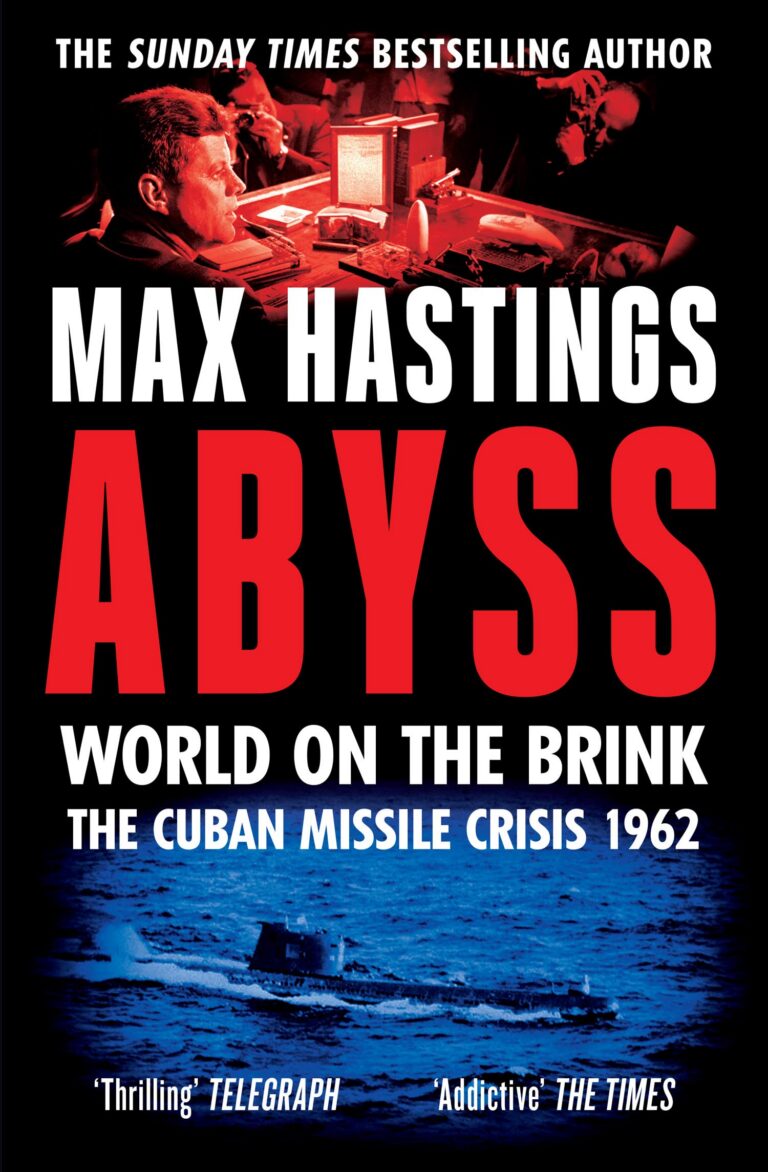
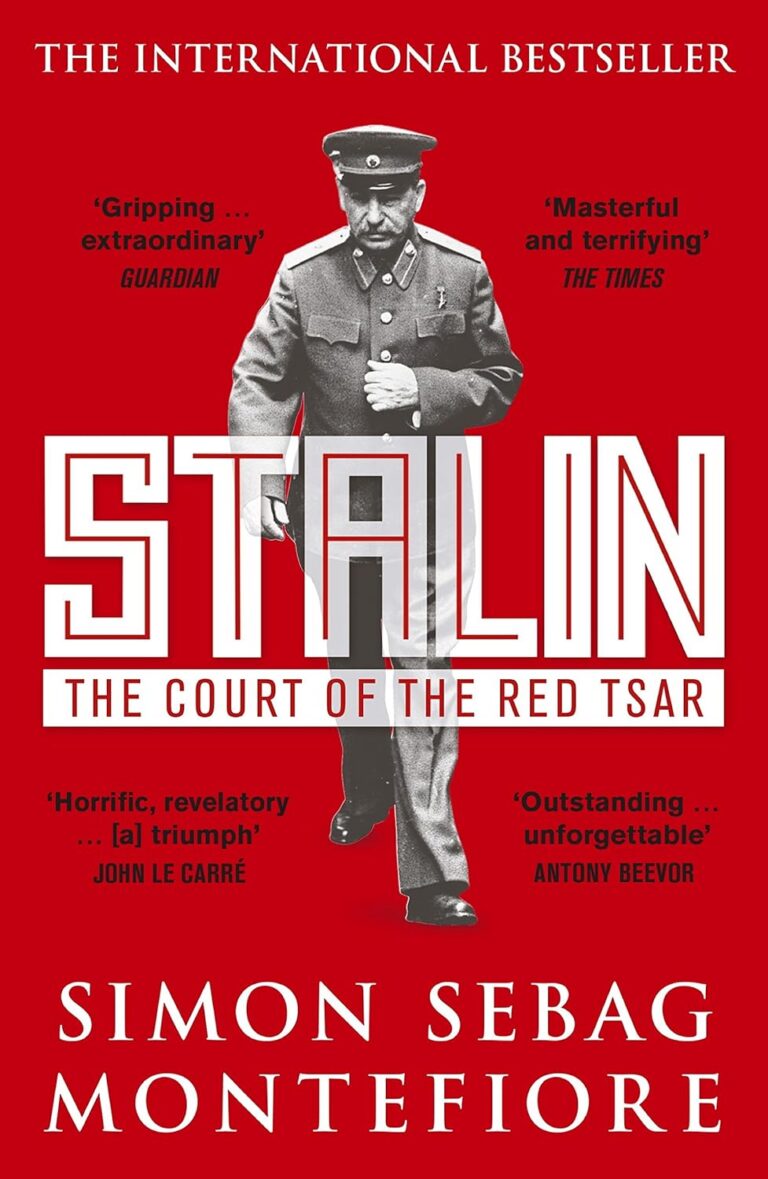
Hourly History’s Nikita Khrushchev follows the Soviet politician from his rise under Stalin to leadership after the dictator’s death. In Simon Sebag Montefiore’s Stalin, Figures including Lavrentiy Beria and Nikita Khrushchev appear as members of the political world whose careers depended on access to Stalin and survival within his court. Further fictional perspectives on Nikita Khrushchev can be found in Tom Rob Smith’s The Secret Speech and Jeff Shaara’s The Shadow of War. For broader historical treatment of Nikita Khrushchev, see Sir Max Hastings’ Abyss, Jung Chang’s Mao, and Hourly History’s Soviet Union.