Books



As an Amazon Associate I earn from qualifying purchases. Affiliate disclosure.
Period
1945–1970 CE
Japan’s surrender in August 1945 was followed by Allied occupation under predominantly American direction. Demilitarisation, war-crimes trials, land reform, a new constitution and changes to education and labour institutions reshaped public life. Defeat, bombing damage, food shortages and the return of soldiers and civilians from the former empire affected nearly every household.
The occupation formally ended in 1952, but American bases and the security relationship remained central as Japan entered the Cold War. Industrial recovery accelerated into rapid economic growth, while debates over responsibility for war, Western influence, family authority and new opportunities for women and young people continued.
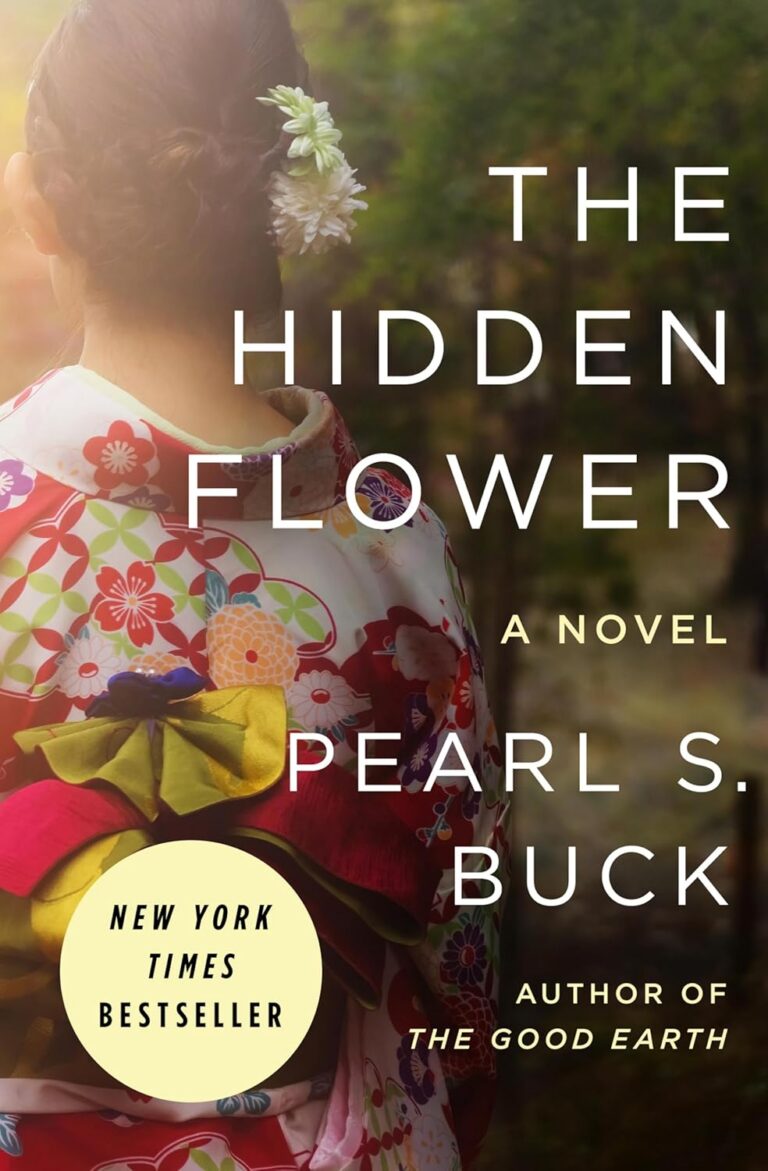
The Hidden Flower follows a Japanese-American marriage shaped by occupation and racial law, while A Bridge for Passing records Pearl S. Buck’s experience making a film in Japan during the 1960s.
Books
Non-Fiction
Histories, biographies and reference works are listed separately from the historical novels above.