Yukio Mishima was the pen name of Kimitake Hiraoka, a Japanese novelist, playwright, essayist and actor who became one of the country’s most internationally recognised postwar writers. Born in 1925, he produced twenty-three novels, more than forty plays and numerous short stories and essays before his death in 1970. His highly stylised fiction repeatedly explores beauty, death, sexuality, honour, physical discipline and the conflict between traditional Japanese values and modern society. Among his best-known works are Confessions of a Mask, Forbidden Colors, The Sound of Waves, The Temple of the Golden Pavilion and The Sailor Who Fell from Grace with the Sea.
Mishima’s clearest historical fiction is found in his four-volume Sea of Fertility cycle, which follows Japan from 1912 to 1975 through the experiences of Shigekuni Honda and a succession of young people whom he believes to be reincarnations of his dead friend. Spring Snow reconstructs aristocratic society at the beginning of the Taishō period; Runaway Horses is set amid the political extremism and attempted military coups of the 1930s; and The Temple of Dawn moves through wartime Southeast Asia and postwar Japan. The Decay of the Angel completes the sequence in the early 1970s and was contemporary or slightly futuristic when written, so it is less strictly historical. The Temple of the Golden Pavilion, although based closely on the real burning of Kyoto’s Kinkaku-ji by a Buddhist acolyte in 1950, was published only six years later and is better classified as a near-contemporary psychological novel than conventional historical fiction.



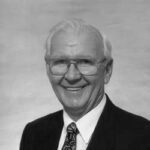 Gilbert Morris
104 books
Gilbert Morris
104 books
 David Field
46 books
David Field
46 books
 Elizabeth Chadwick
26 books
Elizabeth Chadwick
26 books
 Colin Falconer
22 books
Colin Falconer
22 books
 Gillian Bradshaw
20 books
Gillian Bradshaw
20 books