Mohammad Reza Pahlavi was shah of Iran from 1941 until the revolution of 1979. After the 1953 coup that removed Prime Minister Mohammad Mossadegh, his rule became increasingly dependent on the security service, royal patronage and American support.
The White Revolution promoted land reform, education and industrial growth but also intensified inequality, displacement and political opposition. Mass protests forced the shah into exile, and Ayatollah Khomeini established an Islamic republic. Mohammad Reza Pahlavi was born in Tehran and died in Cairo.
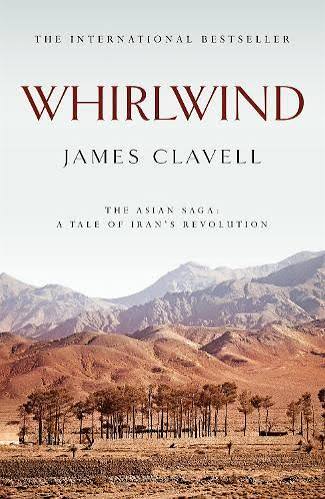
James Clavell’s Whirlwind is set in the immediate aftermath of Mohammad Reza Pahlavi’s loss of power in 1979. The Shah’s departure and the collapse of the monarchy are not distant background: they create the institutional vacuum, revolutionary committees, divided loyalties and anti-foreign hostility through which the novel’s helicopter crews and Iranian families must navigate.