Ruhollah Khomeini was a Shia cleric who became the leading opponent of Mohammad Reza Pahlavi and the founder of the Islamic Republic of Iran. Exiled after denouncing the shah, he developed the doctrine of clerical guardianship and returned during the 1979 revolution.
As supreme leader he oversaw the destruction of rival political movements, the hostage crisis, the Iran–Iraq War and severe legal and social repression. He died in 1989. Ruhollah Khomeini was born in Khomein and died in Tehran.
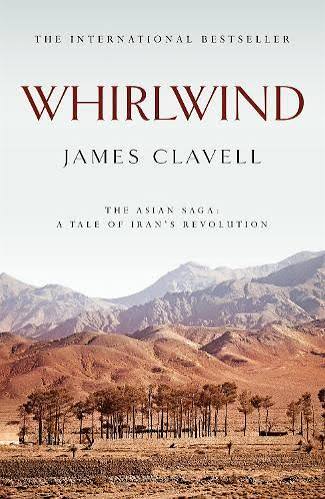
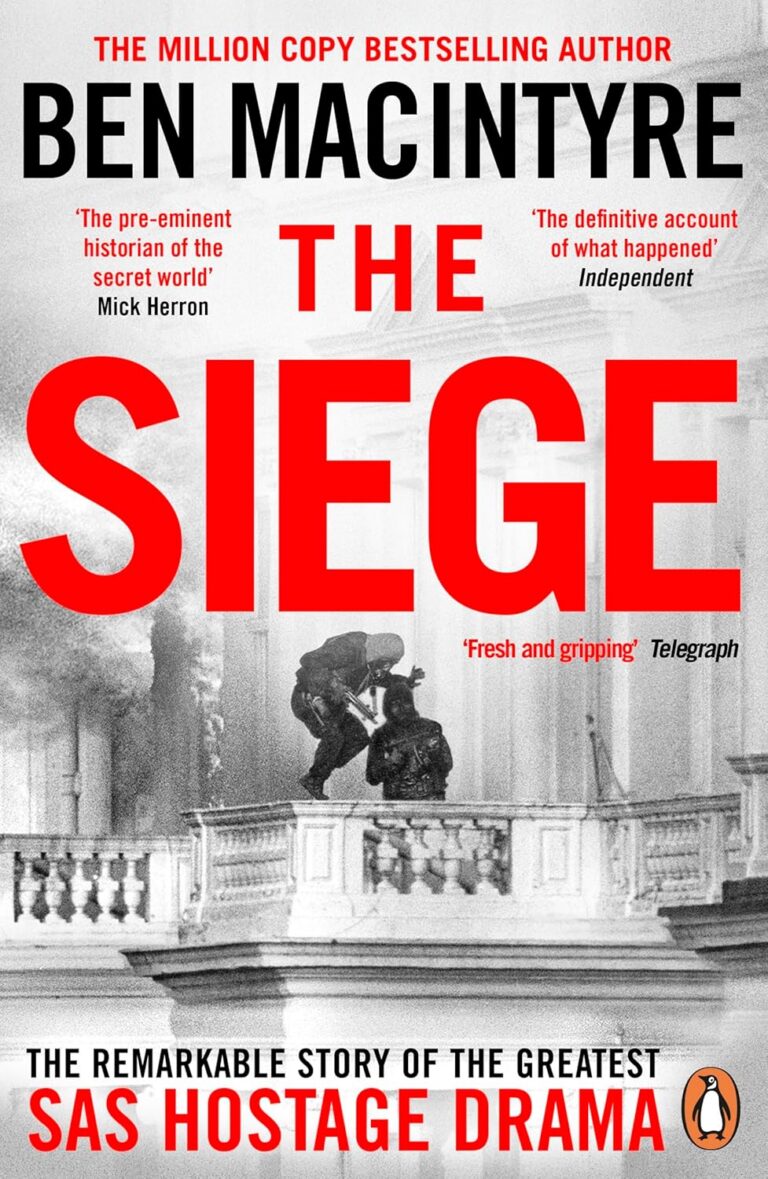
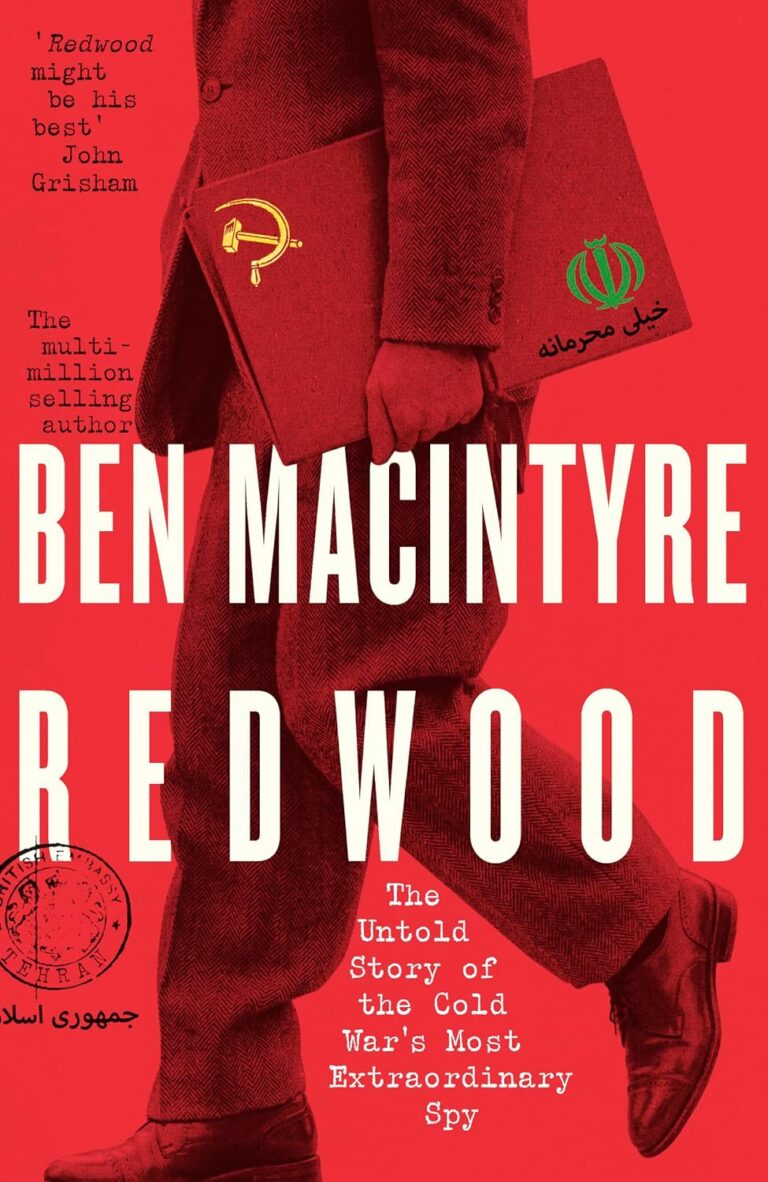
James Clavell’s Whirlwind is set during the collapse of the Iranian monarchy in February 1979, when the revolutionary movement led by Ruhollah Khomeini destroys the legal and political framework on which Struan’s foreign helicopter crews depend. Khomeini is less a private character than the source of the new revolutionary authority reshaping every permit, alliance and escape route. Ben Macintyre’s Redwood moves to 1981, when the Islamic Republic remains vulnerable and Soviet planners consider whether post-revolutionary Iran can be drawn into Moscow’s sphere; Khomeini’s regime is the strategic object around which the intelligence crisis turns. The Siege examines the 1980 Iranian Embassy hostage crisis in London, placing the gunmen’s separatist demands and Britain’s response within the volatile international aftermath of Khomeini’s revolution.