Dwight D. Eisenhower was an American Army officer who became Supreme Commander of Allied forces in western Europe during the Second World War. Born in Texas in 1890 and raised in Kansas, he graduated from West Point in 1915. His interwar career centred on staff work, planning and command rather than battlefield fame, skills that became crucial after the United States entered the war. He directed Allied operations in North Africa and the Mediterranean before receiving overall command of Operation Overlord and the invasion of Normandy.
Eisenhower’s central wartime task was coalition command: balancing British and American priorities, coordinating land, sea and air forces, and managing strong personalities while directing the campaign into Germany. After the war he served as Army chief of staff, president of Columbia University and first supreme commander of NATO forces in Europe. Elected president in 1952 and again in 1956, he governed during the Cold War, backed the interstate highway system and, in his 1961 farewell address, warned against excessive influence by the developing military-industrial complex.
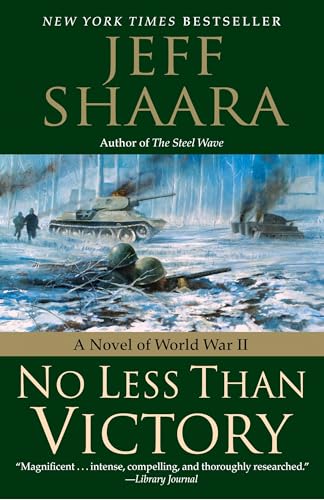
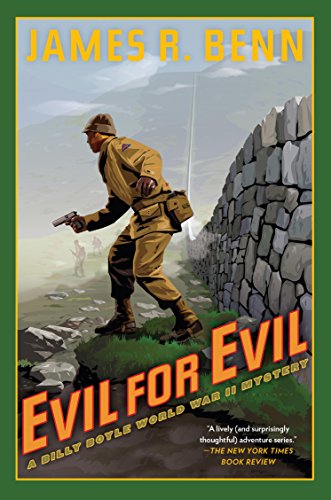
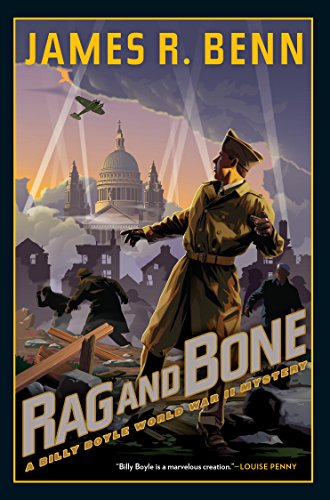
James R. Benn’s Billy Boyle turns Dwight D. Eisenhower into both Billy’s distant relative and his wartime superior, assigning the young detective a spy case inside the Norwegian government in exile. In Evil for Evil, Eisenhower sends Billy after stolen automatic rifles before they can be used in a German-backed uprising in Northern Ireland, and Rag and Bone has him dispatch Billy to investigate the murder of a Soviet security officer in London. Jeff Shaara’s No Less Than Victory places Eisenhower above the final Allied advance into Germany, trying to control coalition command and operational crises as victory approaches. Max Hastings’s Armageddon gives the non-fictional counterpart, combining Eisenhower’s strategic decisions with the experience of soldiers and civilians during the destruction of the Third Reich.