Books


As an Amazon Associate I earn from qualifying purchases. Affiliate disclosure.
Phase
1939–1945 CE
Between 1939 and 1945, civilians in Britain lived under conditions created by total war. Conscription, evacuation, rationing, blackout regulations and civil-defence duties altered ordinary routines, while bombing brought physical danger into homes, streets and workplaces. Hotels, boarding houses and coastal towns could contain servicemen, refugees, officials and strangers whose movements were difficult to verify.
The home front was also an intelligence environment. Fear of invasion, enemy agents, careless conversation and divided loyalties encouraged surveillance and suspicion. Government secrecy coexisted with rumour, and the demand for national unity could make personal eccentricity or foreign connections appear threatening.
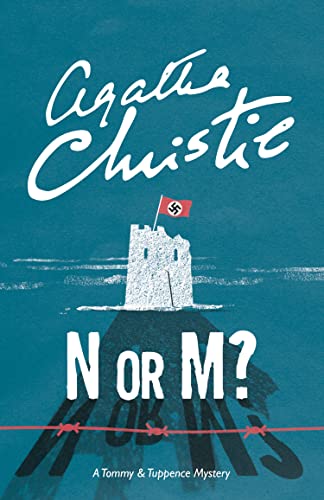
In historical fiction and period crime, the British home front supports stories about espionage, concealed identities, improvised work and communities placed under pressure. Agatha Christie’s N or M? uses a seaside boarding house to turn wartime vigilance into a closed-circle investigation, while other wartime mysteries record how conflict unsettled the conventions of domestic life.
Books
Non-Fiction
Histories, biographies and reference works are listed separately from the historical novels above.