George VI became king of the United Kingdom in 1936 after the abdication of Edward VIII. His reign is closely associated with the Second World War, the survival of the monarchy during national crisis and the transition from empire toward Commonwealth.
George VI also held the offices or ranks of Monarch of the United Kingdom, Emperor of India, king-emperor, and Duke of York. George VI belonged to the House of Windsor and operated within United Kingdom; United Kingdom of Great Britain and Ireland. George VI was born in York Cottage and died in Sandringham House.
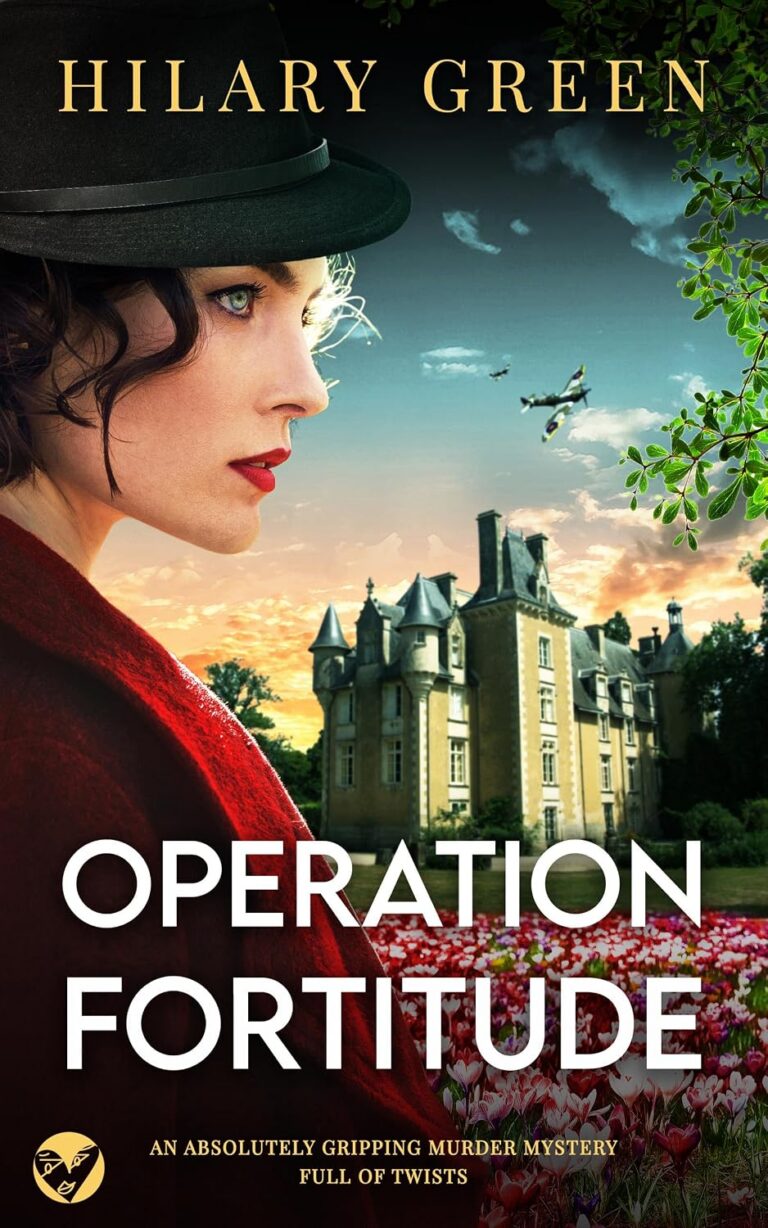
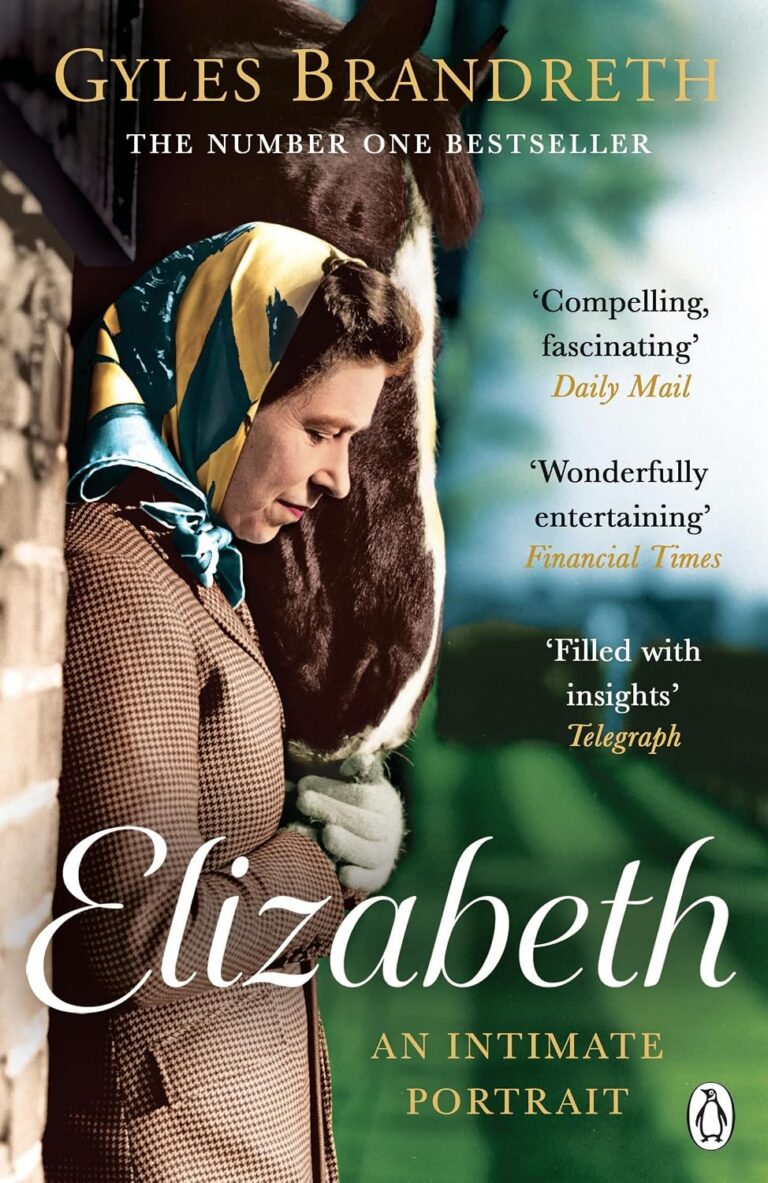
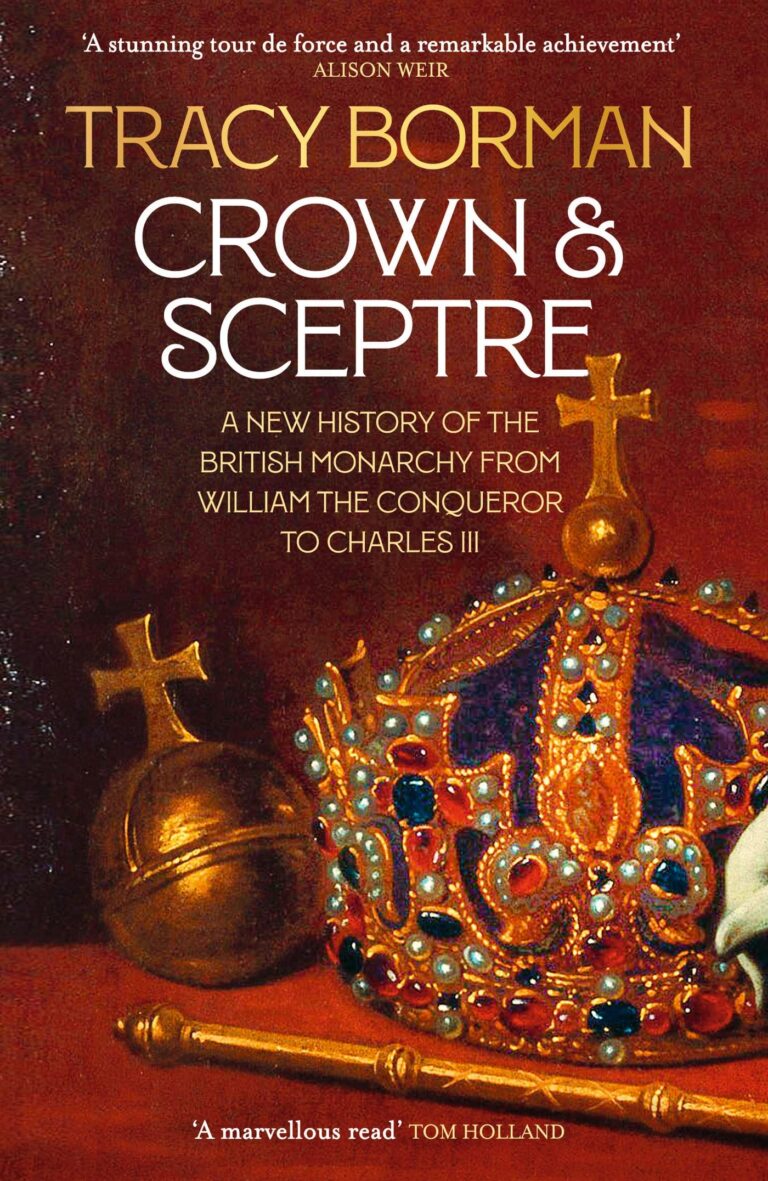
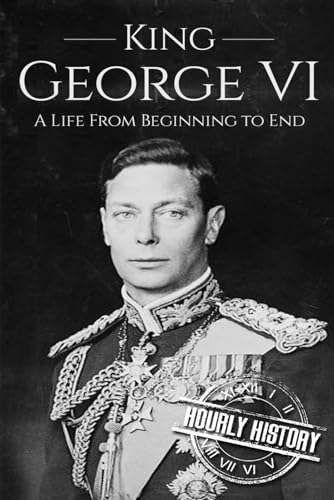
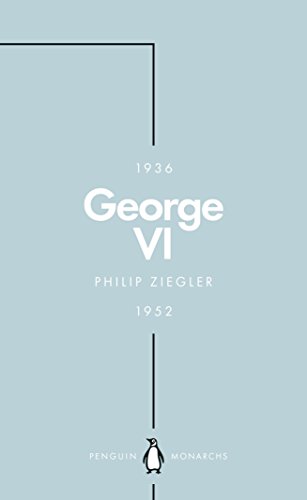
Philip Ziegler’s George VI (Penguin Monarchs) presents the reluctant king whose accession followed Edward VIII’s abdication and whose authority was tested by the Second World War. Hourly History’s King George VI covers the same transition in shorter form, from an unexpectedly inherited crown to wartime leadership and the early post-imperial monarchy. Hilary Green’s Operation Fortitude brings George directly into the security stakes of Allied deception by making a proposed attack on the king part of the plot surrounding D-Day. Gyles Brandreth’s Elizabeth shows him as father and sovereign in the childhood and early public life of the future Elizabeth II. Tracy Borman’s Crown & Sceptre places his reign within the longer evolution of British monarchy, where public duty increasingly matters more than personal political power.