Mikhail Gorbachev led the Soviet Union from 1985 to 1991 and introduced the policies of perestroika and glasnost in an effort to reform a stagnating system. He reduced censorship, negotiated major arms agreements and declined to use large-scale force to preserve communist governments in eastern Europe.
Reform also released political and national pressures that the central government could not control. The failed August 1991 coup accelerated the dissolution of the Soviet Union and ended his presidency. Gorbachev is still more common in memoir, political thriller and alternate history than as the central character of established historical novels.
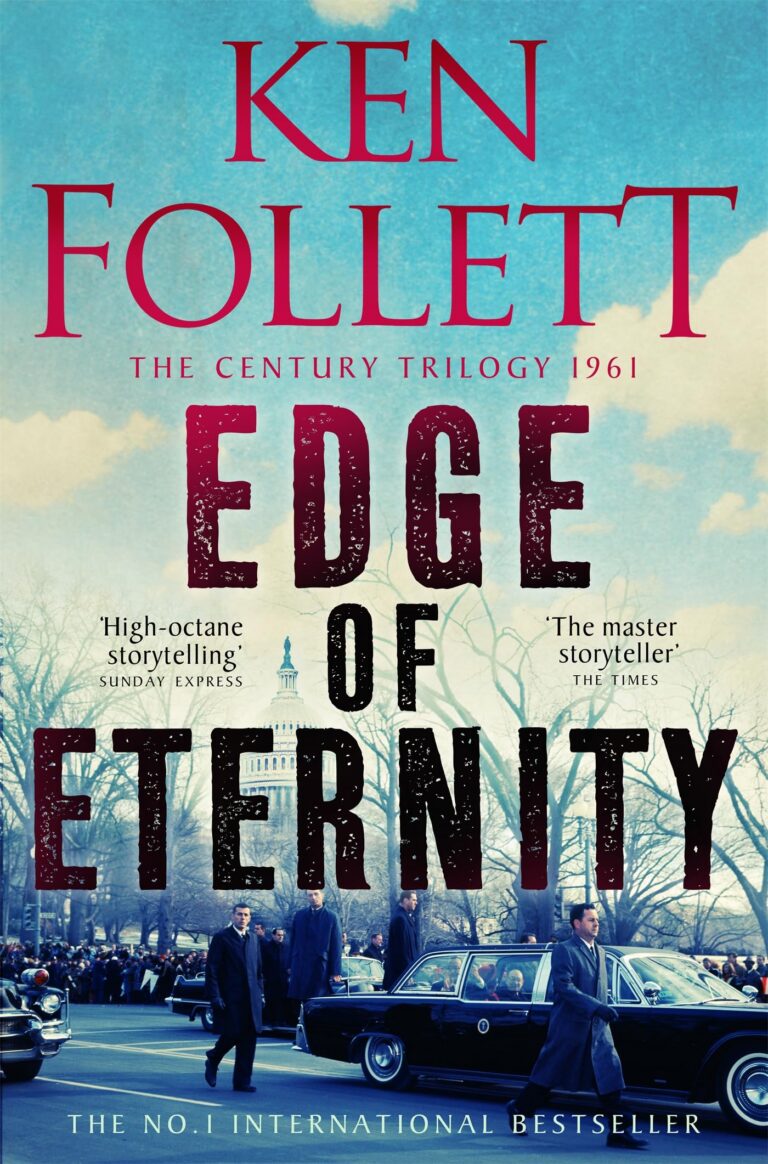
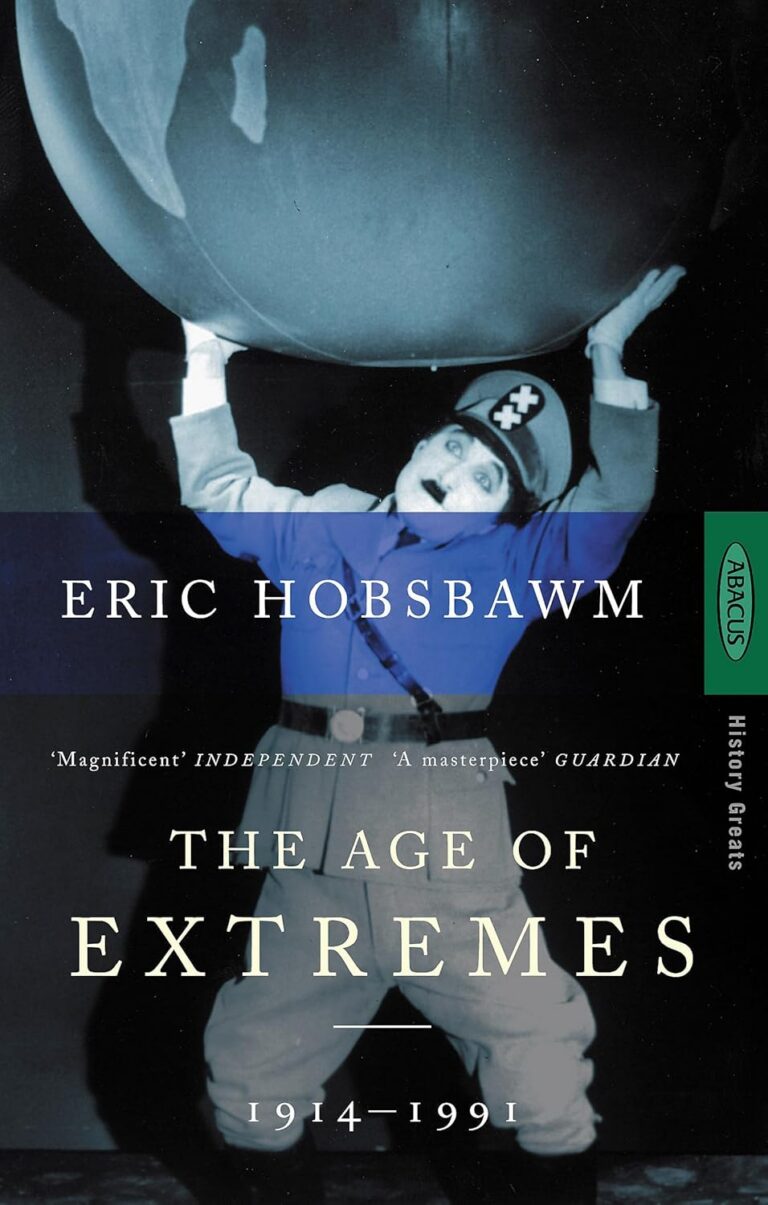
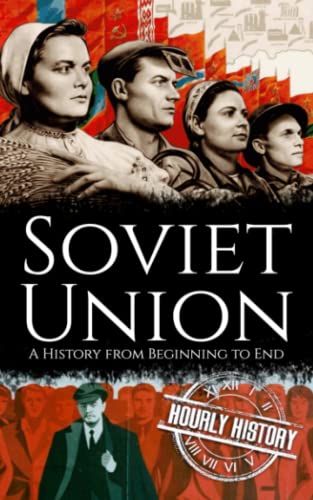
Hourly History’s Soviet Union presents Mikhail Gorbachev as the reforming general secretary whose policies of glasnost and perestroika accelerated changes the late Soviet system could not contain. Ken Follett’s Edge of Eternity brings those reforms into the closing phase of its Cold War family saga, connecting Gorbachev’s leadership to the loosening of Soviet control in Eastern Europe and the end of the division of Germany. Frederick Forsyth’s Fist of God places him among the real international leaders whose decisions frame the coalition response to Iraq’s invasion of Kuwait. Eric Hobsbawm’s The Age of Extremes treats Gorbachev’s reforms and the dissolution of the USSR as part of the wider collapse of the twentieth-century Soviet order.