Charles George Gordon was a Royal Engineers officer whose career carried him through several theatres of nineteenth-century British and Egyptian imperial expansion. After service during the Crimean War, he gained fame in China by commanding the Chinese-government force known as the Ever Victorious Army during the Taiping Rebellion. His combination of personal austerity, religious conviction, bravery and willingness to act independently created the public image of “Chinese Gordon”, even as his work remained embedded in violent imperial and civil conflicts.
Gordon later entered Egyptian service and held senior posts in Sudan, where he campaigned against slave trading while attempting to administer a vast and unstable territory. In 1884 the British government sent him to Khartoum during the Mahdist uprising with an evacuation mission, but he chose to organise the city’s defence. After a prolonged siege, Mahdist forces captured Khartoum on 26 January 1885 and Gordon was killed. His death became a powerful Victorian political and religious symbol, often obscuring the complicated imperial policies and local struggles that had produced the crisis.
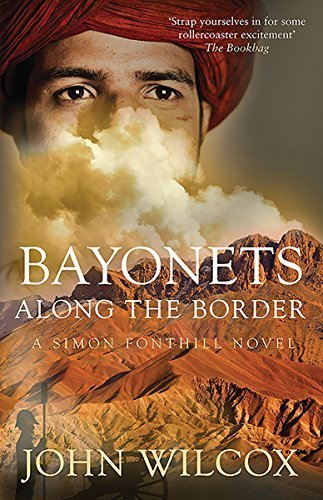
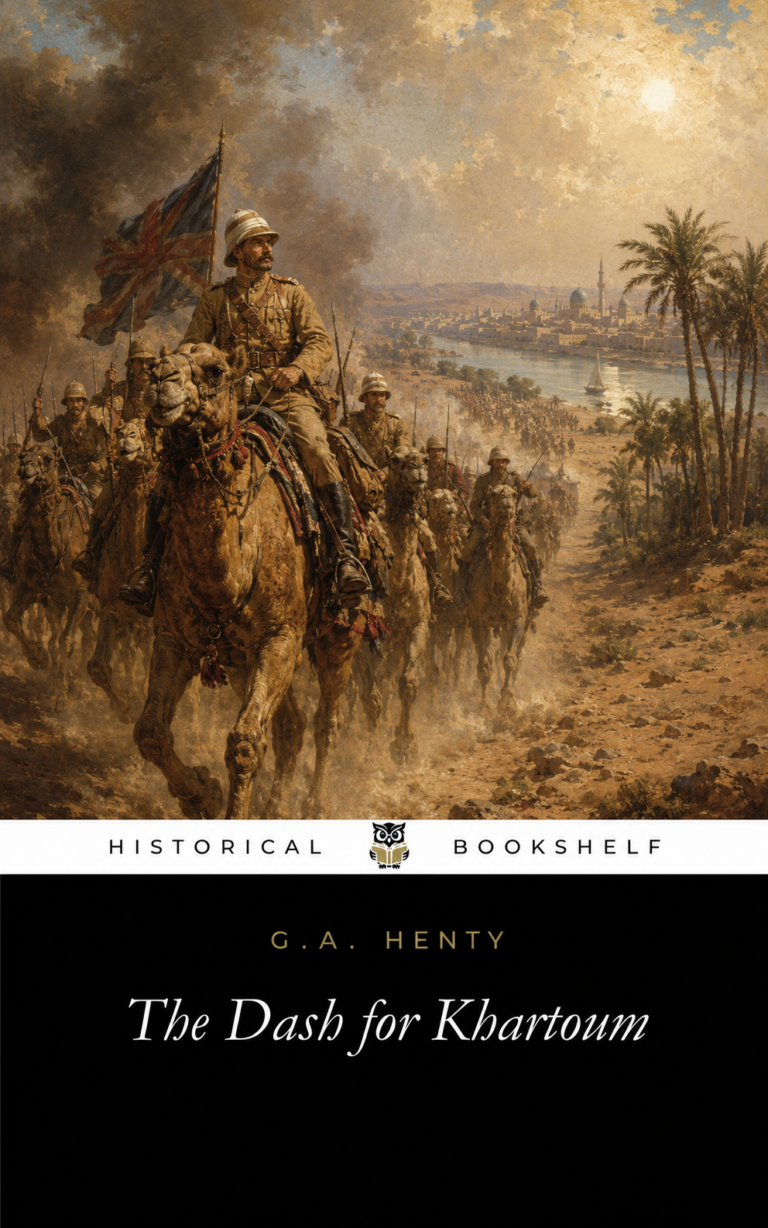
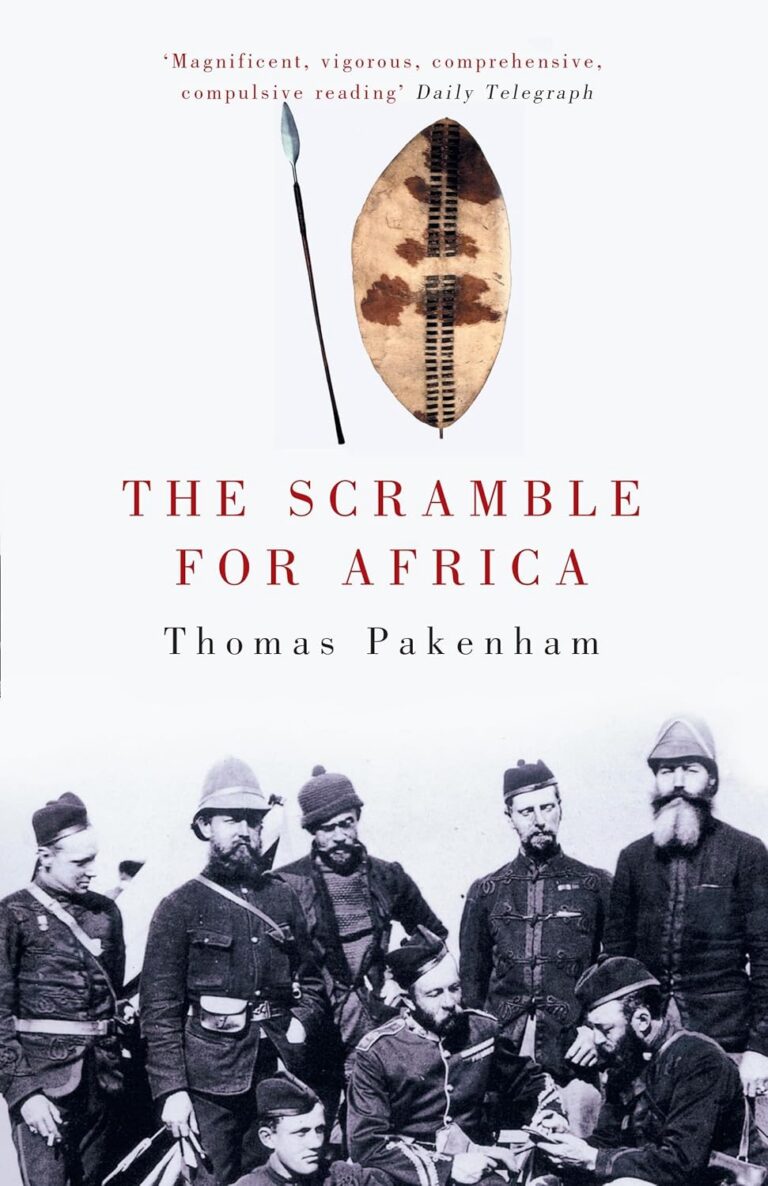
John Wilcox’s Siege of Khartoum sends Simon Fonthill through the Mahdist blockade to reach Charles Gordon as the city’s food and military position deteriorate. Wilbur Smith’s The Triumph of the Sun places Gordon at the centre of Khartoum’s defence, with traders, soldiers and civilians trapped between his garrison and Muhammad Ahmad’s forces. Malcolm Archibald’s Baptism of the Sword makes Gordon’s possible escape route a direct military objective when Jack Windrush is ordered to hold a desert village for the beleaguered general. G. A. Henty’s The Dash for Khartoum follows fictional participants in the Nile Expedition sent to relieve him. Thomas Pakenham’s The Scramble for Africa: The White Man’s Conquest of the Dark Continent from 1876 to 1912 supplies the wider imperial setting, treating the Nile valley and Mahdist state as part of the contest through which European intervention reshaped late nineteenth-century Africa.